
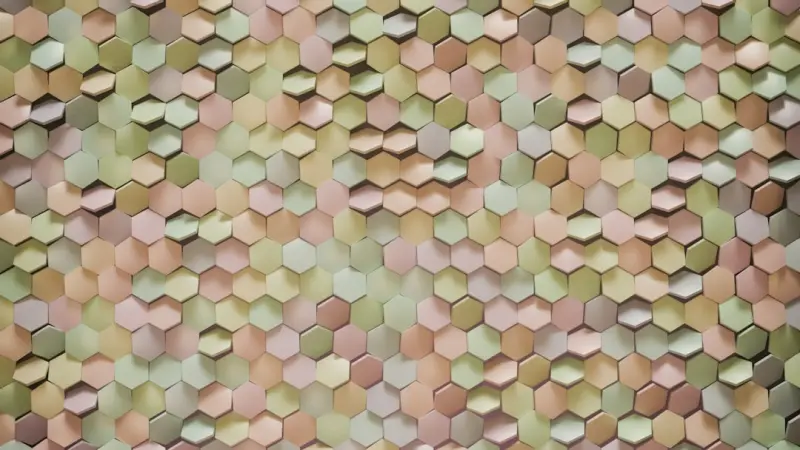
Why Wallpaper Is Making a Comeback in Modern Workspaces
When you walk into a conference room today, the first thing you notice isn’t the sleek furniture or the smart lighting—it’s the wall. That large, vertical canvas is suddenly a strategic asset rather than a mere backdrop. Companies are swapping bland paint for purpose‑driven wallpaper that tells a story, dampens noise, and showcases a commitment to the planet. This shift isn’t about nostalgia; it’s about leveraging material science, design psychology, and sustainability to create environments that work as hard as the people inside them.
From Decoration to Data: The Rise of Smart Wallpaper
Imagine a wall that can change its pattern with a swipe, adjust its acoustic properties on demand, or even display real‑time performance metrics. That’s no longer sci‑fi. smart paint set the stage, and now smart wallpaper is taking the baton. Embedded sensors can monitor indoor air quality, while conductive inks allow for interactive touch zones. The result? A wall that becomes an active participant in the workplace, feeding data to building management systems and giving employees a tactile way to engage with company KPIs.
Acoustic Benefits: Quieting the Open‑Plan Office
Open‑plan layouts were once hailed as the ultimate collaboration catalyst, but the echo‑chamber effect quickly turned them into productivity killers. Textured, porous wallpaper—think wool‑felt or recycled denim fibers—acts as a natural sound absorber. By covering large surface areas, these materials can reduce reverberation times by up to 30%, turning a bustling floor into a focused environment without the need for bulky acoustic panels.
Eco‑Friendly Materials: Turning Green Into Gold
Today’s decision‑makers demand proof that every purchase aligns with ESG goals. Wallpaper manufacturers are answering with bio‑based substrates, low‑VOC inks, and closed‑loop recycling programs. For example, bamboo‑derived paper and plant‑based adhesives create a product that is both renewable and biodegradable. When a company selects such wallpaper, it earns immediate sustainability points and sends a clear message to clients and talent: “We practice what we preach.”
Brand Storytelling on a Grand Scale
Walls can now act as brand ambassadors. Instead of static logos plastered on a lobby, dynamic wallpaper can showcase brand narratives that evolve with market trends. A fintech firm might feature a subtle, kinetic pattern that reflects market volatility, while a healthcare provider could use calming, nature‑inspired motifs that reinforce trust and wellness. This level of storytelling goes far beyond the color and texture narratives of yesterday—it's about aligning visual language with strategic objectives.
Cost‑Effectiveness: A High‑Impact, Low‑Maintenance Solution
Contrary to the myth that wallpaper is a luxury reserved for boutique spaces, modern installation methods have slashed labor costs. Peel‑and‑stick rolls can be applied by in‑house facilities teams in a fraction of the time required for traditional drywall finishes. Moreover, because these wallpapers are designed for durability, they often outlast paint by 5‑10 years, reducing the frequency of refresh cycles and the associated downtime.
Health & Wellness: More Than Just Looks
The psychological impact of a well‑designed wall cannot be overstated. Studies show that biophilic patterns—leaf motifs, subtle gradients of green—can lower stress hormones and improve focus. Pair that with the acoustic dampening qualities mentioned earlier, and you have a holistic approach to employee wellbeing. When staff feel comfortable, they’re more likely to stay, collaborate, and innovate.
Installation Tips for the Modern Facility Manager
- Assess Wall Condition: Ensure surfaces are smooth, dry, and free of mold before applying any adhesive.
- Choose the Right Material: For high‑traffic zones, opt for vinyl‑coated options that resist scuffs and stains.
- Plan for Future Updates: Select modular wallpaper systems that allow sections to be swapped out without full wall removal.
- Integrate Technology Early: If you’re installing smart wallpaper, coordinate with IT to route power and data cables discreetly.
- Leverage Small Wins: Start with a pilot in a meeting room; the results will build momentum for larger rollouts. Learn more about small DIY wins that can accelerate adoption.
Measuring ROI: The Metrics That Matter
Investing in premium wallpaper should be justified with tangible returns. Consider tracking the following:
- Acoustic Improvement: Use decibel meters before and after installation to quantify noise reduction.
- Employee Engagement Scores: Conduct quarterly surveys to gauge perceived comfort and brand alignment.
- Energy Savings: Certain insulating wallpapers can reduce heating/cooling loads by a measurable margin.
- Brand Perception: Monitor client feedback and social media sentiment for mentions of “environmentally conscious” or “innovative workspace.”
Future Trends: What’s Next for Wallpaper?
Looking ahead, expect three major developments to shape the industry:
- AI‑Driven Design: Algorithms will generate custom patterns based on brand data, employee preferences, and even real‑time mood analytics.
- Modular Magnetics: Magnetic backings will let teams rearrange sections like puzzle pieces, supporting agile reconfiguration of spaces.
- Zero‑Waste Production: Full circularity—where end‑of‑life wallpaper is ground down and fed back into the manufacturing loop—will become the standard.
Closing Thought: Walls as Strategic Levers
In an era where every square foot is evaluated for its contribution to the bottom line, wallpaper stands out as a low‑cost, high‑impact lever. It merges aesthetics with function, sustainability with branding, and passive surfaces with active technology. By treating walls as strategic assets, organizations can unlock a new dimension of competitive advantage—one that speaks (literally and figuratively) to the future of work.

Kelly Reynolds is a dynamic freelance writer hailing from the picturesque landscapes of Alberta. A master of the written word, she juggles her passion for storytelling with the exhilarating chaos of being a mother to five spirited children. With an impressive portfolio that spans various genres, Kelly captivates readers through her engaging blog posts and thought-provoking articles.
Related Posts
Why Texture‑Driven Wallpaper Is the Quiet Powerhouse of Modern Offices
A deep dive into how tactile, performance‑focused wallpaper transforms offices by improving sound ... Read More
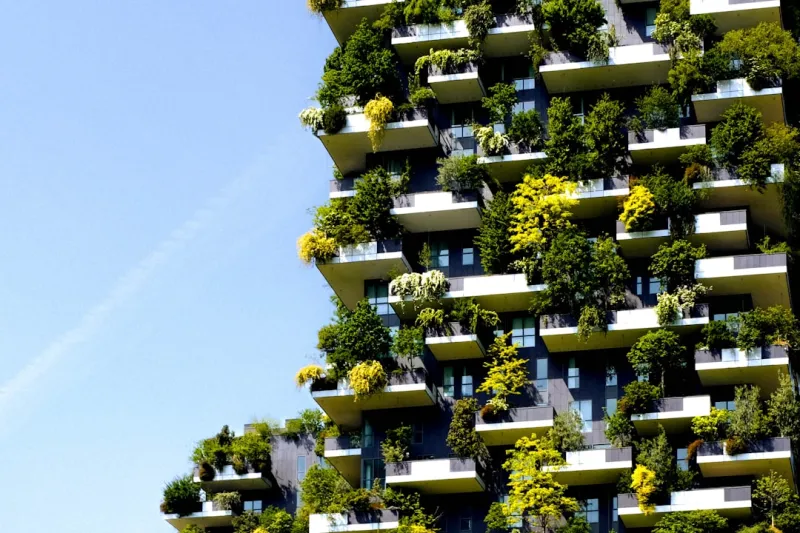
The Evolution of Wallpapering: Sustainable Solutions for a Greener Tomorrow
The wallpaper industry has evolved significantly in recent years, with a growing focus on sustainabi... Read More
The Rise of Eco-Friendly Wallpapering: A Sustainable Approach to Home Decor
Eco-friendly wallpapering is a sustainable approach to home decor that offers numerous benefits, inc... Read More
Top Posts
The Ultimate Renovation Checklist: From Vision to Victory
A comprehensive, printable renovation checklist guides homeowners from setting clear goals and budgeting to securing permits, hiring the right pros, integrating...Read More
Radiant Floor Heating: A Cozy, Sustainable Upgrade for Modern Homes
Explore the hidden benefits of radiant floor heating—from energy savings and design freedom to smart controls and sustainable living—through personal insigh...Read More
Design‑Build Mastery: Building Sustainable Homes with a Unified Vision
Explore the power of design‑build for sustainable homes, from integrated insulation and energy audits to green plastering and smart water management....Read More

The Snow Removal Revolution: A Sustainable Approach to Winter Maintenance
Snow removal can be a real pain, especially when you're trying to live sustainably. Learn how to make a difference with sustainable snow removal practices....Read More
0 Comments
Post Comment
You will need to Login or Register to comment on this post!