
When I first stepped onto the vacant lot behind my parents’ house, the overgrown chaos whispered a story I couldn’t wait to rewrite. It wasn’t about installing the latest smart irrigation controller or plastering a decorative concrete overlay—though those tools have their place. It was about listening to the land, honoring the local ecosystem, and weaving a narrative that changes with the seasons. That is the heart of my new approach to landscaping: a living, breathing design that serves both people and pollinators, captures stormwater, and tells a story year after year.
Re‑imagining the Landscape as a Seasonal Narrative
Most homeowners think of a garden as a static backdrop, a collection of plants chosen for their looks in a single moment. I propose treating the yard as a seasonal narrative. Each planting decision becomes a chapter, each bloom a sentence, and the whole garden a story that evolves from spring’s first crocus to winter’s quiet evergreen silhouettes.
- Spring Prologue: Early‑season bulbs (daffodils, crocuses) and native wildflowers like Columbine announce the awakening of the ecosystem.
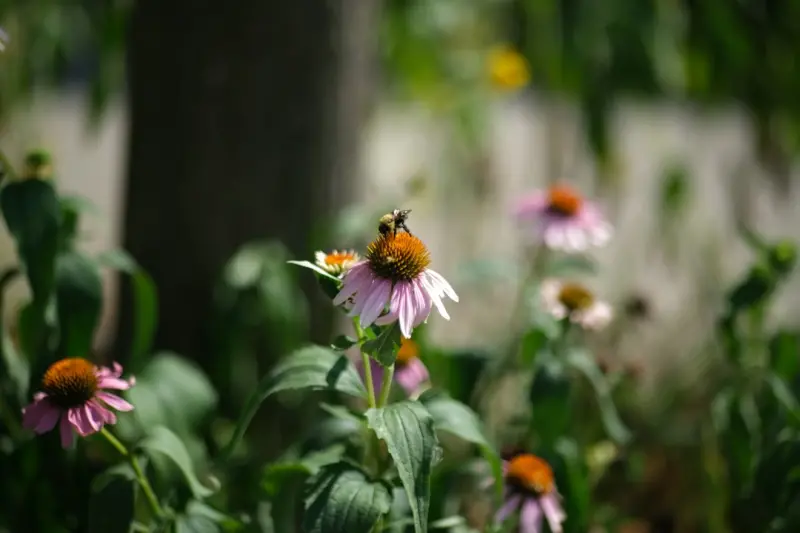
- Summer Conflict: Heat‑tolerant perennials (black-eyed susans, coneflowers) and fruiting vines provide color and food for pollinators while offering shade for outdoor living.
- Autumn Resolution: Grasses and asters turn golden, creating a soft transition that prepares the soil for winter.
- Winter Epilogue: Evergreen shrubs, ornamental grasses, and structural elements (stone benches, weathered timber) maintain visual interest and shelter wildlife.
This narrative mindset encourages you to select plants not just for their isolated beauty, but for how they interact over time, creating continuity and surprise.
Designing for Pollinators: A Community‑First Approach
Bees, butterflies, and hummingbirds are the unsung heroes of any thriving garden. Rather than viewing pollinator planting as a decorative afterthought, I frame it as a community‑first strategy. A pollinator‑rich garden reduces the need for chemical fertilizers, improves fruit set for edible plants, and supports local biodiversity.
Start by mapping the garden into pollinator pathways—continuous ribbons of nectar‑rich plants that guide insects from one resource patch to the next. A typical pathway might look like this:
- Low‑lying groundcovers (creeping thyme, dwarf sage) for early‑season foragers.
- Mid‑height perennials (lavender, bee balm) that bloom sequentially.
- Tall spiky plants (goldenrod, joe‑pye weed) that act as landmarks for larger pollinators.
By staggering bloom times, you ensure a steady food supply from spring through fall. The result is a garden that hums with activity, offering both aesthetic pleasure and ecological service.
Harnessing Stormwater with Rain Gardens and Native Hardscapes
One of the most rewarding ways to make a garden sustainable is to turn runoff into a resource. Turning gutters into data hubs for resilient buildings inspired me to think of water not as a nuisance but as a narrative thread that can be woven into the landscape design. A rain garden, strategically placed at low‑lying points, captures roof runoff, filters it through a soil mix, and releases it slowly back into the ground.
Key steps for an effective rain garden:
- Site Selection: Identify natural depressions or create a shallow basin near the house where water naturally collects.
- Soil Mix: Combine native topsoil with sand and organic matter to ensure quick drainage while retaining enough moisture for plant roots.
- Plant Palette: Choose native wet‑tolerant species such as Joe‑Pye weed, Switchgrass, and Blue Flag Iris. These plants thrive in fluctuating moisture levels and provide additional habitat for insects.
- Overflow Planning: Design a subtle overflow channel that directs excess water to a secondary planting bed or a decorative stone pathway.
The rain garden not only reduces the load on municipal storm drains but also becomes a seasonal showcase—spring wildflowers burst from the soggy soil, summer grasses sway, and autumn foliage adds texture.
Integrating Sustainable Hardscape Materials
Hardscape often gets a bad rap for being cold, industrial, and environmentally unfriendly. However, the rise of Concrete’s Secret Life: Waste‑to‑Strength Solutions shows that we can repurpose industrial by‑products into beautiful, durable patio stones, retaining walls, and stepping paths.
Consider these sustainable options:
- Recycled Aggregate Concrete: Crushed glass, slag, or reclaimed concrete can replace a portion of virgin aggregate, reducing the carbon footprint while offering unique speckled aesthetics.
- Permeable Pavers: Interlocking pavers with voids filled with gravel or sand allow rainwater to infiltrate, complementing the rain garden’s function.
- Reclaimed Wood: Old barn beams, salvaged decking, or reclaimed timber can be used for benches, pergolas, and edging, adding warmth and a sense of history.
When selecting hardscape materials, think of them as characters in your garden’s story—each with its own texture, color, and backstory that enriches the overall narrative.
Low‑Tech Soil Sensing: The Art of Feel and Observation
While high‑tech sensors are gaining popularity, there is still profound value in developing a tactile relationship with the soil. I call this practice “soil sensing”—a low‑tech, mindful habit that anyone can adopt.
Steps to become a soil whisperer:
- Finger Test: Dig a shallow hole (6‑8 inches) and feel the crumbly texture. Loose, dark soil indicates good organic matter; compact, grey soil signals compaction.
- Water Infiltration Test: Fill a small cup with water and pour it onto the soil. If it disappears within a minute, the drainage is healthy. If it pools, you may need to amend with sand or organic matter.
- Temperature Check: Early morning soil feels cool; mid‑day warms. Warm soil encourages root growth, but extreme heat can stress plants.
These simple observations inform watering schedules, mulching decisions, and plant selection, reducing reliance on automated irrigation systems while deepening your connection to the land.
Creating Multi‑Functional Outdoor Rooms
Landscaping isn’t just about plants; it’s also about shaping spaces for human activity. Think of your garden as a series of outdoor rooms—each with a purpose, mood, and flow.
Examples of functional zones:
- The Quiet Reading Nook: A shaded corner with a reclaimed wood bench, a small water feature, and soft lighting. Plant dwarf conifers and ferns for privacy.
- The Active Play Area: A lawn section edged with low‑maintenance grasses, surrounded by sturdy stepping stones for safe movement.
- The Culinary Garden: Raised beds of herbs, vegetables, and edible flowers, positioned near the kitchen for easy harvest.
By defining clear zones, you maximize the garden’s utility while preserving the visual continuity of the overall narrative.
Seasonal Maintenance as Storytelling Ritual
Maintenance can feel like a chore, but when framed as a storytelling ritual, it becomes an act of co‑authoring the garden’s plot.
Annual ritual calendar:
- Early Spring: Prune dead wood, divide perennials, and add compost to recharge the soil.
- Mid‑Summer: Mulch to retain moisture, deadhead spent blooms, and monitor pollinator activity.
- Fall: Plant cover crops, clean up fallen leaves, and protect vulnerable plants with burlap.
- Winter: Inspect hardscape for frost damage, plan next year’s planting map, and enjoy the garden’s quiet.
Each task is a paragraph in the ongoing story, ensuring continuity and growth.
Bringing It All Together: A Sample Landscape Blueprint
Below is a concise blueprint that combines the concepts above into a cohesive design:
- Entrance Path: Permeable pavers leading to a reclaimed‑wood archway, flanked by low‑maintenance lavender and sage.
- Pollinator Pathway: A winding strip of native flowering perennials, designed to guide bees from the front yard to the back rain garden.
- Rain Garden Basin: Sun‑facing, filled with native wet‑tolerant plants, edged with recycled aggregate concrete curbing.
- Outdoor Room Cluster: A quiet reading nook near the rain garden, a culinary garden adjacent to the kitchen, and a play lawn tucked behind the house.
- Hardscape Accents: Reclaimed timber benches, a small stone water feature using reclaimed concrete pavers, and a decorative boulder for visual interest.
This design not only looks good but also functions as a resilient, pollinator‑friendly, and water‑wise ecosystem.
Final Thoughts: Your Landscape as a Living Story
Landscaping is more than a series of design choices; it’s an ongoing conversation between you, your family, and the natural world. By treating the garden as a seasonal narrative, prioritizing pollinators, harnessing stormwater, using sustainable hardscape, and embracing low‑tech soil sensing, you create a space that evolves, educates, and inspires.
Next time you walk through your yard, ask yourself: What chapter am I reading today? What plot twists can I introduce tomorrow? And remember—every plant, stone, and drop of water is a word in the story you’re writing. Make it a bestseller.

Kelly Reynolds is a dynamic freelance writer hailing from the picturesque landscapes of Alberta. A master of the written word, she juggles her passion for storytelling with the exhilarating chaos of being a mother to five spirited children. With an impressive portfolio that spans various genres, Kelly captivates readers through her engaging blog posts and thought-provoking articles.
Related Posts

From Grass to Gold: Monetizing Precision Landscaping in Commercial Spaces
Learn to transform ordinary lawns into revenue generators using soil moisture probes, drone analytic... Read More
Reimagining Commercial Landscapes: Data‑Driven, Biodiverse, and Resilient
A deep dive into turning ordinary corporate grounds into strategic, eco‑friendly assets using sens... Read More
Cultivating a Sensory Garden: A Personal Journey to Outdoor Wellness
A personal guide to building a sensory garden that balances beauty, edible harvests, wildlife, and s... Read More
Top Posts

The Home Inspector’s Blueprint for Sustainable, Smart Living
A seasoned inspector shares actionable insights on weather proofing, smart windows, DIY repairs, and future‑proofing homes for sustainable, smart living....Read More

Elevating Home Inspections: How Drones Are Changing the Game
Explore the impact of drones on home inspections—enhanced safety, detailed visual data, and a new standard for transparent, data‑driven assessments....Read More

Masonry Unlocked: Data‑Driven Craftsmanship for Resilient Cities
Masonry is evolving from a static craft to a data‑driven system. This post reveals how real‑time analytics, AI‑enhanced design, and smart sensors are resh...Read More

The Strategic Benefits of Bathtub Refinishing for Modern Homeowners
Bathtub refinishing offers a cost‑effective, eco‑friendly way to revitalize bathrooms, improve wellbeing, and add resale value—all without the disruption ...Read More
0 Comments
Post Comment
You will need to Login or Register to comment on this post!