
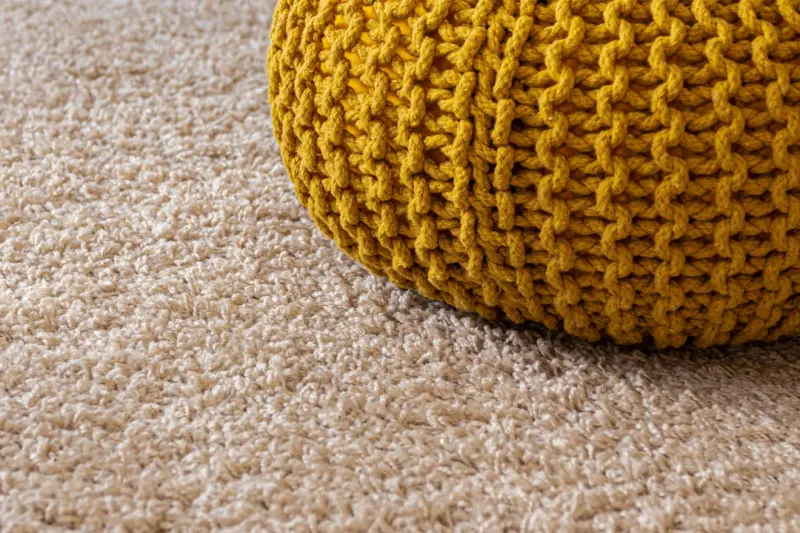
Why Carpet Care Matters Beyond Aesthetics
Most homeowners see carpet cleaning as a chore limited to removing visible stains, but the truth runs deeper than surface grime; the fibers act as a filter for dust, pollen, and microscopic pollutants that constantly circulate in your living space. When those particles settle into the weave, they become a silent source of allergens that can aggravate asthma, trigger sneezes, and even affect sleep quality, especially in homes with children or seniors. Understanding this hidden function reshapes the conversation from “just cleaning” to “protecting indoor air health”.
The Science of Fibers and Soil Retention
Carpet manufacturers blend synthetic and natural fibers, each with a unique ability to trap and release particles, and the chemistry of those fibers determines how long contaminants linger before they are finally expelled. Nylon, for instance, has a tighter weave that can hold finer dust, while wool offers natural antimicrobial properties that slow bacterial growth, yet both benefit from regular agitation and extraction to break the bond between dirt and thread. By matching cleaning techniques to the specific fiber composition, you maximize soil removal and extend the carpet’s functional lifespan.
Eco‑Friendly Deep Cleaning: Steam vs. Dry Extraction
Traditional hot‑water extractions often rely on harsh chemicals that can linger in the carpet pile, whereas modern steam cleaning harnesses the power of high‑temperature vapor to dissolve grime without a chemical cocktail, making it a greener choice for households aiming to reduce their environmental footprint. Dry‑extraction methods, meanwhile, use low‑moisture compounds that attract soil and are then vacuumed away, offering a faster drying time for high‑traffic areas but sometimes sacrificing the depth of soil removal achieved by steam. Choosing the right method depends on your schedule, climate, and commitment to eco‑responsibility, but both approaches can dramatically improve indoor air quality when applied correctly.
Pet Owners’ Playbook: Tackling Odors and Stains
Living with dogs or cats introduces a unique set of challenges—urine, vomit, and fur can embed deep within carpet fibers, creating stubborn odors that standard vacuuming simply masks. Enzyme‑based cleaners break down the organic compounds at the molecular level, neutralizing smells rather than just covering them, while a follow‑up steam cycle lifts residual proteins that attract future accidents. Pairing these targeted treatments with a routine schedule of professional deep cleans keeps pet‑related issues from becoming chronic problems and preserves the carpet’s appearance for years.
Allergy Season Armor: Routine Maintenance Strategies
Spring brings a surge of pollen, and summer introduces more dust mites, making regular carpet upkeep a critical line of defense for allergy sufferers. A weekly vacuum equipped with a HEPA filter captures up to 99.97% of airborne particles, but it’s the monthly deep‑clean that dislodges the entrenched allergens that have settled into the pile over time. Incorporating a simple “spot‑check” routine—addressing spills within minutes—prevents the growth of mold and bacteria that thrive in damp environments, ensuring your carpet remains a barrier rather than a breeding ground.
Energy Savings Hidden in Clean Carpets
Believe it or not, a well‑maintained carpet can contribute to lower heating bills by providing an additional layer of insulation that reduces heat loss across the floor. When dirt accumulates, it disrupts this insulating effect, forcing your HVAC system to work harder to maintain comfortable temperatures. By scheduling seasonal cleanings—especially before the colder months—you preserve the carpet’s thermal properties, resulting in noticeable energy savings that complement other efficiency upgrades like radiant floor heating systems.
Smart Tools for the DIY Enthusiast
Advancements in home‑care technology have given DIYers access to compact, high‑efficiency machines that rival professional equipment, allowing for frequent maintenance without the hefty price tag. Cordless steam cleaners, for example, deliver consistent temperature control and quick heat‑up times, while handheld spot‑cleaners equipped with UV‑light sanitation add an extra layer of germ‑killing power. Pairing these tools with a seasonal checklist—akin to the approach in Seasonal Appliance Tune‑Ups—ensures you stay ahead of wear and tear, extending both carpet and appliance lifespans.
Integrating Carpet Care with Outdoor Living Spaces
Homes that blur the line between indoor comfort and outdoor enjoyment often see increased foot traffic on entryway rugs and foyer carpets, making these zones prime candidates for accelerated soil buildup. By coordinating carpet cleaning schedules with the upkeep of outdoor areas—such as the seasonal refresh highlighted in Creating a Year‑Round Outdoor Living Room—you create a seamless transition that protects both the exterior and interior surfaces from cross‑contamination. This holistic approach not only keeps your carpets pristine but also enhances the overall aesthetic flow of your living environment.
Long‑Term Value: When to Replace vs. Restore
Even the most diligent cleaning regimen has its limits; over time, fibers wear down, colors fade, and the carpet’s structural integrity diminishes, signaling the point where restoration no longer makes financial sense. Monitoring wear patterns—such as thinning in high‑traffic corridors or fraying at the edges—helps you decide whether a deep clean will revive the surface or if it’s time to invest in a replacement that meets modern performance standards. By treating carpet care as an investment rather than an expense, you safeguard the aesthetic and health benefits of your flooring for the long haul.

Craig Brett is a freelancer with a passion for the outdoors. His love for nature inspires his work, bringing authentic and engaging perspectives to projects related to outdoor activities, adventure, and environmental topics.
Related Posts

Smart Carpet Care: Turning Floors into a Strategic Wellness Asset
Smart carpet cleaning isn’t just about spotless floors—it’s a proactive health strategy that e... Read More

Sustainable Carpet Cleaning: A Hidden Business Advantage
Eco‑friendly carpet cleaning can cut expenses, improve indoor air quality, and elevate brand perce... Read More

Beyond the Vacuum: Pro Secrets to Revive Any Carpet
I share the insider methods I’ve honed over years, from green solutions to high‑tech tools, that... Read More
Top Posts

How IoT and AI Are Revolutionizing Snow Removal for the Modern Homeowner
Explore a data‑driven approach to snow removal, blending IoT sensors, AI forecasts, and automated equipment to save time, money, and the planet....Read More
The Veteran’s Guide to Sustainable Mold Removal and Prevention
Discover how to detect, safely remove, and prevent mold using green methods and expert insights, ensuring a healthier, more sustainable home environment....Read More
Transform Your Home Office into a Productivity Power‑Hub
A step‑by‑step guide to turning any space into a high‑performance home office, covering lighting, air quality, ergonomics, sound management, and routine m...Read More

Adaptive Tile Systems: Merging Aesthetics, Data, and Durability
Tiles are evolving from static décor to intelligent platforms. This post reveals how modular installation, embedded sensors, and innovative materials turn floo...Read More
0 Comments
Post Comment
You will need to Login or Register to comment on this post!