
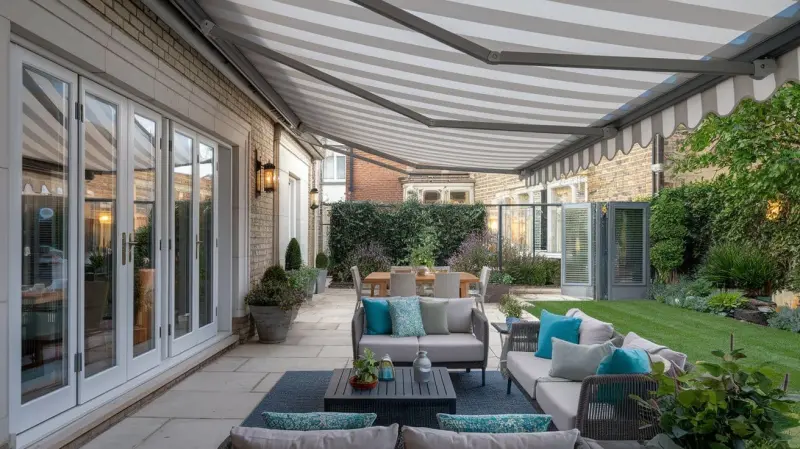
Rethinking the Awning: From Simple Shade to Intelligent Outdoor Skin
When I first added an awning to my patio, I expected just a bit of shade for lazy Sunday brunches. What I discovered was a hidden gateway to year‑round outdoor living, a subtle architectural skin that can adapt, generate energy, and even communicate with the rest of the house. A modern awning isn’t just fabric stretched over a frame; it’s a dynamic system that balances light, heat, and privacy while adding personality to any façade. Over the past months I’ve experimented with motorized fabrics, solar‑integrated panels, and smart sensors, turning a humble shade into a living, breathing part of my home ecosystem.
One of the most exciting breakthroughs is the integration of solar‑woven awning textiles that capture daylight while diffusing harsh glare. These fabrics are woven with ultra‑thin photovoltaic fibers that feed a modest amount of power back into the home’s grid, enough to run low‑energy LED strip lighting or charge a smart hub. The real magic happens when the awning’s built‑in sensor network detects sunlight intensity and automatically adjusts the tilt, maximizing energy capture in the summer and providing optimal shade in the winter. I’ve found that even a 15% reduction in solar gain translates into noticeable cooling savings, especially in homes without central air.
Beyond energy, the new generation of awnings excels at climate‑responsive comfort. Imagine a system that senses humidity, wind speed, and temperature, then subtly retracts or expands to maintain a breezy microclimate beneath. I installed a weather‑proof micro‑controller last spring, and within days the awning learned my preferred indoor‑outdoor temperature range. On humid mornings it opens just enough to allow airflow, while on hot afternoons it fully extends, creating a cool pocket that rivals a traditional pergola. The result is an outdoor lounge that feels just right, no matter the forecast.
Designers are also rethinking awning aesthetics, moving away from the generic beige canvas toward bold, textured statements. My latest project features a double‑layer system: an outer retractable canvas in a deep teal, paired with an inner translucent panel that glows faintly at night. This dual‑layer approach not only adds depth but also allows for nighttime ambience without additional lighting fixtures. When I pull the awning closed after dusk, the inner layer catches the soft glow of solar‑charged LEDs, creating a lantern‑like effect that feels both modern and intimate.
Durability has always been a concern for outdoor fabrics, especially in regions that experience heavy rain or snow. The market now offers advanced coatings that repel water while maintaining breathability, preventing mold and mildew buildup. I opted for a marine‑grade polyester with a nano‑ceramic finish, which has withstood three storm seasons without any sagging or discoloration. Regular maintenance is still essential—an annual inspection of the motor, cables, and fabric seams ensures smooth operation and extends the lifespan well beyond the typical five‑year expectation.
- Motorized retractable arms: Quiet, battery‑backed motors that can be controlled via smartphone or voice assistant.
- Solar‑integrated textiles: Thin photovoltaic layers that generate power while providing shade.
- Weather‑responsive sensors: Automated adjustments based on temperature, humidity, and wind.
- Dual‑layer designs: Combining opaque and translucent fabrics for day‑night versatility.
- Advanced protective coatings: Nano‑ceramic finishes that resist water, UV, and mold.
From a practical standpoint, the financial case for a high‑tech awning is stronger than ever. While a basic manual awning may cost a few hundred dollars, a fully integrated smart system typically ranges from $1,200 to $3,500 depending on size and features. However, the return on investment can be measured in reduced cooling bills, increased property value, and the intangible benefit of expanded living space. In my own home, the energy savings from reduced air‑conditioning usage offset roughly 30% of the initial cost within the first two years, and the added square footage of comfortable outdoor lounge has become a selling point during recent showings.
Installation has also become more homeowner‑friendly, thanks to modular kits that require only basic tools and a few hours of effort. I followed a step‑by‑step guide that included pre‑drilled brackets, a quick‑connect motor, and a simple wiring harness. For those who prefer a professional touch, many local contractors now specialize in smart awning setups, often bundling the service with a home automation audit. I consulted the home comfort assessment I’d done last year, and the contractor recommended a placement that maximized passive solar gain in winter while shielding the patio from summer glare.
Beyond the technical benefits, an awning can serve as a canvas for personal expression. I experimented with interchangeable fabric panels that feature my favorite abstract patterns, swapping them out seasonally to match my garden’s blooming colors. This flexibility turns the awning into a living piece of art that evolves with my tastes, much like a rotating gallery. For homeowners who love to entertain, the ability to change the visual tone instantly—whether you’re hosting a sunrise yoga session or an evening cocktail party—adds a layer of hospitality that static structures simply can’t match.
Looking ahead, I see awnings becoming integral nodes in the broader smart‑home network, communicating with thermostats, lighting, and even security systems. A future update could allow the awning to lower automatically when motion sensors detect a person approaching, offering a welcoming shade that greets guests. Conversely, it could retract when the house’s security alarm is armed, eliminating a potential point of intrusion. As these integrations become standard, the awning will transition from a decorative accessory to a core component of an intelligent, energy‑efficient home.
In summary, the modern awning is a convergence of design, technology, and sustainability that transforms outdoor spaces into adaptable, comfortable extensions of the interior. By embracing solar textiles, weather‑responsive automation, and bold aesthetics, we can redefine what it means to live outdoors—making every season an invitation rather than an obstacle. If you’ve been hesitant to invest in an awning, consider it a smart skin that not only protects but also powers, personalizes, and protects your home in ways you may never have imagined.

Paul Gray is a dynamic blogger based in Brampton, where he shares his life with his amazing wife, Sarah. Known for his engaging writing style and relatable insights, Paul has carved out a niche in the blogging world that resonates with readers from all walks of life. When he's not crafting captivating posts, you can find him savoring a cold beer or indulging in the latest blockbuster movie. With a friendly demeanor and a passion for storytelling, Paul brings a unique perspective to his work, making him not just a blogger, but a voice for those who appreciate the simple joys of life.
Related Posts
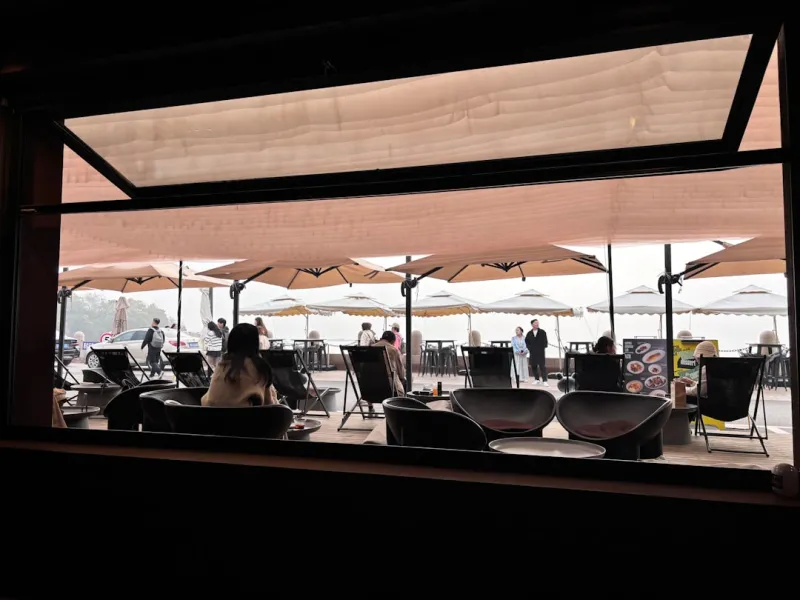
The Secret Power of Awnings: Turning Your Patio into a Sustainable Sanctuary
A personal dive into how awnings transform outdoor comfort, save energy, and integrate with smart ho... Read More

Smart Awnings: How Intelligent Shade is Redefining Outdoor Living
Explore the rise of smart awnings—IoT‑enabled, solar‑powered shade solutions that transform ou... Read More

Breathing New Life into Your Outdoor Space: The Transformative Power of Awnings
Awnings can transform your outdoor space into a haven of comfort and style. Learn about the benefits... Read More
Top Posts

Parametric Design: Data‑Driven Facades Redefining Urban Skylines
Parametric design turns building skins into responsive, data‑infused systems that enhance energy efficiency, occupant comfort, and brand value, ushering in a ...Read More
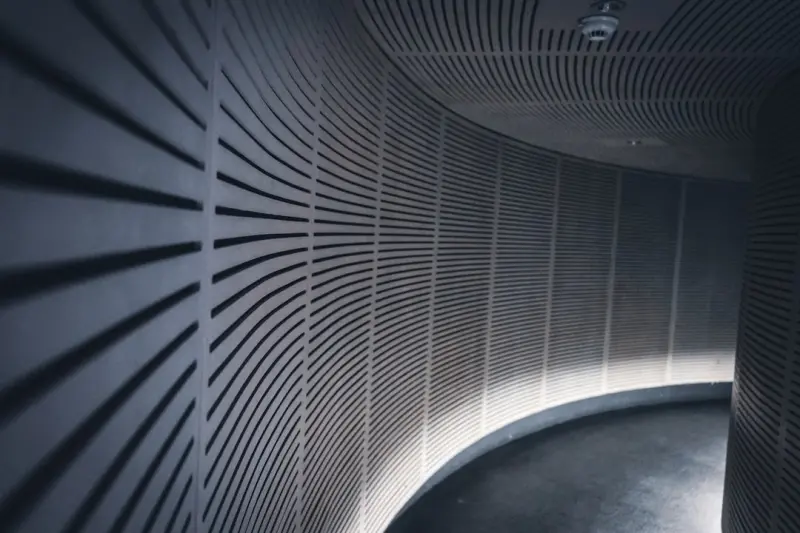
Silent Walls: The Rise of Acoustic Wallpaper in Modern Interiors
Acoustic wallpaper offers a thin, design‑forward solution that absorbs noise while enhancing interior aesthetics, providing measurable productivity gains and ...Read More

Revamping the Garage: A Sustainable, Multi‑Purpose Home Hub
Discover how to turn a traditional garage into a versatile, energy‑efficient hub for work, fitness, hobbies, and renewable power—without relying on gimmicky...Read More
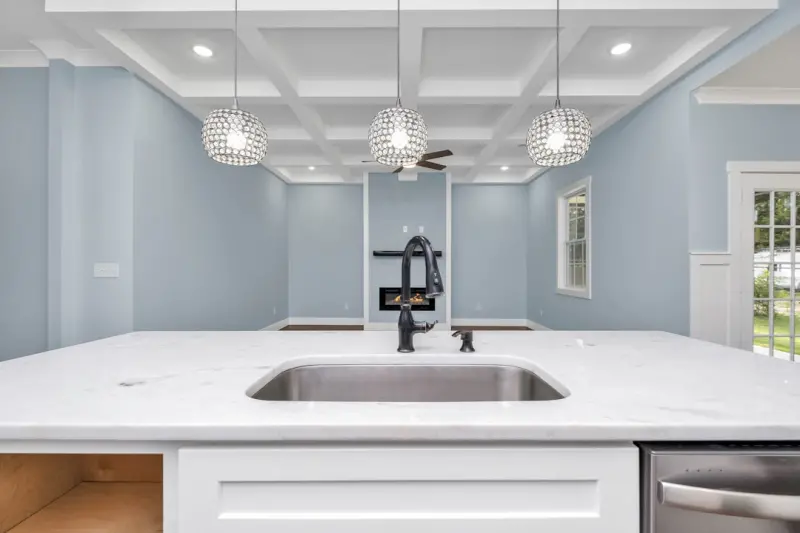
Rethinking Countertops: Smart, Sustainable Surfaces for Modern Spaces
Countertops are evolving from static finishes to intelligent, sustainable surfaces. This post uncovers how embedded sensors, recycled composites, modular system...Read More
0 Comments
Post Comment
You will need to Login or Register to comment on this post!