
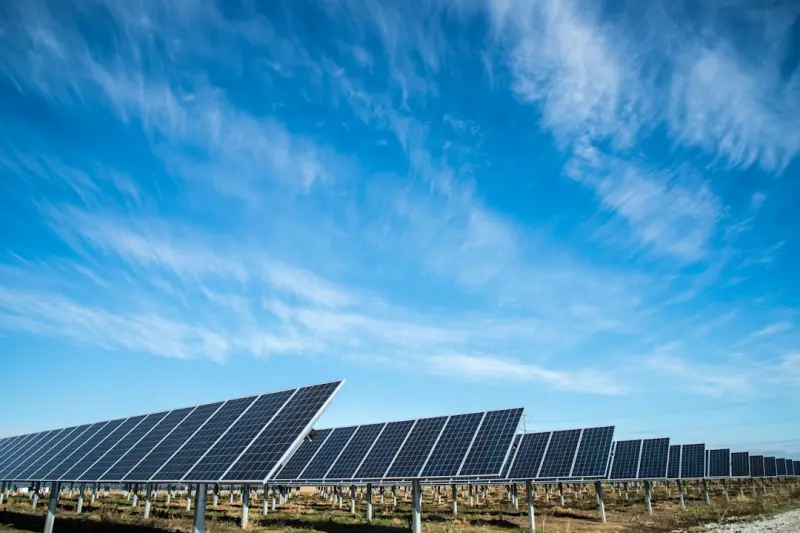
When most people think of solar energy, the image that jumps to mind is a sprawling array of panels perched on a corporate rooftop, feeding the grid in a tidy, predictable rhythm. That picture is accurate, but it’s only the tip of a far more intricate iceberg. In the last few years, solar power has begun to infiltrate the very edges of the enterprise—data‑center micro‑pods, autonomous construction sites, and even the sensor‑laden surfaces that make up tomorrow’s smart cities. This quiet revolution is reshaping how businesses think about resilience, latency, and sustainability, and it’s happening in ways that most strategy decks still overlook.
The Edge Is Getting Sunny
Edge computing was born out of the need to process data where it is generated, reducing latency and bandwidth costs. Historically, the limiting factor has been power: remote edge nodes, especially those in harsh or off‑grid environments, rely on diesel generators or expensive battery farms. Solar energy offers a clean, low‑maintenance alternative that aligns perfectly with the edge’s core principle—local autonomy.
Imagine a logistics hub on the outskirts of a major city. Instead of a massive diesel‑backed backup, a modest solar canopy supplies just enough electricity to keep the on‑site AI‑driven sorting algorithms humming. When a sudden storm knocks out the main grid, the site continues to operate, leveraging a combination of solar panels, high‑efficiency lithium‑iron‑phosphate batteries, and a smart energy‑management platform that continuously inspects energy flows to prioritize mission‑critical workloads.
The benefit isn’t merely operational continuity; it’s also a competitive differentiator. Edge nodes that stay online during grid outages can guarantee Service Level Agreements (SLAs) that competitors can’t match, turning solar from a sustainability checkbox into a strategic moat.
Solar‑Powered IoT Meshes: From Sensors to Decision Makers
IoT deployments have exploded across manufacturing, agriculture, and urban infrastructure. Each sensor node typically draws a few milliwatts, but when you multiply that by tens of thousands, the cumulative power demand becomes significant. Traditional battery replacement cycles are costly and environmentally unfriendly.
Enter solar‑powered sensor meshes. By integrating tiny, high‑efficiency photovoltaic cells directly into the sensor housing, each node becomes a self‑sustaining data point. The real magic happens when these nodes are combined with AI‑driven drone inspections that map energy harvest performance across a sprawling site. The drones feed real‑time analytics back to a central dashboard, which then dynamically adjusts power budgets, ensuring no node ever starves while also avoiding over‑provisioning.
This feedback loop creates a resilient, low‑maintenance network that can scale indefinitely. For enterprises looking to embed intelligence into their physical assets, solar‑augmented IoT eliminates one of the most stubborn pain points—power logistics.
Micro‑Grids as a Business Continuity Engine
Micro‑grids have moved from pilot projects to commercial reality, especially in sectors where downtime translates directly to lost revenue. What sets a solar‑centric micro‑grid apart is its ability to blend generation, storage, and load management into a single, automated ecosystem.
Consider a data center that runs latency‑sensitive workloads for a financial services firm. By installing a solar field on its property and pairing it with an intelligent battery system, the data center can create a “grid‑independent” operating mode. When market‑wide electricity prices spike, the micro‑grid automatically shifts to solar‑first dispatch, dramatically reducing operational expenditures while also providing a hedge against market volatility.
Moreover, the micro‑grid can act as a revenue source. Excess solar generation can be sold back to the utility under net‑metering agreements or even offered to neighboring facilities through a localized energy‑as‑a‑service (EaaS) model. The result is a virtuous cycle where sustainability fuels profitability.
Solar Integration with Sensor‑Embedded Surfaces
Smart cities are sprouting sensor‑embedded sidewalks, parking lots, and building facades that monitor everything from foot traffic to structural health. These surfaces consume power, and powering them with the grid alone can create bottlenecks and maintenance headaches.
By embedding photovoltaic materials directly into these surfaces—think solar‑glass tiles or thin‑film cells woven into pavement—cities can harvest the very sunlight that bathes the streets. The collected energy can then power the sensors themselves or feed into a localized storage system that smooths out intermittent generation.
In practice, a downtown district might deploy sensor‑embedded surfaces that monitor air quality, noise levels, and pedestrian flow. The solar‑infused pavement supplies the energy, eliminating the need for buried power lines and reducing maintenance costs. This synergy of data and daylight creates a self‑sustaining information layer that city planners can leverage for real‑time decision making.
Designing for Solar: Architectural Considerations That Pay Off
Solar isn’t an afterthought you bolt onto an existing structure; it’s a design language that, when embraced early, unlocks hidden efficiencies. Tilt angles, shading analysis, and façade orientation become as critical as HVAC sizing in the early stages of a project.
One overlooked tactic is the use of bifacial panels that capture reflected sunlight from the ground or surrounding structures. When paired with light‑colored or reflective roofing—materials often chosen for thermal comfort—these panels can double their energy yield without increasing the panel footprint.
Another strategy is integrating solar canopies over parking lots. Not only do they generate power, but they also provide shade, reducing the heat island effect and extending the lifespan of vehicle tires. The generated electricity can be funneled directly to EV chargers, creating a seamless, low‑carbon loop that benefits both the business and its customers.
Operationalizing Solar: From Data to Action
Deploying solar hardware is only half the battle. The real competitive advantage lies in turning generation data into actionable insights. Continuous monitoring platforms—often powered by the same solar installations—track panel performance, degradation rates, and weather‑related fluctuations.
When a solar array underperforms, the system can automatically trigger a predictive maintenance workflow. Drones equipped with infrared cameras scan the panels, identifying hotspots or soiling patterns before they evolve into costly failures. This approach mirrors the principles of AI‑driven drone inspections, but with a specific focus on solar health.
Beyond maintenance, analytics can forecast generation profiles weeks in advance, allowing enterprises to align production schedules, battery dispatch, and even market‑based trading strategies with solar availability. The result is a dynamic, data‑driven energy strategy that extracts maximum value from every photon.
Economic Incentives and Policy Levers
While technology drives the feasibility of solar at the edge, policy often dictates the speed of adoption. Tax credits, accelerated depreciation, and feed‑in tariffs can dramatically shift the ROI curve. Companies that embed policy monitoring into their strategic planning can capture incentives before they expire, effectively turning regulatory insight into a financial asset.
In jurisdictions with strong net‑metering policies, the surplus energy generated by a solar‑centric micro‑grid can be sold back to the grid at retail rates, creating an additional revenue stream. In markets where demand‑response programs exist, enterprises can earn credits by curtailing load during peak periods, a capability that is inherently easier when you have on‑site solar and storage.
Future Horizons: Solar‑Enabled Distributed AI
Looking ahead, the convergence of solar power and distributed artificial intelligence promises to rewrite the rules of computation. Edge AI chips are becoming ever more power‑efficient, and when paired with locally generated solar energy, they can operate autonomously for months without external power.
This opens up possibilities like wildlife monitoring stations that process video feeds on‑site, identifying poachers in real time without ever needing a fuel delivery. It also enables autonomous drones that recharge on solar‑laden pads, extending their operational endurance for critical infrastructure inspections.
In each case, the combination of solar and AI creates a self‑sustaining loop: solar powers the AI, AI optimizes solar performance, and the system together delivers insights that were previously unattainable.
Strategic Takeaways
- Local autonomy trumps grid reliance. Deploy solar at the edge to guarantee continuity and meet stringent latency requirements.
- Integrate power and data. Use solar‑powered IoT meshes and sensor‑embedded surfaces to create resilient, low‑maintenance networks.
- Leverage micro‑grids for both resilience and revenue. Treat solar as a dual‑purpose asset—operational buffer and income source.
- Design with solar in mind. Early architectural decisions amplify energy yield and reduce lifecycle costs.
- Turn data into action. Continuous monitoring and AI‑driven maintenance unlock hidden value from every installation.
- Stay policy‑savvy. Proactive engagement with incentives can accelerate ROI and create financial upside.
- Anticipate the AI‑solar symbiosis. Future edge workloads will increasingly rely on locally generated clean power.
Solar energy is no longer a peripheral sustainability add‑on; it’s a core enabler of next‑generation enterprise resilience. By embedding sunlight into the very fabric of edge operations, IoT ecosystems, and smart infrastructure, forward‑thinking organizations can transform a natural resource into a strategic competitive advantage.

Lifan Chen is a freelancer based in Toronto specializing in marketing. With expertise in crafting effective marketing strategies and campaigns, Lifan helps businesses grow their brand presence and reach target audiences. As a Toronto-based freelancer, Lifan combines local market insights with creative marketing skills to deliver tailored solutions for clients.
Related Posts

Harvesting Sunlight at Scale: A Playbook for Energy‑Forward Enterprises
Solar is no longer a niche add‑on; it’s a strategic platform that can reduce costs, boost resili... Read More
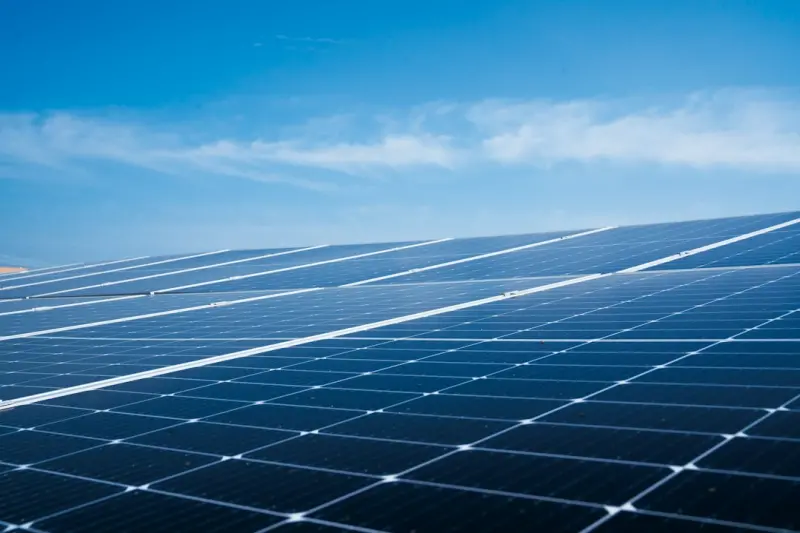
Beyond the Rooftop: How Solar Microgrids Are Redefining Enterprise Resilience
Solar microgrids turn on‑site solar and storage into a strategic asset, offering resilience, cost ... Read More
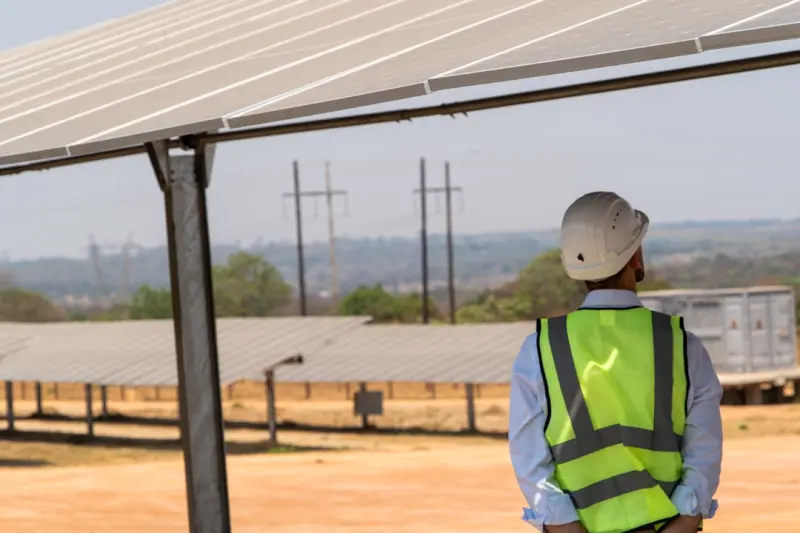
Solar Energy as a Service: Turning Light into a Business Asset
A deep dive into Solar-as-a-Service, showing businesses how to monetize solar power through subscrip... Read More
Top Posts

The Art and Science of Modern Plaster Walls: From Prep to Perfect Finish
Explore practical plastering techniques that blend aesthetics, sound control, and sustainability, guiding you to flawless walls with texture and tone....Read More

Wallpapering as a Strategic Tool for Modern Workspaces
Explore the untapped potential of wallpaper in workspaces—from acoustic benefits and brand storytelling to sustainable, data‑driven designs—offering a fre...Read More

AI Meets Glass: Transforming Windows & Doors into Intelligent Building Assets
Discover how AI-powered sensors and analytics turn ordinary windows and doors into dynamic, energy‑efficient, and secure components of a smart building, deliv...Read More

Intelligent Decks: Merging Tech, Sustainability, and Wellness
A modern deck can be more than a summer hangout—it can be an intelligent, eco‑friendly hub that supports work, wellness, and seasonal comfort. Learn the lat...Read More
0 Comments
Post Comment
You will need to Login or Register to comment on this post!