
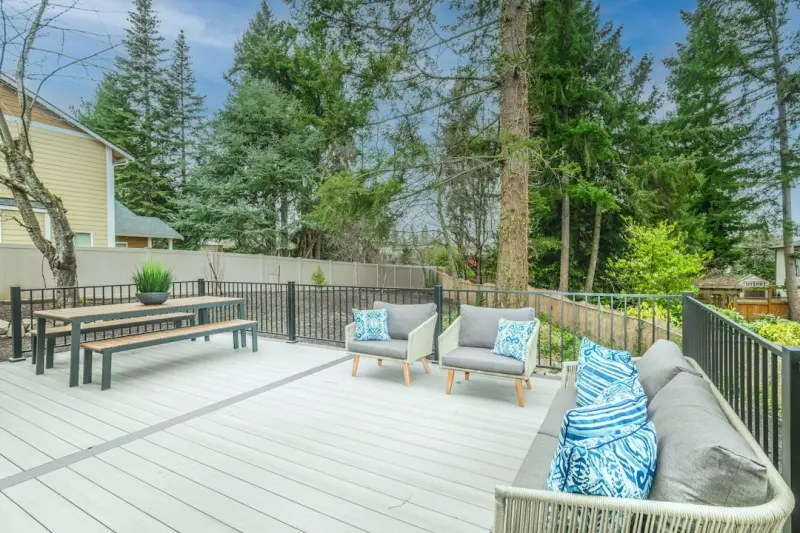
When we think about outdoor living, the deck is often the unsung hero—a simple platform of boards that extends the interior comfort of a home into the open air. Yet, in an era where technology, sustainability, and personalization dominate every design decision, decks are finally stepping out of the shadow of the porch swing and into the spotlight of intelligent, eco‑forward architecture.
Why Decks Need a Digital Upgrade
For decades, the deck has been a static element: built once, painted once, and left to weather the seasons. Homeowners now demand spaces that adapt, generate value, and respond to environmental conditions in real time. The convergence of three trends—smart home integration, circular construction, and climate‑responsive design—creates a fertile ground for “intelligent decks” that do more than just support a lounge chair.
These decks become energy assets, water managers, and living laboratories for sustainable materials. They can track foot traffic, adjust lighting based on dusk, and even harvest solar power for the house. By treating the deck as a dynamic system rather than a static platform, you unlock new revenue streams (like net‑metering credits) and enhance occupant wellbeing.
Solar‑Powered Decking: Harvesting Sunlight
Imagine a deck that not only shades your outdoor dining area but also powers the string lights above it. Integrated photovoltaic (PV) panels, now available in thin‑film and flexible formats, can be embedded directly beneath the decking surface or woven into the railing. Because the deck already faces the sky, it offers an optimal tilt and exposure for solar collection without compromising aesthetics.
Key benefits include:
- Reduced grid reliance: Energy generated can offset lighting, outdoor heaters, or even feed back into the home’s electrical system.
- Seasonal adaptability: With power‑aware smart switches, the deck can prioritize energy use when sunlight is abundant and draw from storage when it’s not.
- Increased resale value: Homes equipped with renewable energy features often command higher market prices.
Pairing solar decks with smart gutter management creates a holistic outdoor energy ecosystem—rainwater is captured, stored, and used for irrigation, while sunlight powers the deck’s electronics.
Modular Deck Systems: Flexibility Meets Function
Traditional decks are built as monolithic structures, making redesigns costly and time‑consuming. Modular decking systems, comprised of interlocking panels, allow homeowners to reconfigure layouts as needs evolve. Want to add a hot tub this summer? Swap out a few panels and integrate a reinforced section. Need a covered workspace for an outdoor office? Install a modular canopy that snaps onto the existing framework.
Beyond convenience, modular decks promote:
- Material reuse: Panels can be disassembled and relocated, reducing waste.
- Scalable design: Expand or contract the deck size without major demolition.
- Customization: Mix and match finishes—composite, reclaimed wood, or even recycled plastic—within the same deck.
When combined with circular construction principles, modular decks become a showcase for waste‑derived materials, turning what would be landfill into high‑performance decking components.
Water Management and the Deck: Learning from Smart Gutter Systems
Outdoor spaces are often the first to suffer from poor drainage, leading to rot, mold, and safety hazards. By integrating water sensors and flow controllers—similar to those used in smart gutter management—decks can actively divert excess water, protect underlying structures, and even channel runoff to rain gardens.
Consider installing:
- Permeable deck boards: These allow water to seep through while supporting weight, reducing surface pooling.
- Embedded moisture sensors: Real‑time alerts on a homeowner’s app trigger drainage pumps before water accumulation becomes a problem.
- Automated diverters: Small valves that route water to storage tanks or landscaped bioswales based on sensor data.
This proactive approach not only prolongs deck lifespan but also contributes to broader site‑wide water stewardship goals.
Circular Materials: Turning Waste into Deck Gold
Traditional decking relies heavily on virgin timber or petro‑based composites, both of which have significant environmental footprints. Circular construction invites us to rethink the source of every board. Recycled plastics, reclaimed lumber, and even industrial by‑products like fly ash can be transformed into robust decking modules.
Benefits include:
- Lower embodied carbon: Using post‑consumer waste reduces the greenhouse gases associated with raw material extraction.
- Durability: Many recycled composites resist rot, insects, and UV degradation better than natural wood.
- Cost predictability: Waste‑derived materials often have more stable pricing, insulating projects from timber market volatility.
When a deck is designed with a cradle‑to‑cradle mindset, the end‑of‑life scenario is simply another feedstock for future projects—closing the loop and turning what was once waste into profit.
Integrating Decks into Microclimates
Every outdoor space sits within a unique microclimate—a blend of sun exposure, wind patterns, and surrounding vegetation. By studying these factors, designers can orient decks to maximize comfort while minimizing energy use. The principles outlined in Microclimate Mastery apply just as well to decks as they do to gardens.
Practical steps include:
- Strategic shading: Position pergolas or louvers on the sun‑intense side to reduce heat gain, while leaving the cooler side open for breezes.
- Windbreaks: Use low, dense plantings or decorative screens to temper gusts, creating a more pleasant seating area.
- Thermal mass: Incorporate stone or concrete pavers beneath the deck surface to absorb daytime heat and release it gently at night.
When the deck works with the site’s microclimate, you reduce reliance on supplemental heating or cooling, leading to lower energy bills and a more enjoyable outdoor experience.
Tech‑Driven Maintenance: Sensors and Predictive Care
One of the biggest frustrations for deck owners is the surprise of rot or structural failure after years of unnoticed wear. Modern sensor technology can shift maintenance from reactive to predictive.
Key innovations:
- Moisture and temperature probes: Embedded within the deck’s core, these devices alert owners when conditions approach thresholds that could lead to rot.
- Load sensors: Detect unusual weight distribution—useful for spotting water accumulation or structural stress before it becomes dangerous.
- AI‑powered analytics: Data from sensors feed into a cloud platform that recommends sealing, cleaning, or even board replacement timelines.
By treating the deck as a connected asset, homeowners can plan maintenance budgets more accurately, extend the deck’s service life, and avoid costly emergency repairs.
Design Tips for the Future‑Ready Deck
Bringing all these concepts together may feel overwhelming, but breaking them into actionable design decisions simplifies the process:
- Start with a sustainability audit: Identify local waste streams that can be repurposed into decking material. Partner with manufacturers who certify recycled content.
- Map the site’s microclimate: Use sun path analysis tools and wind rose diagrams to decide deck orientation, shading devices, and thermal mass placement.
- Choose modular, adaptable components: Opt for interlocking deck panels that can be reconfigured as your lifestyle evolves.
- Integrate renewable energy: Plan for PV panels, LED lighting, and power‑aware smart switches from the outset.
- Install water‑smart infrastructure: Combine permeable decking with moisture sensors and automated drainage controls.
- Embed maintenance sensors: Even basic humidity probes can provide early warnings that protect your investment.
By following these steps, you transform a conventional deck into a living, breathing part of your home’s sustainability ecosystem—an outdoor room that earns back energy, conserves water, and adapts to your changing needs.
Conclusion: Decks as Platforms for Innovation
The deck is no longer a mere afterthought; it’s a platform for innovation that bridges indoor comfort with outdoor freedom. From solar‑powered lighting to modular layouts, from circular material sourcing to microclimate‑responsive design, the possibilities are as expansive as the horizon you’re looking over. Embrace these technologies, and your deck will not just extend your living space—it will extend the very definition of a modern, responsible home.

Paul Gray is a dynamic blogger based in Brampton, where he shares his life with his amazing wife, Sarah. Known for his engaging writing style and relatable insights, Paul has carved out a niche in the blogging world that resonates with readers from all walks of life. When he's not crafting captivating posts, you can find him savoring a cold beer or indulging in the latest blockbuster movie. With a friendly demeanor and a passion for storytelling, Paul brings a unique perspective to his work, making him not just a blogger, but a voice for those who appreciate the simple joys of life.
Related Posts

Reimagining the Deck: Adaptive Materials, Smart Tech, and Sustainable Design
A deep dive into the next generation of decks, covering adaptive systems, eco‑friendly materials, ... Read More
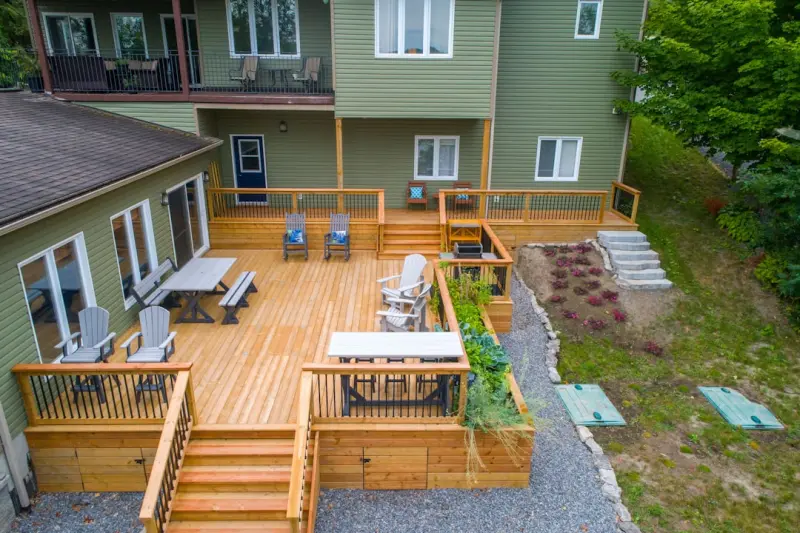
Future‑Ready Decks: Designing Low‑Maintenance, Climate‑Adaptive Outdoor Spaces
A fresh look at deck design that combines sustainable materials, modular layouts, smart sensors, and... Read More

Deck‑Enabled Micro‑Retreats: Crafting a Personal Wellness Oasis
A guide to turning your deck into a personal wellness oasis, blending nature, technology, and design... Read More
Top Posts
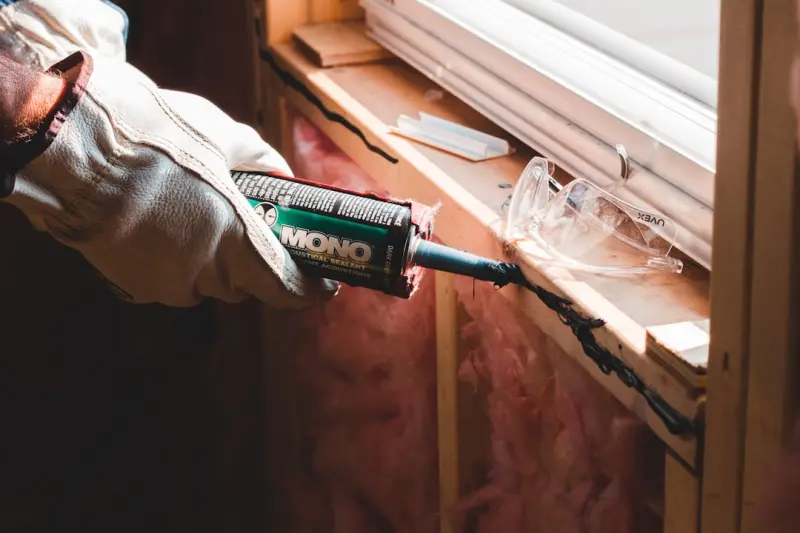
Quiet Fixes: DIY Home Repairs That Save Money and Stress
Rose DesRochers shares a step‑by‑step guide to everyday DIY repairs, offering practical tools, safety tips, and easy upgrades that boost comfort and cut exp...Read More
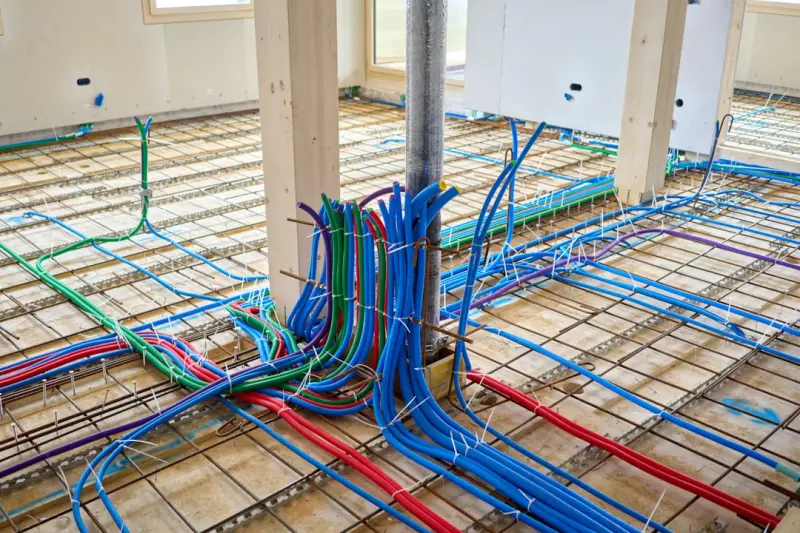
The Untapped Power of Radiant Floor Heating: Health, Efficiency, and Smart Integration
Radiant floor heating is evolving from a comfort feature to a strategic asset, delivering health benefits, energy savings, and seamless smart‑home integration...Read More

The Handyman’s New Role as a Tech‑Savvy Home Ally
Today's handyman is a tech‑savvy consultant who uses remote diagnostics, AR overlays, and data‑driven maintenance to turn traditional repairs into seamless,...Read More
Enhancing Your Outdoor Space: The Ultimate Guide to Sheds and Gazebos
Sheds and gazebos can enhance your outdoor space, providing functionality, beauty, and value. Learn about the benefits, types, and considerations for installati...Read More
0 Comments
Post Comment
You will need to Login or Register to comment on this post!