

When I first stepped onto a newly built deck at a client’s countryside retreat, the sun was catching the grain of the planks like liquid gold. I felt a familiar tingle—not just from the warm wood under my shoes, but from the possibilities that a deck represents: a canvas for community, a stage for sustainability, and, increasingly, a hub for low‑energy technology. In the past few years, decks have leapt from simple outdoor flooring to sophisticated, data‑rich environments that can adapt to weather, track usage, and even generate power. This piece is my deep‑dive into the next wave of deck innovation, written from the front row of the design‑build battlefield.
The Rise of Adaptive Decking Systems
Traditional decking has always been about durability and aesthetics, but today we’re seeing the emergence of adaptive decking systems that respond to their surroundings. Imagine a deck that can subtly tilt to shed rainwater, or one that adjusts its surface temperature based on ambient conditions, keeping your barefoot experience comfortable without a thermostat in sight. These systems rely on lightweight actuators, shape‑memory alloys, and smart sensors embedded within the joists. The technology borrows from the automotive world—think of it as a suspension system for your backyard—but the end goal is simple: make outdoor living as comfortable as indoor climate control, without sacrificing the raw, tactile joy of wood or composite.
Materials Matter: From Reclaimed Timber to Bio‑Composite Panels
Material selection remains the cornerstone of any deck project, yet the market is now brimming with options that marry performance with planet‑positive credentials. Reclaimed timber offers a story‑rich aesthetic while diverting wood from landfills; each board carries the patina of its former life, adding depth to modern designs. On the other side of the spectrum, bio‑composite panels—crafted from agricultural waste, recycled plastics, and bio‑resins—provide the low‑maintenance promise of traditional composites without the petrochemical baggage. The trick is to balance structural integrity with the environmental narrative you want to tell. As a rule of thumb, I advise clients to aim for a minimum 20‑year lifespan when choosing a material, ensuring that the deck’s embodied carbon is amortized over a meaningful period.
Designing for Climate Resilience
Our climate is shifting, and decks are front‑line witnesses to those changes. From intensified rain events to sweltering heat waves, a resilient deck must be prepared for both extremes. One strategy is to incorporate a drainage‑first approach: slope the deck slightly away from the house, install discreet weep holes, and pair the surface with a waterproofing sensors network that alerts you to moisture accumulation before rot sets in. Another tactic is to use reflective or light‑colored finishes that deflect solar gain, reducing thermal expansion and the associated warping over time. By treating the deck as an extension of the building envelope, you protect both the structure and the occupants from climate‑induced stress.
Integrating Renewable Energy: Solar Deck Tiles
What if your deck could power the very lights that illuminate it? Enter solar deck tiles, thin photovoltaic panels designed to be installed directly beneath the decking surface. They capture sunlight without disrupting the deck’s look, feeding energy into a home’s grid or a dedicated battery bank. The technology is still maturing, but early adopters report up to 15% of their outdoor lighting load covered by these panels. For owners who love evening gatherings, this means longer parties without worrying about a depleted power source. Pairing solar tiles with energy‑monitoring platforms creates a feedback loop: you can see exactly how many kilowatt‑hours you harvest while sipping a cocktail on the porch.
Smart Decks: Sensors, Data, and User Experience
Just as we’ve equipped walls with intelligent paint and HVAC with continuous energy inspection, decks are now getting their own sensor suites. Temperature, humidity, load, and even footfall counters can be discreetly embedded into the deck’s framework. This data feeds into a mobile dashboard that informs owners when a section is overheating, when a weight limit is being approached, or when seasonal cleaning is overdue. The insights also enable predictive maintenance—an area I’ve championed across the industry—so that you can address a loose board before it becomes a safety hazard.
Modular Decking: Speed, Flexibility, and Future‑Proofing
When a client needs a deck quickly—perhaps after a fire or a flood—modular decking offers a game‑changing solution. Prefabricated deck panels, complete with pre‑drilled holes for utilities, can be assembled on‑site in a matter of days. This method reduces labor costs, minimizes waste, and allows for future reconfiguration. Want to add a pergola or a hot tub? The modular nature means you can extend or reshape the deck without a full demolition. In many ways, it mirrors the modular construction movement that’s reshaping commercial real estate, but on a scale that feels intimate and personal.
Health‑Centric Deck Features
Outdoor spaces are no longer just extensions for entertaining; they’re also sanctuaries for wellness. Integrating features like built‑in yoga platforms, low‑level lighting that mimics sunrise, and even air‑purifying plant walls can transform a deck into a holistic health hub. One client requested a deck with an embedded misting system that releases a fine, cooling spray during hot afternoons—a perfect way to lower perceived temperature without resorting to energy‑hungry fans. Pair this with a deck surface treated with anti‑microbial finishes, and you have a space that supports both physical and respiratory health.
Maintenance Made Simple with Technology
Maintenance has traditionally been the Achilles’ heel of deck ownership. Regular sealing, cleaning, and inspection can be labor‑intensive, and neglect leads to costly repairs. By deploying digital woodworking tools and automated cleaning robots, homeowners can automate much of this routine. For instance, a robotic scrubber equipped with AI can recognize stain patterns and apply the right amount of cleaning solution, while a companion app logs each session, providing a maintenance history that can be shared with future buyers.
Design Trends: From Minimalist Lines to Organic Forms
While technology drives functionality, aesthetics remain the heart of deck design. Current trends swing between two poles: the sleek, minimalist deck with clean, linear geometry that blurs the line between indoor and outdoor, and the more organic, free‑form deck that mimics natural topography. The former often pairs with glass railings and hidden lighting, creating an almost invisible barrier between you and the landscape. The latter embraces varied elevations, built‑in seating niches, and a mix of materials—think reclaimed wood juxtaposed with raw concrete planters. The key is to align the deck’s visual language with the home’s architectural narrative, ensuring a seamless transition from interior to exterior.
Future Outlook: Decks as Data Hubs
Looking ahead, I see decks evolving into full‑fledged data hubs for the smart home ecosystem. As more sensors populate the outdoor environment, the deck will act as a gateway, aggregating weather data, occupancy patterns, and energy generation metrics. This information can be used to optimize not just the deck itself, but the entire property—adjusting indoor HVAC based on outdoor temperature trends, or scheduling irrigation for surrounding landscaping based on real‑time precipitation data. In essence, the deck becomes a living, breathing component of the home’s digital nervous system, offering comfort, efficiency, and a touch of futuristic flair.
Whether you’re a homeowner dreaming of a weekend oasis, a builder seeking a competitive edge, or a designer fascinated by the convergence of nature and tech, the deck of tomorrow offers a playground of possibilities. By embracing adaptive materials, renewable energy, smart sensors, and modular construction, we can create outdoor spaces that are not only beautiful but resilient, sustainable, and intelligently connected.

When it comes to the world of blogging and writing, Rose DesRochers is a name that stands out. Her passion for creating quality content and connecting with her audience has made her a trusted voice in the industry. Aside from her skills as a writer and blogger, Rose is also known for her compassionate nature.
Related Posts

Hybrid Deck Design: Turning Outdoor Platforms into Productive Work‑Life Hubs
Discover how to convert a simple deck into a versatile hybrid workspace that boosts productivity, su... Read More

Revitalizing Outdoor Living: The Smart, Sustainable Deck Transformation
Discover the secrets to creating a smart, sustainable deck that acts as an outdoor living room—fea... Read More
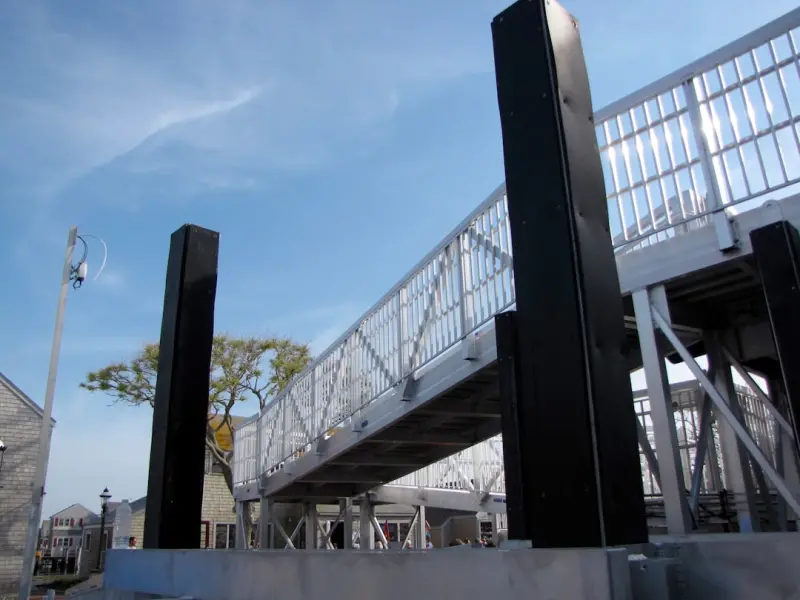
Reimagining the Deck: From Static Platform to Adaptive Outdoor Stage
A deck can be more than a simple extension; it can become a responsive, adaptable space that support... Read More
Top Posts

Cultivating a High‑Impact Lawn: Science, Tech, and Business Benefits
A modern lawn is more than just grass—it’s a data‑rich, eco‑friendly platform that boosts property value, employee morale, and client engagement through...Read More
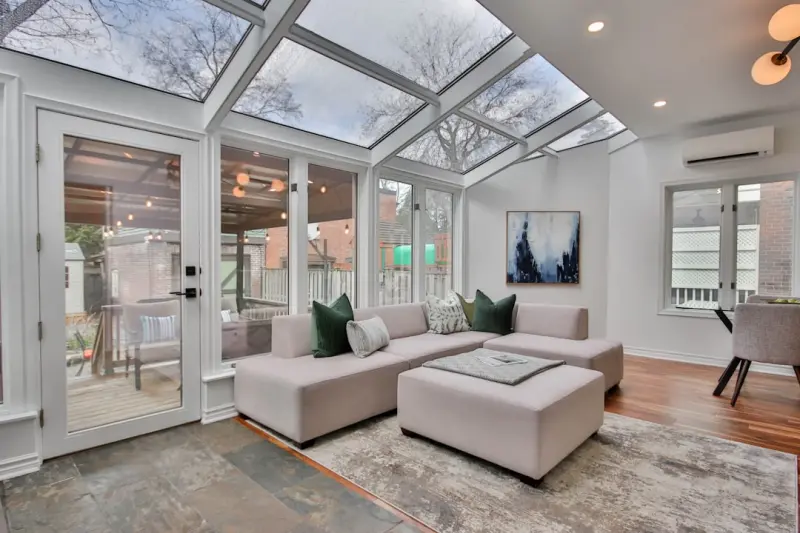
Sunroom Synergy: Turning Light‑Filled Spaces into Business Catalysts
Explore how sunrooms can evolve from decorative add‑ons to data‑driven, revenue‑generating assets through smart glass, biophilic design, and digital twins...Read More

Brick by Brick: How 3D‑Printed Masonry Is Redefining Urban Fabric
A deep dive into how large‑scale 3‑D printing is transforming traditional masonry, from engineered binders and embedded sensors to faster project timelines ...Read More

Electrifying the Bottom Line: How Smart Panels Turn Power Into Profit
Smart electrical panels are evolving from passive distributors to active data hubs, offering real-time load insight, demand response, predictive maintenance, an...Read More
0 Comments
Post Comment
You will need to Login or Register to comment on this post!