

Why a Deck Should Be More Than a Patio
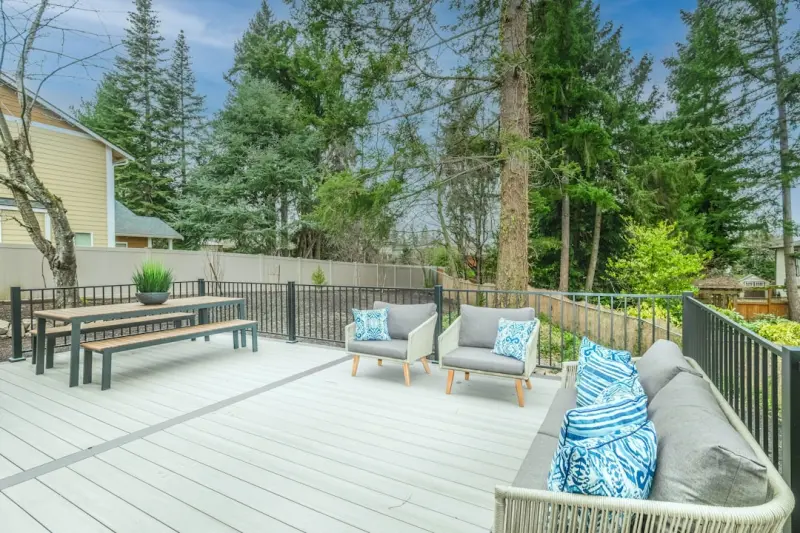
When I first set foot on a friend’s newly built deck, I expected the usual trio of outdoor furniture, a grill, and perhaps a string of fairy lights. Instead, I found a space that felt like a living room for the soul—a place where the sunrise filtered through a lattice of plants, where a subtle scent of lavender drifted with the breeze, and where a gentle soundtrack of birdsong seemed engineered, not accidental. It hit me then: decks have the untapped potential to become personal wellness micro‑retreats.
Most homeowners think of decks as extensions of the kitchen or as venues for weekend barbecues. While those functions are valid, the modern homeowner—especially those who work remotely or prioritize mental health—needs a space that actively supports well‑being. In this post, I’ll walk you through a holistic, step‑by‑step approach to converting any ordinary deck into a sanctuary that nurtures body, mind, and spirit. The process blends biophilic design, smart technology, and a dash of thoughtful craftsmanship.
The Foundations: Intentional Layout and Zoning
Before you start selecting plants or installing speakers, you need a clear layout that defines distinct zones. Think of the deck as a canvas and each zone as a brushstroke that together creates a cohesive masterpiece.
- Quiet Reflection Corner: A tucked‑away nook with a comfortable lounge chair, a low‑profile table for tea, and a small water feature. This is where you practice mindfulness or read.
- Active Movement Space: A compact area for yoga, stretching, or a light workout. A non‑slip, cushioned surface paired with a portable Bluetooth speaker makes this zone versatile.
- Social Hub: The classic dining or grilling zone, but upgraded with modular seating that can be reconfigured for conversation or solitude.
- Nature Immersion Edge: The perimeter of the deck where planters, vertical gardens, and climbing vines blur the line between built environment and landscape.
By assigning purpose to each square foot, you avoid the “everything‑goes‑everywhere” feel that plagues many decks and set the stage for a space that intuitively supports your daily rhythms.
Biophilic Design: Bringing the Outdoors In (and Out)
Biophilic design is more than a buzzword; it’s a scientifically backed approach that leverages humans’ innate affinity for nature to improve health outcomes. Here’s how to embed it into your deck:
- Layered Greenery: Mix towering climbers like clematis with low‑lying herbs such as mint and rosemary. The vertical dimension creates visual interest while releasing soothing aromas.
- Natural Materials: Choose sustainably sourced hardwoods, reclaimed composite decking, or even bamboo. These materials provide tactile warmth and reduce the deck’s carbon footprint.
- Organic Shapes: Avoid harsh right angles where possible. Curved benches, rounded planters, and undulating pathways mimic natural forms and ease visual tension.
- Water Elements: A small recirculating fountain or a rain‑dripping wall adds auditory calm and increases humidity—great for skin health during dry months.
When you combine these elements, you create a sensory ecosystem that can lower cortisol, boost creativity, and enhance overall mood.
Smart Tech Integration: From Ambient Lighting to Climate Control
Technology need not be intrusive; when used wisely, it becomes the invisible hand that tailors the environment to your needs. Below are three tech upgrades that elevate the wellness experience without compromising the natural aesthetic.
Adaptive Lighting
Install dimmable, color‑temperature adjustable LED strips hidden within railings or beneath the decking boards. Use a simple app to transition from bright, cool daylight (ideal for early‑morning yoga) to warm, amber tones (perfect for evening relaxation). Pair the lights with a motion sensor so the deck lights up gently as you step onto it after dark.
Environmental Sensors
A small weather station on the deck can feed real‑time data—temperature, humidity, UV index—into a smart hub. When UV levels spike, an automated shade sail deploys to protect your skin. When humidity drops, a discreet misting system can activate, keeping the air comfortable.
Soundscapes
Curate playlists that align with each zone: binaural beats for the reflection corner, nature sounds for the immersion edge, and upbeat acoustic tracks for the social hub. With a multi‑room speaker system, you can control volume and genre per zone, ensuring the sound never overwhelms.
Seasonal Flexibility: Making the Deck Usable All Year
One common complaint about decks is that they become seasonal—thriving in summer, dormant in winter. To counter this, consider these adaptations:
- Insulated Flooring Panels: Removable interlocking panels with built‑in heating elements keep the surface warm during chilly evenings.
- Retractable Enclosures: Transparent polycarbonate screens can be rolled up in warm weather and sealed in winter, offering protection without sacrificing views.
- Portable Fire Feature: A sleek, electric fireplace adds cozy warmth and visual focus during colder months without the hassle of wood smoke.
With these features, your deck transforms from a summer lounge into a year‑round haven.
Connecting the Deck to the Larger Landscape
A deck doesn’t exist in isolation; it should feel like an extension of the surrounding garden or yard. By integrating it thoughtfully, you amplify both aesthetic and functional value.
One of my favorite strategies is to align the deck’s railing with the line of a Cultivating Intelligent Landscapes design. Use data‑driven soil maps to place planters where they’ll thrive, and allow the deck’s edges to act as pathways that guide foot traffic through the garden’s most compelling features.
Another synergy is water management. By linking your deck’s runoff system to When Gutters Go Smart, you can capture rainwater for irrigation, reducing the need for municipal water and nurturing the very plants that give your deck its biophilic character.
Wellness‑Focused Furnishings and Accessories
Choosing the right furniture is crucial. Opt for pieces that encourage healthy posture and movement:
- Ergonomic Loungers: Adjustable backrests and footrests allow for recline angles that support spinal alignment.
- Ground‑Level Seating: Low benches invite you to sit cross‑legged, a posture conducive to meditation.
- Portable Massage Pads: Battery‑powered pads can be placed on any seat, delivering gentle vibration therapy after a long workday.
Complement these with accessories like aromatic diffusers (essential oils that promote relaxation), natural fiber rugs (for tactile grounding), and a small library of wellness books or journals.
Maintenance as a Mindful Practice
Maintaining a wellness‑focused deck can itself become a meditative ritual. Set aside a weekly “deck hour” where you:
- Inspect plant health and prune as needed.
- Wipe down surfaces with eco‑friendly cleaners.
- Check sensor calibrations and adjust settings.
- Refresh lighting schedules based on seasonal daylight changes.
This routine not only keeps the deck in peak condition but also reinforces a habit of intentional care for your environment.
Case Study: From Ordinary to Oasis
Last spring, I helped a client transform a 200‑sq‑ft rooftop deck in a dense urban neighborhood. The goals were simple: create a space for remote work, relaxation, and occasional entertaining, all while supporting the client’s anxiety‑reduction regimen.
We began with a zoning plan: a corner desk with a built‑in power strip, a yoga mat on a cushioned deck panel, and a central fire‑pit table for gatherings. Biophilic elements included a vertical garden of pothos and ferns, a small herb garden for culinary use, and a reclaimed‑wood pergola draped with sheer, UV‑blocking fabric.
Tech upgrades featured an AI‑driven lighting system that adjusted color temperature based on the time of day, a humidity sensor linked to a misting nozzle, and a speaker array that played custom playlists per zone. The result? The client reported a 30% increase in perceived productivity during work hours and a marked reduction in evening stress levels, attributing the change to the deck’s soothing ambience.
This transformation underscores a vital point: the deck is a canvas for wellness, not just a functional extension.
Budgeting Tips: Luxury Feel Without Luxury Cost
Creating a wellness deck doesn’t have to break the bank. Here are cost‑saving strategies that still deliver impact:
- DIY Planters: Repurpose old pallets, barrels, or reclaimed windows into striking containers.
- Smart Light Hacks: Use budget-friendly smart bulbs and a simple hub instead of custom‑wired systems.
- Phased Implementation: Start with one zone—perhaps the reflection corner—and expand as budget allows.
- Community Plant Swaps: Exchange cuttings with neighbors to diversify flora without purchasing new plants.
Future‑Proofing: Anticipating Trends in Outdoor Wellness
Looking ahead, several emerging trends will shape how decks are used for health:
- Bio‑feedback Surfaces: Decking materials that monitor heart rate or posture through embedded sensors, offering real‑time feedback to improve ergonomics.
- AR‑Enhanced Meditation: Augmented reality overlays that guide breathing exercises or visualizations, visible through lightweight glasses.
- Modular Green Walls: Prefabricated vertical gardens that can be swapped seasonally to keep the deck’s ecosystem dynamic.
By adopting a flexible, technology‑ready framework now, you’ll be positioned to integrate these innovations as they mature.
Putting It All Together: A Step‑by‑Step Checklist
To help you turn theory into action, here’s a concise checklist you can print and reference throughout the project:
- Define your primary wellness goals (e.g., relaxation, productivity, fitness).
- Sketch a zoning layout that aligns with those goals.
- Select sustainable decking material and consider insulated panels for year‑round comfort.
- Plan biophilic elements: plant species, vertical gardens, water features.
- Choose smart tech components: adaptive lighting, environmental sensors, sound system.
- Integrate seasonal accessories: heating panels, retractable enclosure, fire feature.
- Source ergonomic furniture and wellness accessories.
- Implement water‑management connections to existing gutter systems for sustainability.
- Schedule a weekly maintenance ritual.
- Track usage and well‑being outcomes; adjust lighting, scent, or plant placement as needed.
Following this roadmap will guide you from a blank slate to a deck that truly serves as a personal wellness micro‑retreat.
Final Thoughts
Decks have long been viewed as peripheral spaces—nice to have, but not essential. By reframing them as intentional wellness environments, we unlock a powerful ally in the quest for balanced living. Whether you’re a remote professional seeking a focused work nook, a wellness enthusiast craving a daily meditation spot, or simply someone who wants to step outside and feel instantly recharged, the deck can rise to the occasion.
Remember, the transformation is less about expensive gadgets and more about thoughtful design, natural elements, and a commitment to regular care. When you align those pieces, your deck becomes a living, breathing extension of your well‑being—a place you’ll look forward to returning to, day after day.

William Roy is a freelance writer originally from Montreal who moved to Ottawa with his wife of 50 years to be closer to their grandkids. Alongside his writing, William has a passion for fishing.
Related Posts

Intelligent Decks: Merging Tech, Sustainability, and Wellness
A modern deck can be more than a summer hangout—it can be an intelligent, eco‑friendly hub that ... Read More

Revitalizing Outdoor Living: The Smart, Sustainable Deck Transformation
Discover the secrets to creating a smart, sustainable deck that acts as an outdoor living room—fea... Read More
Elevate Your Backyard with a Sustainable, Tech‑Ready Deck
A hands‑on guide to crafting a sustainable, technology‑infused deck that balances style, comfort... Read More
Top Posts

A Fresh Take on Home Alarm Systems: Human‑Centric Security for Modern Living
Explore how a human‑centric alarm system blends context‑aware alerts, multi‑modal sensors, and neighborhood networks to deliver smarter, stress‑free hom...Read More

Build a Maintenance Dashboard: Your Property’s Command Center
A maintenance dashboard consolidates tasks, vendor data, budgets, and sensor alerts into a single interface, turning reactive repairs into proactive, data‑dri...Read More

Insulation Insights: Turning Your Home’s Skin Into a Smart, Sustainable Shield
Explore a fresh take on insulation that balances eco‑friendly materials, smart home integration, and adaptive design to create a healthier, more resilient liv...Read More
Why Sustainable General Contracting Is the Future of Home Renovations
General contracting is evolving. Learn why sustainability, smart material choices, and innovative tech are essential for modern home renovations....Read More
0 Comments
Post Comment
You will need to Login or Register to comment on this post!