
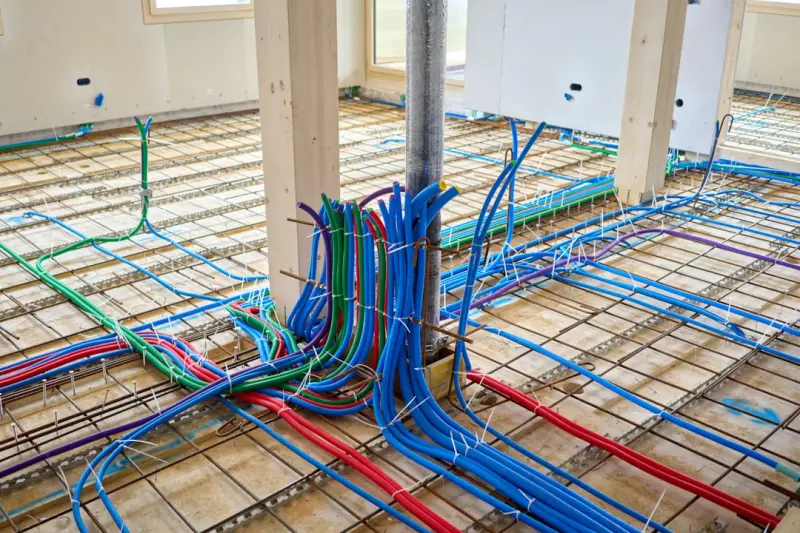
When I first stepped onto a freshly tiled floor that glowed with a gentle, invisible warmth, I felt a quiet shift in the room’s personality. It wasn’t just the temperature— it was the way the space seemed to breathe, to invite you to linger a little longer. That moment sparked a fascination that’s grown into a full‑blown obsession: the untapped potential of floor heating as a catalyst for smarter, healthier, and more resilient buildings.
Why Floor Heating Deserves a Spotlight Now
Radiant floor heating has been around for centuries—think Roman hypocausts and 20th‑century Scandinavian homes—but it’s only recently that the technology aligns with the broader demands of modern construction: energy efficiency, occupant wellness, and digital integration. The convergence of low‑carbon heat sources, advanced controls, and data‑driven design means floor heating can move from a “nice‑to‑have” upgrade to a foundational platform for next‑generation buildings.
From Comfort to Health: The Hidden Benefits
Most conversations about radiant heating focus on energy savings, but the health implications are just as compelling. Here are three ways floor heating can improve occupant well‑being:
- Consistent Air Temperature: By delivering heat directly to the floor, radiant systems eliminate the stratification that conventional forced‑air systems create. Warm air stays near the ceiling, cold air pools at floor level, and occupants often feel a draft. Radiant heating flattens that gradient, reducing the body’s need to constantly adjust.
- Reduced Airborne Particulates: Traditional HVAC units circulate dust, pollen, and microbial spores. Floor heating works silently, without fans, meaning fewer particles are lofted into the breathing zone. For allergy sufferers and those with asthma, the difference can be palpable.
- Enhanced Sleep Quality: A bedroom that stays cool at night but gently warms up as you rise can sync with the body’s natural circadian rhythm. Studies have shown that sleeping in a slightly cooler environment (around 65 °F) promotes deeper REM cycles, while a modest rise in floor temperature in the early morning can ease the transition from sleep to wakefulness.
Designing for Energy Resilience
Floor heating isn’t just a comfort feature; it can be a strategic component of a building’s energy strategy. When paired with low‑carbon heat sources—such as ground‑source heat pumps, solar thermal collectors, or district heating networks—the system can dramatically reduce reliance on fossil‑fuel‑based boilers.
Consider a modular design‑build approach that incorporates pre‑wired radiant loops in floor panels. This modularity shortens on‑site installation time, reduces waste, and ensures airtight connections that are critical for system efficiency. The result is a building that can respond quickly to fluctuating energy prices and grid constraints.
Intelligent Controls: Turning Floors Into Data Hubs
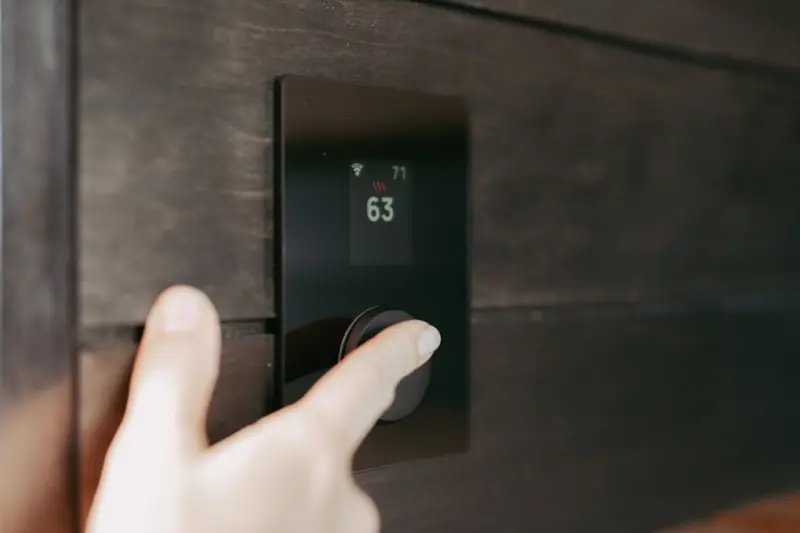
One of the most exciting developments is the integration of floor heating with building automation platforms. Modern thermostats are no longer standalone devices; they’re part of an ecosystem that includes occupancy sensors, weather forecasts, and predictive algorithms.
Imagine a scenario where a building’s adaptive climate zones dynamically reallocate heat based on real‑time usage patterns. If a conference room is empty for an hour, the system can lower the floor temperature just enough to prevent heat loss, then ramp up instantly when a meeting is scheduled. The granularity of control reduces wasted energy by up to 30 % compared with conventional zoned systems.
Floor Heating and the Digital Twin
Digital twins—virtual replicas of physical assets—are reshaping how facilities are managed. By feeding floor temperature data into a digital twin, facility managers can simulate the impact of design changes, forecast energy consumption, and even detect anomalies before they become costly repairs.
Integrating radiant heating data into a digital twin allows for:
- Predictive Maintenance: Early detection of loop leaks or pump inefficiencies.
- Performance Benchmarking: Comparing actual energy use against simulated “ideal” scenarios.
- Scenario Planning: Testing the effect of retrofitting insulation or upgrading heat sources without disrupting occupants.
When the virtual model mirrors the physical system, you gain a powerful decision‑making tool that bridges design intent and operational reality.
Material Matters: Sustainable Flooring Choices
The success of a radiant floor system is closely tied to the flooring material. Not all surfaces conduct heat equally; selecting the right substrate can amplify efficiency while keeping sustainability front‑and‑center.
- Concrete: A thermal mass champion, concrete stores and releases heat slowly, smoothing out temperature fluctuations. When paired with low‑carbon concrete mixes, it supports a net‑zero strategy.
- Engineered Wood: Modern engineered products are thinner and more stable than solid wood, allowing heat to pass through without warping. Look for FSC‑certified options to ensure responsible sourcing.
- Ceramic and Porcelain Tiles: These materials have high conductivity, making them ideal for rapid heat response. Choose tiles with recycled content to reduce embodied carbon.
Overcoming Common Misconceptions
Despite its benefits, floor heating still faces skepticism. Let’s debunk a few myths that often stall adoption:
- Myth: It’s Too Expensive to Install. While upfront costs are higher than baseboard heating, the lifecycle savings—lower energy bills, reduced maintenance, and extended flooring lifespan—often offset the initial outlay. Additionally, modular pre‑installed systems can drive down labor expenses.
- Myth: It Takes Too Long to Heat Up. Advances in pump technology and high‑efficiency heat sources now provide rapid response times. In well‑insulated spaces, you can feel the warmth within 10‑15 minutes of activation.
- Myth: It’s Not Compatible with Smart Homes. Modern radiant controllers speak Zigbee, Z-Wave, and Thread, integrating seamlessly with voice assistants and occupancy sensors. The floor becomes another node in your smart ecosystem.
Case Study: A Mid‑Rise Office That Turned Radiant Heat Into a Competitive Advantage
One client—a mid‑rise office building in a temperate climate—sought to differentiate itself in a crowded market. The design team implemented a low‑temperature hydronic radiant floor system powered by a nearby solar thermal plant. Key outcomes included:
- Energy Reduction: 28 % lower heating energy compared to a conventional forced‑air system.
- Occupant Satisfaction: Post‑occupancy surveys showed a 92 % satisfaction rate with thermal comfort.
- Certification Boost: Achieved LEED Gold certification, with radiant heating cited as a major credit contributor.
The building’s management portal, linked to a digital twin, provides real‑time floor temperature maps, enabling rapid adjustments and predictive maintenance alerts.
Future Trends: What’s Next for Radiant Floor Heating?
Looking ahead, several innovations promise to push floor heating even further:
- Hybrid Systems: Combining radiant floor with under‑floor cooling to create year‑round climate control without additional ductwork.
- Thermal Energy Storage: Using phase‑change materials embedded in the floor structure to store excess heat for later release, smoothing out demand peaks.
- AI‑Driven Optimization: Machine‑learning algorithms that continuously refine heating schedules based on occupancy patterns, weather forecasts, and energy price signals.
These trends align with broader industry shifts toward decarbonization, occupant‑centric design, and data‑driven operations.
Practical Tips for Architects, Contractors, and Facility Managers
Whether you’re specifying a new build or retrofitting an existing space, keep these guidelines top of mind:
- Plan Early: Integrate radiant loops into the structural design phase to avoid costly rework.
- Insulate Thoroughly: High‑performance insulation beneath the heating layer prevents heat loss to the sub‑grade and maximizes efficiency.
- Choose the Right Pump: Variable‑speed pumps adjust flow rates to match real‑time demand, reducing energy consumption.
- Leverage Smart Controls: Deploy controllers that can interface with building management systems and respond to occupancy sensors.
- Document Everything: Accurate as‑built drawings and loop schematics simplify troubleshooting and future upgrades.
Conclusion: Turning the Ground Up Into a Strategic Asset
Floor heating is more than a comfort amenity; it’s a strategic lever for energy resilience, health, and digital integration. By embracing modern materials, intelligent controls, and data‑centric operations, we can transform the humble slab beneath our feet into a cornerstone of sustainable, high‑performance buildings. The next time you step onto a warm floor, remember—you’re not just feeling heat; you’re experiencing the future of built environment design.

Tom Ferguson is a Canadian freelance writer with a passion for storytelling, current events, and thoughtful commentary. Drawing on years of writing experience, he shares engaging insights on a wide range of topics, bringing a uniquely Canadian perspective to his work.
Related Posts

Radiant Floor Heating: A Cozy, Sustainable Upgrade for Modern Homes
Explore the hidden benefits of radiant floor heating—from energy savings and design freedom to sma... Read More

Radiant Comfort Meets Intelligent Infrastructure
Discover why modern floor heating is a strategic asset for businesses, delivering energy savings, he... Read More
Warm Floors, Smart Homes: A Fresh Look at Choosing and Installing Floor Heating
Explore a fresh perspective on floor heating—learn to pick the right system for each space, DIY in... Read More
Top Posts

Seasonal Appliance Tune‑Ups: A Technician’s Playbook for Longevity
Learn how proactive, seasonal tune‑ups for your fridge, dryer, washer, and dishwasher can extend their life, cut energy costs, and keep your home running smoo...Read More

Crafting a Narrative with Tiles: How Patterns, Colors, and Textures Tell Your Home’s Story
Learn to use tile patterns, shapes, colors, and textures as a storytelling tool, creating personalized spaces that speak volumes about your style and life....Read More

Radiant Floor Heating: Unexpected Health Benefits You’re Missing
Explore the hidden health advantages of radiant floor heating—from better circulation and skin hydration to deeper sleep and cleaner air—plus practical tips...Read More

Unlock Hidden Comfort: 7 Everyday Home Tweaks That Boost Wellness and Value
Explore seven affordable, high‑impact adjustments—clean ducts, smart plants, modular storage, daylight harvesting, and sustainable finishes—that elevate y...Read More
0 Comments
Post Comment
You will need to Login or Register to comment on this post!