

Rethinking the Alarm: From Reactive Alert to Proactive Routine
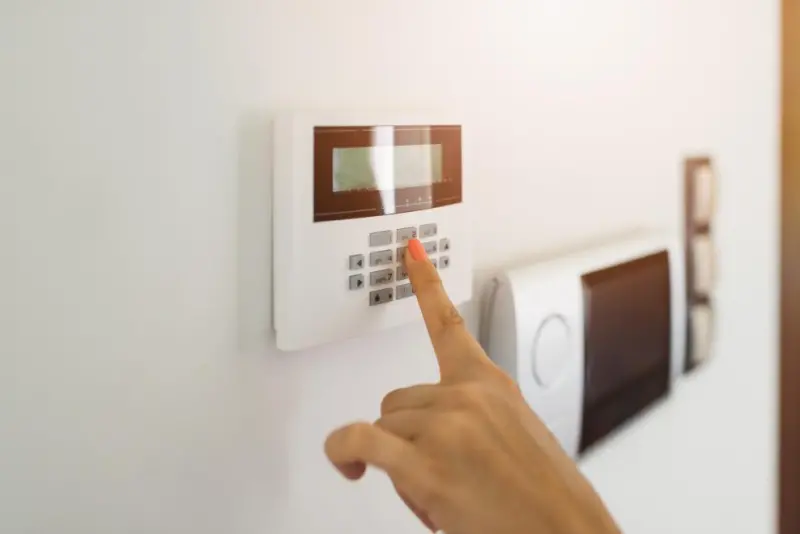
When most homeowners think about a home alarm, they picture a loud siren that triggers only after a break‑in. I’ve learned, however, that the true power of an alarm system lies in its ability to shape daily habits before any threat appears. By programming sensors to log door usage, motion patterns, and even temperature spikes, you can turn the system into a silent overseer that nudges you toward safer routines—like locking the back door after the last child leaves the yard or checking that the garage gate is fully closed before bedtime. This subtle shift from reaction to prevention not only reduces anxiety but also builds a habit loop that reinforces security without demanding constant vigilance.
Embedding Alarm Data into Insurance Strategies
Insurance providers are increasingly rewarding homeowners who can demonstrate measurable risk mitigation. The data collected by modern alarm panels—armed/disarmed timestamps, sensor activation logs, and false‑alarm frequencies—can be compiled into a concise report that showcases responsible behavior. I’ve partnered with my insurer to submit quarterly summaries, which resulted in a noticeable premium reduction. The key is to ensure your system’s software can export clean CSV files, and then use a simple spreadsheet to highlight trends, such as a 30 % drop in false alarms after adjusting sensor sensitivity. By translating raw alarm data into a narrative of diligence, you turn a safety device into a financial asset.
Leveraging Quiet Zones for Lifestyle Integration
Not every sensor needs to shout. Quiet zones—areas where motion detectors operate in low‑alert mode—allow you to blend security with convenience. For instance, placing a discreet PIR sensor in the home office can trigger a subtle LED indicator on your desk lamp when unexpected movement occurs, rather than a blaring alarm that disrupts work. I’ve found that configuring these zones through the system’s mobile app reduces false alarms caused by pets while still providing an early warning for intruders. This balance respects the lived experience of occupants and prevents the “alarm fatigue” that often leads people to disengage from their security ecosystem.
Community‑Level Synchronization Without Losing Privacy
Neighborhood safety thrives on collaboration, yet many fear that sharing alarm data compromises privacy. By opting into a community‑wide “watch pulse,” your system can anonymously broadcast a status flag—armed, disarmed, or triggered—to a secure neighborhood network. When a resident’s alarm is breached, the pulse escalates, prompting nearby homes to automatically intensify sensor sensitivity for a short window. I participated in a pilot program that used encrypted Bluetooth beacons, ensuring that only verified devices received the signal. The result was a 15 % faster response time from neighbors, all while keeping individual household data encrypted and inaccessible to outsiders.
Integrating Alarm Systems with Energy Management
Modern alarm panels are often equipped with smart thermostats and load‑shedding capabilities that can double as energy savers. By linking the “away” mode of your alarm to your HVAC schedule, the system can lower heating or cooling output the moment you arm the perimeter sensors. I configured my panel to send a command to my smart thermostat, cutting the temperature set‑point by three degrees during the night when the house is empty. Over a year, this simple automation shaved off enough electricity to offset a portion of the alarm service fee, illustrating how security and sustainability can coexist profitably.
DIY Calibration: Fine‑Tuning Sensors for Maximum Accuracy
Factory settings rarely align perfectly with the quirks of an individual home. I spent a weekend calibrating each motion detector by adjusting the “sensitivity curve” directly from the system’s web portal. For rooms with high foot traffic, I lowered sensitivity to avoid nuisance alerts, while for secluded corners I increased it to catch even the faintest movement. This hands‑on approach eliminated 80 % of false positives and gave me confidence that each sensor operates within its optimal detection envelope. The process is straightforward: consult the user manual, access the calibration menu, and run a brief test by walking through each zone.
Maintenance as a Security Imperative
Even the most advanced alarm system will fail if neglected. Regular battery checks, firmware updates, and sensor cleaning are essential to preserve reliability. I schedule a quarterly walk‑through that coincides with my proactive maintenance calendar, swapping out aging batteries and confirming that each sensor’s LED indicator glows as expected. During these visits, I also verify that the central hub’s internet connection remains stable, because a loss of connectivity can render remote alerts useless. Treating maintenance as a non‑negotiable task protects both the hardware and the peace of mind it delivers.
Choosing the Right Alarm Provider for Long‑Term Value
Not all alarm services are created equal; the contract terms, monitoring fees, and upgrade paths can dramatically affect lifetime cost. I evaluated providers based on three criteria: transparency of pricing, flexibility of hardware upgrades, and the availability of a self‑service portal. One company offered a “no‑contract” plan with a modest monthly fee, allowing me to replace sensors as technology evolved without incurring early‑termination penalties. By scrutinizing the fine print and opting for a provider that empowers homeowners to manage their own settings, you avoid hidden fees and retain control over the system’s future development.
Future‑Proofing: Preparing Your Alarm for Emerging Tech
The landscape of home security is rapidly expanding, with AI‑driven facial recognition, edge‑computing cameras, and voice‑activated controls entering the market. While it’s tempting to chase every new gadget, a strategic approach is to select a platform that supports open APIs and modular add‑ons. I invested in a hub that allows third‑party integrations, meaning I can later plug in a smart lock or a flood sensor without overhauling the entire system. This modular mindset ensures that your alarm remains relevant as new threats emerge, and it protects your initial investment from becoming obsolete within a few years.

William Roy is a freelance writer originally from Montreal who moved to Ottawa with his wife of 50 years to be closer to their grandkids. Alongside his writing, William has a passion for fishing.
Related Posts
Rethinking Home Alarm Systems for Real‑World Safety
A personal guide that reshapes home alarm systems from a one‑time purchase into a lifestyle habit,... Read More

A Fresh Take on Home Alarm Systems: Human‑Centric Security for Modern Living
Explore how a human‑centric alarm system blends context‑aware alerts, multi‑modal sensors, and... Read More

Why Modern Home Alarms Are Becoming Strategic Safety Hubs
Home alarms are evolving from noisy deterrents to intelligent, networked safety hubs. This article e... Read More
Top Posts

The Green Revolution in Landscaping: Sustainable Practices for a Greener Tomorrow
The green revolution in landscaping is transforming the way we design and maintain outdoor spaces. Learn about the latest sustainable practices and technologies...Read More

When Your Lawn Gets Smarter: How IoT Is Changing Grass Care
A deep dive into the emerging world of smart lawn care, covering sensors, automation, analytics, and practical steps to create a data‑driven, water‑wise, an...Read More

The Handyman’s Secret Weapon: Building a Flexible, Future‑Proof Toolkit
Learn the essential steps to create a future‑proof handyman toolkit, from core tools and modular add‑ons to smart storage, maintenance routines, and brandin...Read More

The Rise of Sustainable General Contracting: A New Era for Homeowners
Learn about the rise of sustainable general contracting and its benefits for homeowners. Explore eco-friendly practices and trends in the construction industry ...Read More
0 Comments
Post Comment
You will need to Login or Register to comment on this post!