
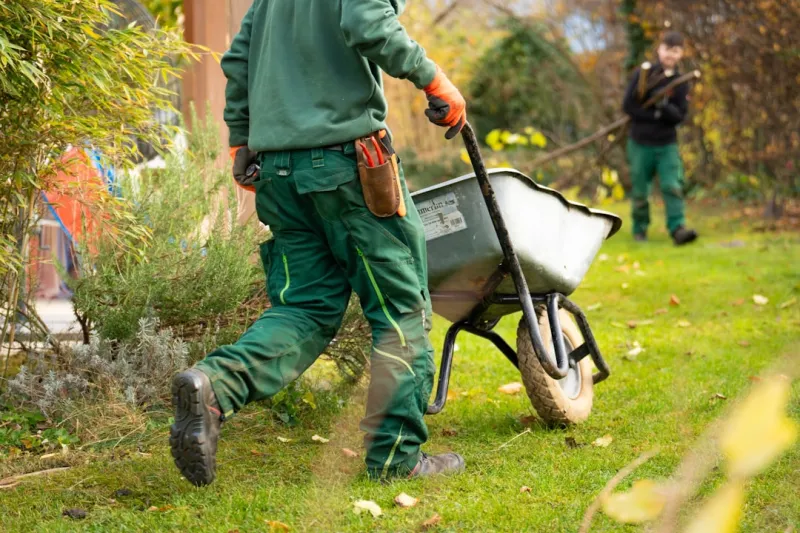
The Green Revolution in Landscaping: Sustainable Practices for a Greener Tomorrow
As a seasoned landscaper, I've witnessed firsthand the transformative power of sustainable practices in creating beautiful, eco-friendly outdoor spaces. The green revolution in landscaping is not just a trend; it's a movement towards a more environmentally conscious and responsible approach to gardening and outdoor design. In this article, I'll explore the latest sustainable practices and technologies that are changing the face of landscaping, and provide tips on how to incorporate them into your own outdoor space.
Sustainable landscaping is not just about reducing our carbon footprint; it's also about creating outdoor spaces that are healthier, more resilient, and more enjoyable for both humans and wildlife. One of the simplest ways to start is by choosing native plants that are adapted to your local climate and soil conditions. These plants require less water, fertilizer, and pest control, making them a low-maintenance and eco-friendly choice. Additionally, native plants provide vital habitat and food for local wildlife, supporting biodiversity and ecosystem health.
The Benefits of Rainwater Harvesting
Rainwater harvesting is another sustainable practice that's gaining popularity in landscaping. By collecting and storing rainwater in on-site tanks or barrels, homeowners can reduce their water bills and decrease their reliance on municipal water supplies. Rainwater harvesting systems can be used to irrigate plants, wash cars, and even flush toilets. For those interested in learning more about sustainable home additions, I recommend checking out Weathering the Storm: How Sustainable Home Additions Can Save Your Home for valuable insights.
Eco-Friendly Hardscaping Options
When it comes to hardscaping, there are many eco-friendly options to choose from. Permeable pavers, for example, allow rainwater to percolate through and recharge groundwater, reducing stormwater runoff and filtering out pollutants. Recycled materials, such as reclaimed wood, recycled glass, and repurposed metal, can also be used to create unique and sustainable hardscapes. These materials not only reduce waste but also add character and charm to outdoor spaces.
The Role of Sustainable Materials in Landscaping
Sustainable materials play a crucial role in eco-friendly landscaping. From reclaimed wood to low-carbon concrete, there are many options available for homeowners who want to reduce their environmental impact. For example, The Sustainable Awning Revolution: A Game-Changer for Eco-Friendly Homes explores the benefits of sustainable awnings in reducing energy consumption and promoting eco-friendliness.
Embracing Sustainable Landscaping Practices
Embracing sustainable landscaping practices requires a mindset shift towards environmental stewardship and responsibility. It's about recognizing the interconnectedness of our actions and their impact on the planet. By choosing sustainable materials, conserving water, and promoting biodiversity, we can create outdoor spaces that not only benefit our own well-being but also contribute to a healthier planet. For more information on sustainable home additions, I recommend reading Embracing Sustainable Home Additions: A Greener Future for Your Home.
The Future of Landscaping
The future of landscaping is green, and it's exciting to see the impact that sustainable practices are having on the industry. From rainwater harvesting to eco-friendly hardscaping, there are many ways to create beautiful and sustainable outdoor spaces. As a landscaper, I'm committed to staying at the forefront of this movement and helping homeowners create outdoor spaces that are not only stunning but also sustainable.
Getting Started with Sustainable Landscaping
Getting started with sustainable landscaping can seem daunting, but it doesn't have to be. Begin by assessing your outdoor space and identifying areas for improvement. Consider reducing lawn area and replacing it with drought-tolerant plants or a vegetable garden. Add some eco-friendly hardscaping features, such as permeable pavers or a rain barrel. And don't forget to choose sustainable materials for any new construction or renovation projects.
Conclusion
In conclusion, sustainable landscaping is not just a trend; it's a movement towards a more environmentally conscious and responsible approach to gardening and outdoor design. By incorporating sustainable practices and technologies into our outdoor spaces, we can create beautiful, eco-friendly areas that benefit both humans and wildlife. Whether you're a seasoned landscaper or a homeowner looking to make a positive impact, I encourage you to join the green revolution in landscaping and help create a more sustainable future for our planet.
Some key takeaways from this article include:
- Choose native plants that are adapted to your local climate and soil conditions.
- Consider rainwater harvesting to reduce water bills and decrease reliance on municipal water supplies.
- Opt for eco-friendly hardscaping options, such as permeable pavers and recycled materials.
- Select sustainable materials for any new construction or renovation projects.
By following these tips and staying informed about the latest sustainable practices and technologies, we can create a greener, more sustainable future for ourselves and future generations.

Craig Brett is a freelancer with a passion for the outdoors. His love for nature inspires his work, bringing authentic and engaging perspectives to projects related to outdoor activities, adventure, and environmental topics.
Related Posts
Regenerative Landscaping: Building a Living, Food‑Rich Garden That Works With Nature
Learn to redesign your yard with regenerative practices—soil building, native planting, rain garde... Read More

Designing Sound-Responsive Landscapes: Turning Outdoor Spaces into Auditory Experiences
Landscaping isn’t only visual; it’s auditory too. This article reveals how strategic plantings, ... Read More
Cultivating Business Growth with Purpose‑Driven Landscape Design
Discover why thoughtful landscape design is a powerful business asset—enhancing employee wellness,... Read More
Top Posts
Reimagining Building Foundations for a Sustainable Future
Foundations are the hidden heroes of any building; this post reveals how low‑carbon mixes, micro‑scale weatherproofing, and intelligent sensor networks can ...Read More
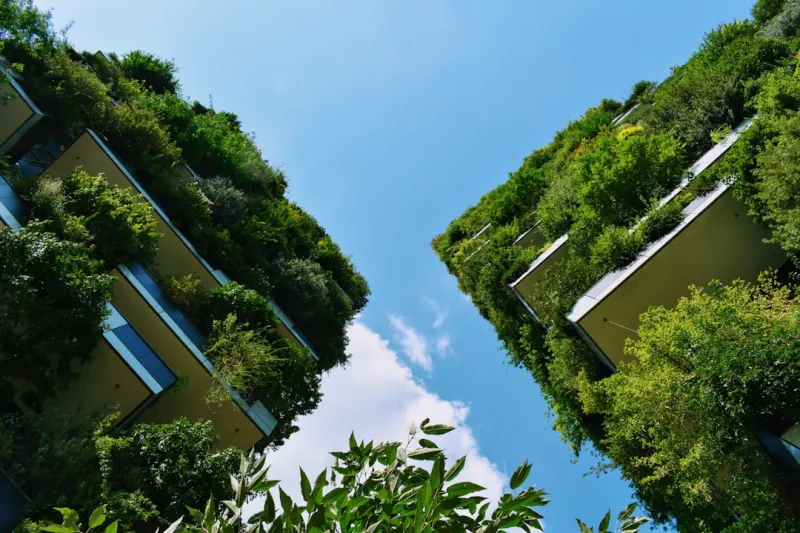
The Importance of Sustainable Property Maintenance: A Guide to Eco-Friendly Practices
Learn how to prioritize sustainable property maintenance and protect your investment while reducing your environmental footprint. Get expert guidance on eco-fri...Read More

Designing Home Restoration for Multigenerational Living
A fresh take on home restoration focuses on universal design, acoustic comfort, and future‑ready technology to create safe, adaptable spaces for grandparents,...Read More
Sustainable Home Hacks: Practical Tips for a Greener, Healthier House
Learn practical, sustainable home upgrades—from energy inspections to smart garage transformations—that save money, improve comfort, and reduce environmenta...Read More
0 Comments
Post Comment
You will need to Login or Register to comment on this post!