
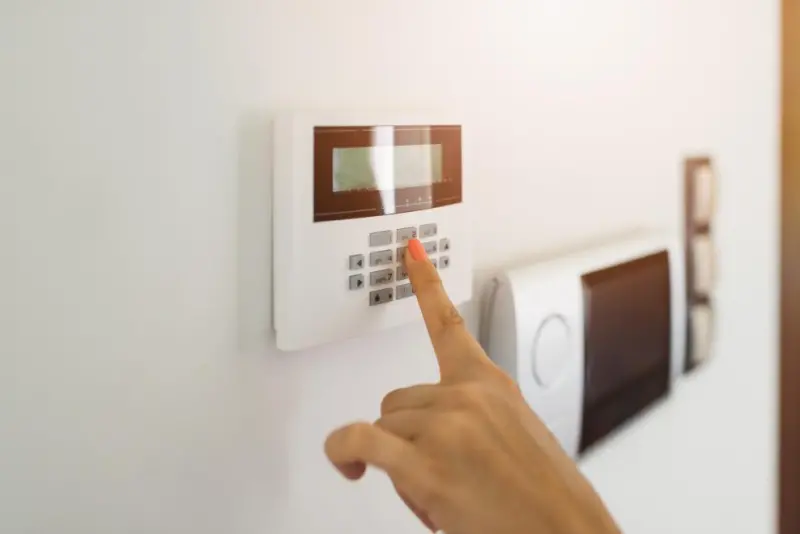
Why I Started Treating My Alarm System Like a Lifestyle Choice
When I first moved into my starter home, the alarm panel was just another blinking box on the wall, something I assumed would sit quietly in the background while I focused on décor and furniture placement; however, after a near‑miss burglary attempt during a rainstorm, I realized that security is not a one‑time purchase but an evolving habit that must align with daily routines, personal anxieties, and even my sleep schedule. Seeing the alarm as a lifestyle choice transformed my approach from passive reliance on a single device to an active conversation with every sensor, keypad, and mobile app that keeps my sanctuary safe, allowing me to fine‑tune notifications so they feel like gentle reminders rather than jarring interruptions. This shift also opened my eyes to the hidden opportunities a well‑tuned system offers, such as leveraging data for insurance discounts and creating a sense of calm that ripples through every room.
Mapping Your Home’s Vulnerabilities Before You Click “Buy”
Most shoppers rush straight to the latest wireless keypad or sleek camera, yet the most effective alarm starts with a thorough walkthrough that identifies entry points, blind spots, and high‑traffic zones, because a sensor placed on a rarely used basement window does little to deter a determined intruder who prefers the front door; by sketching a simple floor plan and marking doors, windows, and pet pathways, you can prioritize where motion detectors, door contacts, and glass‑break sensors will deliver the greatest return on investment. In my own house, I discovered that the sliding patio door lacked a secondary latch, prompting me to add a magnetic contact paired with a low‑frequency alarm that sounds only when the door is forced, preserving the quiet ambience during normal use. The exercise of mapping also reveals hidden challenges, such as pets triggering motion sensors, which can be mitigated by selecting pet‑immune zones or adjusting sensitivity thresholds.
Choosing Sensors That Respect Your Home’s Rhythm
Not all sensors are created equal, and selecting the right type can mean the difference between a protective net and a constant source of frustration; for instance, infrared motion detectors excel in hallways where human movement is predictable, whereas dual‑technology units that combine microwave and PIR sensors are better suited for large, open living rooms where pets roam freely, as they drastically reduce false alarms caused by cat whiskers or sunlight reflections. I opted for a blend of door/window contacts with tamper‑resistant casings for my front entry, paired with a single‑zone glass‑break sensor in the master bedroom, ensuring that any attempt to shatter the window triggers an immediate alert without overwhelming my phone with unnecessary pings. Remember to verify compatibility with your central hub, especially if you plan to integrate voice assistants or smart locks, because a fragmented ecosystem can quickly become a maintenance nightmare.
Turning False Alarms into Learning Opportunities
False alarms are more than an annoyance; they erode confidence, inflate insurance premiums, and can desensitize you to genuine threats, so it’s crucial to treat each unintended trigger as a data point that informs future adjustments, whether that means lowering motion sensor sensitivity after a windy night rattled curtains or repositioning a glass‑break microphone away from a nearby HVAC unit that emits low‑frequency hums. After a weekend barbecue, my backyard motion detector went off when a stray raccoon brushed against the fence; instead of muting the sensor, I added a pet‑immune setting and created a custom “guest mode” schedule that disables certain perimeter sensors during known social gatherings, preserving security while respecting the social vibe. By logging these incidents in a simple spreadsheet—date, sensor, cause, action taken—you build a living manual that sharpens your system’s accuracy over time, turning each false alarm into a step toward a more intelligent, less intrusive defense.
Leveraging Alarm Data for Insurance Savings
Many homeowners overlook the fact that insurers often reward proactive security measures with premium reductions, and by sharing detailed alarm logs that demonstrate consistent system health and low false‑alarm rates, you can negotiate discounts that offset the initial hardware costs; a well‑documented history showing fewer than three alerts per year typically qualifies for a 5‑10 % reduction, especially when paired with other smart‑home upgrades like carbon‑monoxide detectors or water‑leak sensors. I partnered with my insurance provider to submit quarterly reports generated directly from my alarm hub, highlighting that my front‑door contact never triggered outside of scheduled deliveries, and the insurer responded with a modest but appreciated premium cut. To streamline the process, look for alarm brands that offer downloadable CSV files or API access, making it effortless to compile and present the data during renewal discussions.
Seasonal Maintenance: Preparing Your System for Winter and Summer
Just as you winterize plumbing and summer‑proof your AC, your alarm system deserves seasonal check‑ups to ensure optimal performance, because temperature extremes can affect battery life, sensor range, and even wireless signal strength; in the colder months, I replace alkaline batteries with lithium‑based ones that resist low‑temperature drain, and I clear snow and ice from exterior cameras to maintain clear sightlines, while in summer I inspect door seals for warping that might cause false contacts on magnetic sensors. A quick visual inspection of each sensor’s mounting hardware before the season changes can catch loose screws or corrosion, and testing the central hub’s connectivity with a smartphone app ensures that you’ll receive alerts even if the primary Wi‑Fi network experiences temporary outages. Incorporating a seasonal checklist into your home command routine—perhaps as a reminder in the home command center you already use for chores—makes maintenance feel less like a chore and more like a proactive habit.
DIY Installation vs. Professional Services: Weighing the Trade‑offs
While the DIY route can save money and provide a satisfying sense of control, it also carries hidden risks such as improper sensor placement, missed calibration steps, and potential voiding of warranties, which can compromise the entire security ecosystem; hiring a certified installer brings expertise in wiring, signal optimization, and code compliance, and many companies now offer a hybrid model where they perform a site survey and guide you through self‑installation, blending cost‑effectiveness with professional oversight. When I decided to mount my own outdoor cameras, I followed the manufacturer’s step‑by‑step video, yet I still called a technician to verify that the power injector was correctly grounded, preventing intermittent connectivity that could have left me blind to a breach. Ultimately, the decision hinges on your comfort with technical details, the complexity of your home’s layout, and the value you place on peace of mind that a vetted professional can guarantee.
Building Community Trust Through Alarm Etiquette
Alarm systems don’t exist in isolation; they interact with neighbors, local law enforcement, and even neighborhood watch groups, so establishing clear etiquette—such as informing nearby residents of scheduled test drills, using silent alarms for interior breaches, and promptly responding to false‑alarm calls—helps maintain goodwill and avoids unnecessary panic; I’ve found that sending a brief text to my block’s WhatsApp group before running a quarterly system test reduces confusion and even encourages others to share their own security tips. Moreover, many municipalities offer “good‑neighbor” incentives for households that consistently keep false alarms under a certain threshold, reinforcing the idea that responsible alarm usage benefits the entire community. By treating your system as a shared resource rather than a solitary shield, you foster a collaborative environment where safety becomes a collective priority.
Beyond the Hype: Emerging Technologies That Complement Traditional Alarms
While flashy gadgets often dominate headlines, the most promising advances for home security are subtle integrations that enhance existing alarm frameworks, such as low‑energy Bluetooth beacons that track the presence of authorized devices, AI‑driven video analytics that differentiate between humans, animals, and moving shadows, and edge‑computing hubs that process alerts locally to reduce latency; these features can be layered onto a conventional alarm without overhauling the entire system, providing incremental upgrades that keep your home future‑ready. I recently added a battery‑free door sensor that draws power from the magnetic field of the lock itself, eliminating the need for periodic battery checks and ensuring uninterrupted coverage. By staying informed about incremental innovations—perhaps through newsletters from trusted security blogs—you can adopt enhancements that align with your specific needs, turning a static alarm into a dynamic, adaptable guardian.

Kelly Reynolds is a dynamic freelance writer hailing from the picturesque landscapes of Alberta. A master of the written word, she juggles her passion for storytelling with the exhilarating chaos of being a mother to five spirited children. With an impressive portfolio that spans various genres, Kelly captivates readers through her engaging blog posts and thought-provoking articles.
Related Posts

Beyond the Siren: Crafting a Home Alarm System That Listens to Your Lifestyle
A lifestyle‑first alarm system blends edge intelligence, community alerts, and custom zoning to pr... Read More

Securing Your Home: Why a Modern Alarm System is a Must-Have
A modern home alarm system is a must-have for any homeowner. Learn why and how to choose the right s... Read More

Securing Your Sanctuary: The Ultimate Guide to Home Alarm Systems
Learn how to secure your home and loved ones with a reliable home alarm system. Discover the benefit... Read More
Top Posts

Sustainable Home Hacks: Practical Tips for a Greener, Healthier House
Learn practical, sustainable home upgrades—from energy inspections to smart garage transformations—that save money, improve comfort, and reduce environmenta...Read More

Countertop Conversations: How Surface Choices Shape Kitchen Life
Countertops are more than just a place to set a mug; they affect health, sustainability, and daily workflow. Discover how material choices, eco‑friendly optio...Read More

Mastering Modern Drywall: From Sustainable Boards to Acoustic Perfection
Learn how to choose eco‑friendly drywall, integrate acoustic solutions, and future‑proof walls with smart wiring—all from a seasoned pro’s perspective....Read More

Reinventing Sunrooms: Health‑Focused, Energy‑Smart Spaces for Modern Workplaces
Sunrooms are evolving from decorative add‑ons to high‑performance hubs that enhance employee health, cut energy use, and adapt to climate extremes, thanks t...Read More
0 Comments
Post Comment
You will need to Login or Register to comment on this post!