
Why a Home Command Center Is the Modern Family’s Backbone
In a world where every family member carries a smartphone, a laptop, and a growing list of responsibilities, the hallway table or a stray bulletin board simply cannot keep pace. A dedicated home command center consolidates mail, keys, schedules, and digital reminders into one visible, accessible hub, turning chaos into a predictable rhythm that saves minutes—and sanity—each day. When the entire household can glance at a single spot and instantly know what’s due, where to go, and who needs what, the ripple effect is a calmer home and more productive evenings.
The Tangible Benefits That Show Up Fast
First, you’ll notice a dramatic drop in misplaced items; a central drop‑off shelf for keys and backpacks becomes a habit that replaces frantic morning searches. Second, visual calendars and whiteboards make deadlines and appointments impossible to ignore, reducing the “I forgot” excuses that often lead to missed appointments or double‑bookings. Finally, the psychological impact of a tidy, well‑organized entryway reinforces a sense of control, which studies link to lower stress levels and better sleep—proof that a simple piece of furniture can influence overall wellbeing.
Picking the Perfect Spot Without Sacrificing Style
The location of your command center should be a natural traffic node—ideally the entryway, mudroom, or a nook adjacent to the kitchen where families converge for meals. Consider foot traffic flow; you want the station to be seen without becoming an obstacle. If your hallway is narrow, think vertical: wall‑mounted panels or pegboards keep the floor clear while still providing ample storage. For larger spaces, a low console with drawers can double as a decorative element, blending function with the aesthetic you’ve already curated throughout your home.
Core Components That Turn a Simple Shelf Into a Power Hub
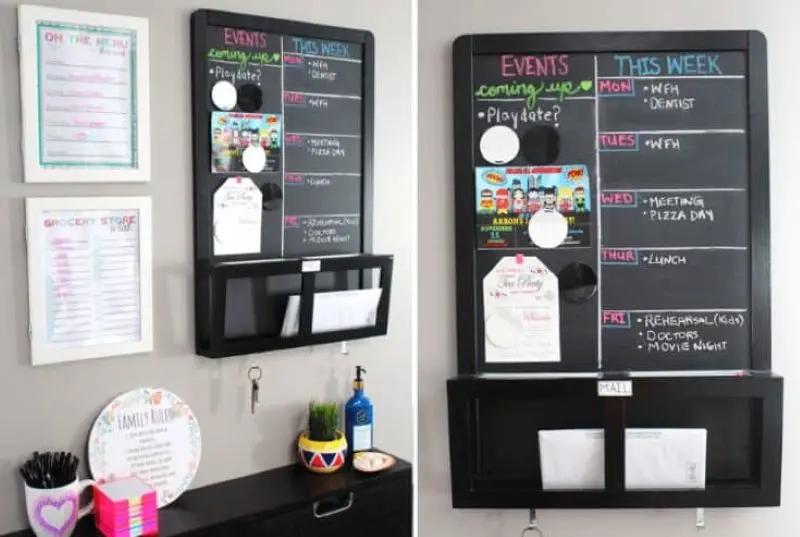
Start with the basics: a sturdy tray for incoming mail, a hook rack for keys and dog leashes, and a shallow bin for daily to‑do notes. Add a magnetic board for quick‑pin reminders and a charging dock that holds every family device in one tidy spot. When choosing flooring for the area, durability matters—look for surfaces that can handle the inevitable foot traffic and occasional spills; Pet‑Friendly Flooring offers both resilience and style, making clean‑up a breeze. Finally, incorporate a small whiteboard or a reusable calendar for visual scheduling, ensuring that the entire household can see what’s coming at a glance.
Multi‑Functional Furniture Ideas to Maximize Small Spaces
If square footage is at a premium, think beyond traditional shelves. A wall‑mounted fold‑out desk can serve as a drop‑in workstation during the day and tuck away when not in use, preserving floor space for a play area or pet bed. Built‑in cubbies that double as shoe storage keep the entryway tidy while providing a place for seasonal footwear; you can even align this with the principles of Seasonal Wardrobe Rotation to store summer sandals in winter and vice versa. Adding a small, lockable compartment for important documents or medication ensures that sensitive items stay out of reach of curious children while remaining easily accessible when needed.
Step‑by‑Step DIY Build: From Sketch to Finished Hub
Begin by measuring the intended wall or floor area, allowing at least 12 inches of clearance for doors and foot traffic. Draft a simple sketch that includes a top shelf, hooks, and a recessed drawer; keep the design modular so you can adjust later as needs evolve. Purchase quality plywood or reclaimed wood for a sustainable build, then cut the pieces to size using a circular saw or have a local shop do the heavy lifting. Assemble the frame with pocket screws, sand edges smooth, and finish with a low‑VOC paint or stain that matches your existing décor. Finally, install the unit securely to studs, attach hooks, and add your chosen accessories—voilà, a custom command center ready for daily use.
Tech Integration Without Overcomplicating the Space
While the command center’s purpose is to simplify, a subtle infusion of technology can amplify its efficiency. Mount a small smart display or voice‑assistant speaker on the side panel to announce calendar events, weather alerts, or traffic updates as you head out the door. If you’ve already invested in home automation, integrate a few IoT switches to control hallway lighting or a nearby plug for charging stations. Remember, the goal is to enhance usability without turning the area into a tangled web of cords and screens; a clean, organized layout ensures that tech remains a helpful assistant rather than a visual clutter.
Maintaining and Evolving Your Command Center Over Time
Like any functional space, the command center benefits from periodic review. Schedule a quarterly “reset” where the family clears out old mail, updates the calendar, and removes any items that no longer belong. As children grow or work schedules shift, adjust the layout—perhaps swapping a toy bin for a briefcase holder or adding a dedicated spot for remote‑learning materials. By treating the hub as a living system rather than a static piece of furniture, you ensure it continues to serve the changing dynamics of your household, keeping the home organized, stress‑free, and ready for whatever comes next.

David MacKinnon is a dynamic freelance writer known for his captivating storytelling and keen insights into the world of technology. With a passion for exploring the intersection of innovation and everyday life, he crafts engaging narratives that not only inform but also inspire his readers.
Related Posts

Smart Window Treatments: The Overlooked Energy Saver
Learn practical tips for choosing, automating, and maintaining window treatments that boost energy s... Read More

Smart Lighting Hacks to Transform Your Home Without Breaking the Bank
Unlock the power of light with practical, budget‑friendly tips that enhance comfort, cut energy co... Read More

Turn Your Home into a Quiet Tech Haven: Everyday Hacks for Comfort and Efficiency
A practical guide to everyday home upgrades—from layered lighting and modular storage to simple ai... Read More
Top Posts

Smart Deck Design: Harnessing Technology, Sustainability, and Flexibility for Modern Outdoor Living
Explore a fresh approach to deck building that blends smart lighting, weather‑responsive features, reclaimed materials, and modular design for a future‑proo...Read More

The Hidden Dangers of Dirty Carpets: A Comprehensive Guide to Eco-Friendly Carpet Cleaning
Dirty carpets can harbor allergens, bacteria, and pollutants that negatively impact indoor air quality. Learn how to prioritize eco-friendly carpet cleaning met...Read More

The Handyman’s Secret Weapon: Building a Flexible, Future‑Proof Toolkit
Learn the essential steps to create a future‑proof handyman toolkit, from core tools and modular add‑ons to smart storage, maintenance routines, and brandin...Read More

Silencing the Garage: Acoustic Design Strategies for a Quiet Home Gym
A step‑by‑step guide shows homeowners how to tackle reverberation, impact noise, and air sealing, turning a noisy garage into a peaceful, high‑performance...Read More
0 Comments
Post Comment
You will need to Login or Register to comment on this post!