
Why Light Is the Unsung Hero of Every Home
When I first swapped out a single flickering fixture in my hallway, the change felt like stepping into a whole new house; the space instantly breathed, and the mood shifted from weary to welcoming. Light, unlike paint or furniture, interacts directly with our nerves, influencing everything from alertness to relaxation, and that invisible power is why savvy homeowners treat illumination as a core design element rather than an afterthought. In this post I’ll walk you through the smartest, most affordable ways to harness that power, so you can feel the difference in every room without needing a professional electrician.
The Science Behind Light and Well‑Being
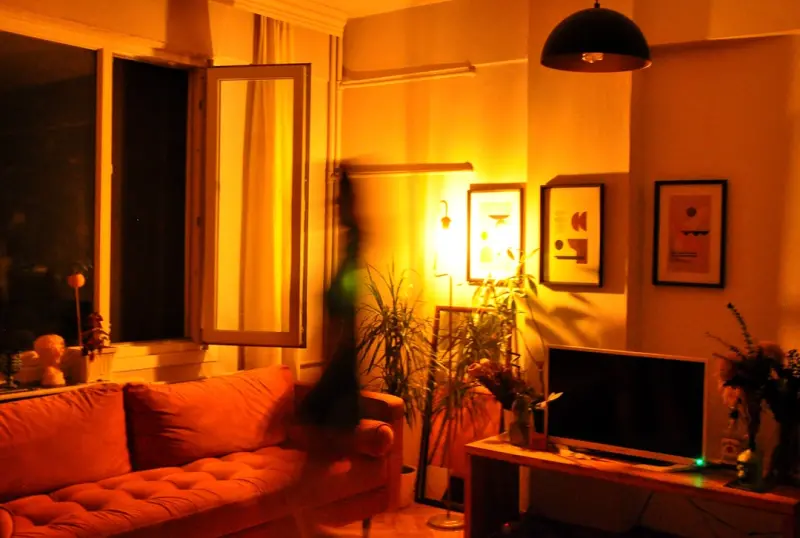
Modern research shows that exposure to the right spectrum of light regulates our circadian rhythm, the internal clock that dictates sleep quality, hormone release, and even metabolism, meaning that strategically placed bulbs can help you unwind after a long day or stay energized during a morning rush. Cool‑white LEDs in workspaces mimic daylight, sharpening focus and boosting productivity, while warm‑toned amber lights in living areas encourage relaxation and conversation, creating a natural flow that mirrors the sun’s own progression. By aligning your lighting plan with these biological cues, you turn ordinary rooms into wellness‑enhancing environments without adding a single piece of furniture.
Choosing Energy‑Smart LEDs That Save Money
The market is flooded with LED options, but not all are created equal; look for bulbs with a high lumen‑to‑watt ratio, a reputable Energy Star rating, and a color temperature that matches the intended use of the space. A 10‑watt LED can produce the same brightness as a 60‑watt incandescent while using less than one‑sixth the electricity, translating into noticeable savings on your utility bill over time. Pair these bulbs with a simple timer or motion sensor, and you’ll cut standby energy use by up to 80 %, turning your lighting system into a silent, cost‑effective ally in the quest for a greener home.
Layering Light: Ambient, Task, and Accent
Think of lighting as a three‑part orchestra: ambient light sets the overall tone, task lighting provides focused illumination for activities like cooking or reading, and accent lighting adds drama by highlighting art, architecture, or decorative pieces. In a well‑layered room, each element supports the others, eliminating harsh shadows while creating visual interest that draws the eye naturally. For example, a recessed ceiling fixture can serve as ambient light, a sleek under‑cabinet strip offers task illumination in the kitchen, and a spotlighted shelf becomes an accent piece that showcases a favorite collection.
Smart Bulbs and Voice‑Controlled Systems
Integrating Wi‑Fi or Zigbee smart bulbs into your lighting scheme puts you in command with a simple voice command or a tap on your phone, allowing you to dim, change color temperature, or set schedules from anywhere. These systems often sync with popular assistants like Alexa or Google Assistant, so you can say “Goodnight” and have every light fade to a low, warm glow while the thermostat drops, creating a seamless bedtime routine. The flexibility also means you can experiment with seasonal palettes—cool blues for a winter vibe or golden hues for a summer soirée—without swapping out hardware.
Budget‑Friendly Upgrades You Can DIY
Before splurting on a full smart‑home overhaul, start with low‑cost upgrades that deliver big impact: replace outdated fixtures with sleek, energy‑efficient models, add dimmer switches to existing circuits, and install plug‑in LED strips behind TVs or under cabinets for subtle, indirect illumination. Here are three quick wins you can tackle this weekend:
- Swap any incandescent bulbs for high‑output LEDs that match your fixture’s shape and size.
- Fit a single‑pole dimmer to your living‑room lamp to create mood lighting without new fixtures.
- Attach adhesive LED tape to the back of a bookshelf to highlight décor while reducing glare.
These steps not only modernize your home’s look but also set the stage for future smart integrations without rewiring your entire electrical system.
Room‑Specific Lighting Strategies
Each area of the house benefits from a tailored lighting recipe: in the kitchen, prioritize bright, shadow‑free task lights directly over countertops to make chopping and cooking safer; in the bedroom, use warm, dimmable fixtures and consider a bedside lamp with a built‑in USB port for late‑night device charging; and in bathrooms, combine moisture‑rated recessed fixtures with a vanity light positioned at eye level to eliminate harsh shadows on the face. By matching the light’s purpose to the room’s function, you enhance both aesthetics and usability, turning everyday chores into pleasant experiences.
Using Light for Security and Curb Appeal
Exterior illumination is often overlooked, yet it plays a crucial role in deterring intruders and welcoming guests; motion‑activated floodlights, timed porch lanterns, and subtle pathway LEDs can create a sense of safety while highlighting architectural features. A well‑lit front entry not only reduces the risk of trips and falls but also boosts your home’s perceived value, making a strong first impression that can influence potential buyers or renters. Pair these outdoor solutions with smart controls to adjust brightness based on sunset times, ensuring you never waste energy while keeping your property secure.
Putting It All Together and Next Steps
By treating light as a dynamic, adaptable element rather than a static fixture, you unlock a world of comfort, efficiency, and style that transforms every corner of your home. Start small—swap out a single bulb, add a dimmer, or experiment with a smart strip—and watch the ripple effect on mood, energy bills, and overall ambiance. When you’re ready to expand the project, consider checking out Handyman Hacks: Building a DIY Workshop for tips on creating a dedicated space to tinker with wiring, mounting fixtures, and mastering the basics of home electrics.

Tom Ferguson is a Canadian freelance writer with a passion for storytelling, current events, and thoughtful commentary. Drawing on years of writing experience, he shares engaging insights on a wide range of topics, bringing a uniquely Canadian perspective to his work.
Related Posts

Unlocking Everyday Comfort: 12 Home Hacks That Actually Work
A seasoned homeowner shares twelve easy, low‑cost tips—from smart lighting to DIY acoustic fixes... Read More
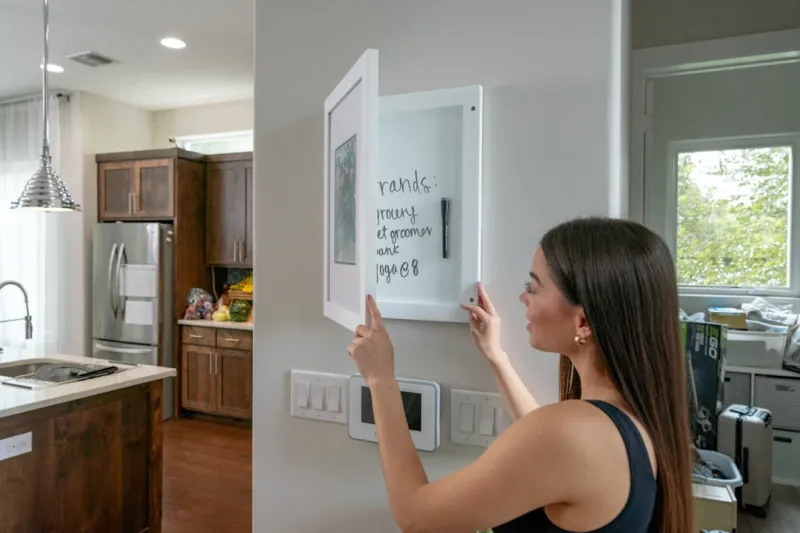
Smart Home Hacks: Simple Tips for a Greener Household
Explore easy, smart upgrades—from lighting and insulation to sustainable decks—that transform an... Read More

Zone‑Crafting at Home: Light, Sound, and Layout Hacks for a More Functional Space
Learn how to transform everyday rooms into purposeful zones with simple lighting, sound, and furnitu... Read More
Top Posts
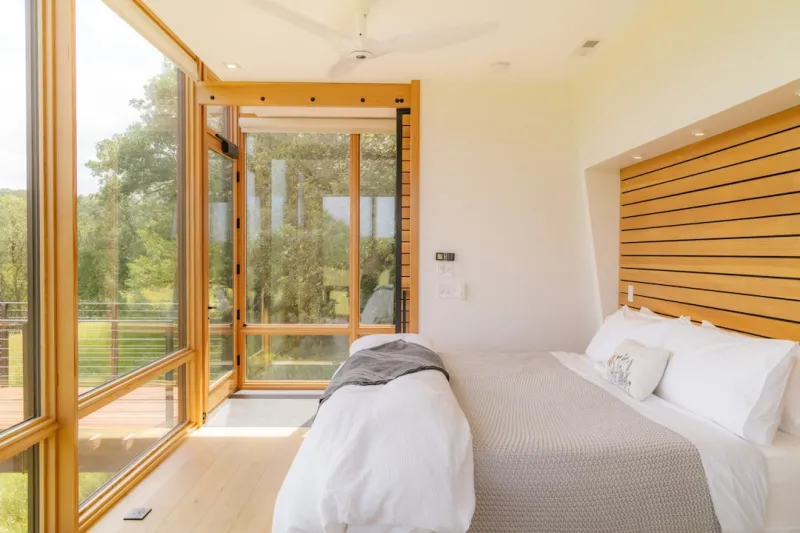
The Modern Homeowner’s Guide to Sustainable Windows and Doors
Explore how high‑performance glazing, smart integrations, and sustainable materials are reshaping windows and doors, with actionable maintenance hacks for las...Read More

Seasonal Weatherproofing: A DIY Playbook for a Resilient Home
Learn how to fortify your house for every season with simple, cost‑effective measures—from window sealing to landscape grading—so storms, drafts, and mois...Read More

Why HVAC Maintenance Is the Secret Weapon for Home Comfort and Savings
Learn why proactive HVAC maintenance is essential for comfort, health, and cost savings, and get a step‑by‑step checklist to keep your system running effici...Read More

The Foundation of Sustainable Construction: Why Energy Inspections Matter
Energy inspections play a vital role in ensuring that buildings are energy-efficient and environmentally responsible. Learn why energy inspections matter in sus...Read More
0 Comments
Post Comment
You will need to Login or Register to comment on this post!