

Smart Window Treatments: The Overlooked Energy Saver
When most homeowners think about cutting utility bills, the conversation quickly jumps to insulation, appliances, or high‑efficiency HVAC systems, yet the windows framing our daily lives often remain the silent culprits of heat loss and gain. By treating those openings with purpose‑driven coverings—whether sleek cellular shades, reflective solar films, or well‑crafted blackout curtains—we can create a dynamic thermal barrier that reacts to the sun’s rhythm, keeping interiors cooler in summer and warmer in winter without sacrificing comfort. The key is to view each window not merely as a view portal but as a performance element that, when tuned correctly, can reduce reliance on mechanical heating and cooling by up to fifteen percent, a figure that translates into noticeable savings on monthly energy statements and a reduced carbon footprint for the household.
Choosing the Right Fabric for Seasonal Shifts
The first decision point revolves around material selection, a choice that balances aesthetics, durability, and thermal performance; for sun‑baked rooms, a light‑colored, tightly woven linen or bamboo blend works wonders by reflecting a portion of solar radiation while still allowing diffused daylight, whereas colder spaces benefit from heavier, insulated fabrics such as thermally‑lined velvet that trap warm air against the glass. Layering is a strategy often overlooked—installing a sheer inner panel to filter glare, topped with a heavier drape that can be drawn closed during the night, creates a versatile system that adapts to daily temperature swings without the need for additional hardware. Pair this approach with a simple habit of closing curtains at sunset, and you’ll notice a measurable dip in heat loss, especially in older homes where window frames lack modern sealing technologies.
Integrating Automated Controls for Seamless Efficiency
Modern smart home ecosystems now include motorized blinds and shades that can be programmed to react to temperature sensors, sunrise‑sunset cycles, or even real‑time electricity pricing, turning what used to be a manual chore into a set‑and‑forget solution that aligns comfort with cost savings. By linking these devices to a central hub—often via Wi‑Fi or Zigbee—homeowners can schedule a “morning rise” where light‑filtering shades open gradually, allowing passive solar heating, then automatically close just before the peak afternoon heat arrives, preventing overheating and the subsequent need for air‑conditioning. The investment in automation pays off quickly; a well‑implemented system can shave several kilowatt‑hours off the monthly electricity consumption, and many utilities even offer rebates for installing energy‑saving window technologies, making the upgrade both environmentally and financially prudent.
Leveraging Reflective Films for a Low‑Maintenance Upgrade
For renters or anyone hesitant about permanent installations, window‑film applications provide a discreet, cost‑effective alternative that adds a reflective coating to the glass surface, reducing solar heat gain without altering the room’s visual appeal; these films come in a variety of tint levels, from subtle silver hues that preserve outward visibility while cutting glare, to darker shades that offer heightened privacy and insulation. Application is straightforward—clean the pane, spray an adhesive solution, and smooth the film with a squeegee, a process that can be completed in an afternoon and reversed without damage when it’s time to move on. Although films do not replace the insulating benefits of heavy drapes, they serve as a valuable first line of defense, particularly in high‑sunlight zones such as south‑facing living rooms or home offices where screen glare can hinder productivity.
Maximizing Natural Light While Controlling Heat
One of the most common misconceptions about window treatments is that they inevitably darken a space, but strategic use of translucent panels, top‑mounted blinds, and adjustable louvers can usher in abundant daylight while still mitigating unwanted heat. For example, installing a set of horizontal blinds at a 45‑degree angle during summer allows sunlight to bounce off the glass and illuminate the room without penetrating deeply enough to raise indoor temperatures. Conversely, during winter, aligning the blinds parallel to the glass maximizes solar gain, letting the sun’s warmth linger longer within the home’s envelope. Pairing these techniques with a modest interior paint palette—perhaps even an energy‑saving wall paint—creates a holistic approach where light, color, and treatment work in concert to enhance both mood and efficiency.
Seasonal Maintenance Routines to Preserve Performance
Just as HVAC filters demand regular replacement, window coverings benefit from a disciplined cleaning schedule that maintains their insulating properties and prolongs their lifespan; dust and grime on fabric or film surfaces can diminish reflectivity, while buildup on blind slats reduces airflow and can cause uneven heat distribution across the pane. A simple routine—vacuuming lightweight curtains weekly, wiping film with a non‑abrasive cleaner monthly, and lubricating motorized mechanisms quarterly—ensures each component operates at peak efficiency. For families with pets or small children, opting for stain‑resistant fabrics or removable panels can further simplify upkeep, turning what could be a tedious chore into a quick, predictable task that fits neatly into a broader home‑care checklist.
Budget-Friendly DIY Enhancements for Immediate Impact
Homeowners eager to see quick savings can start with inexpensive upgrades such as magnetic curtain tie‑backs, which pull drapes tighter against the window during colder months, or magnetic foil sheets placed behind existing blinds to add an extra reflective layer without permanent alteration. Additionally, repurposing everyday items—like attaching a simple tension rod above a window to hang a thermal blanket during winter nights—offers a reversible solution that delivers noticeable insulation benefits for a fraction of the cost of custom treatments. These small, creative interventions not only boost energy performance but also empower residents to take ownership of their environment, fostering a mindset of continual improvement and resourcefulness.
Integrating Storage Solutions for a Clutter‑Free Look
Effective window treatment design goes hand‑in‑hand with thoughtful storage, ensuring that cords, cords, and extra panels stay out of sight and out of mind; custom closets or built‑in cabinets—perhaps inspired by a dynamic storage system—can house seasonal drapes, spare shades, and maintenance tools, preserving the aesthetic flow of each room while keeping functional items within easy reach. By allocating a dedicated drawer or shelf for each window’s accessories, families avoid the common pitfall of tangled cords or misplaced fabrics, streamlining daily routines and reinforcing the tidy, intentional atmosphere that modern home design champions.
Measuring Success: Tracking Energy Savings and Comfort
The final step in any window‑treatment overhaul is to quantify its impact, a practice that not only validates the investment but also uncovers further opportunities for refinement; homeowners can monitor monthly utility bills, compare pre‑ and post‑installation data, and even employ smart thermostats that log temperature fluctuations relative to window positions. Over time, patterns emerge—perhaps a particular room consistently runs hotter, indicating the need for a heavier drape or a more reflective film—and adjustments can be made with precision. By treating window upgrades as an ongoing experiment rather than a one‑time fix, residents cultivate a home environment that evolves with changing seasons, lifestyle demands, and technological advances, ultimately delivering a harmonious blend of comfort, style, and sustainability.

William Roy is a freelance writer originally from Montreal who moved to Ottawa with his wife of 50 years to be closer to their grandkids. Alongside his writing, William has a passion for fishing.
Related Posts

Unlock Hidden Comfort: 7 Everyday Home Tweaks That Boost Wellness and Value
Explore seven affordable, high‑impact adjustments—clean ducts, smart plants, modular storage, da... Read More

Transform Your Home Office into a Productivity Power‑Hub
A step‑by‑step guide to turning any space into a high‑performance home office, covering lighti... Read More

The Importance of Professional Help in Home Maintenance
Maintaining a home can be daunting, but with professional help, homeowners can enjoy a beautiful, fu... Read More
Top Posts
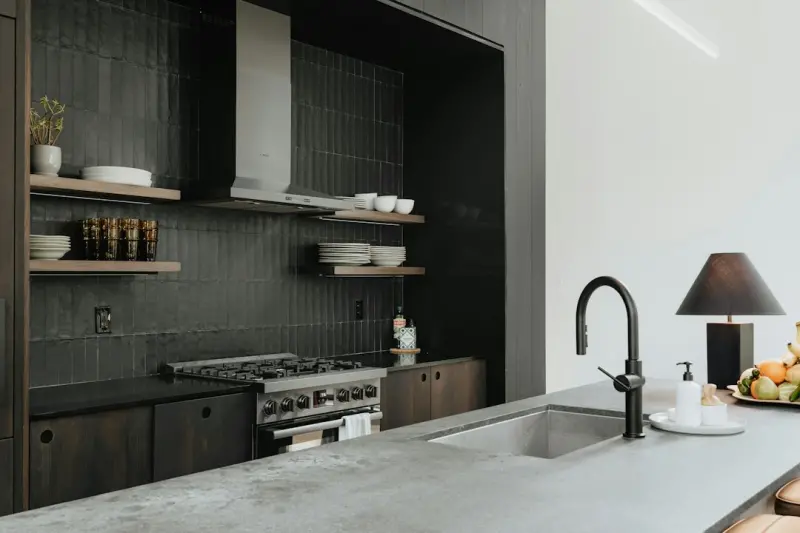
The Rise of Intelligent Countertops: Where Function Meets Future
Countertops are evolving beyond static surfaces into data‑rich, health‑centric, and eco‑friendly platforms. This post explores embedded sensors, antimicro...Read More

The Importance of Sustainable Tree Care Practices
Sustainable tree care practices are essential for maintaining the health of our planet. Learn how to care for your trees in an eco-friendly way and promote biod...Read More

The Impact of Sustainable Practices on Construction Permits
Learn how sustainable practices are revolutionizing the construction industry and impacting construction permits. Get expert insights from Paul Gray on navigati...Read More

Crafting the Perfect Foundation: My Journey as a Construction Expert
A strong foundation is the backbone of any successful build. Learn from a seasoned construction expert on how to craft the perfect foundation, from site evaluat...Read More
0 Comments
Post Comment
You will need to Login or Register to comment on this post!