
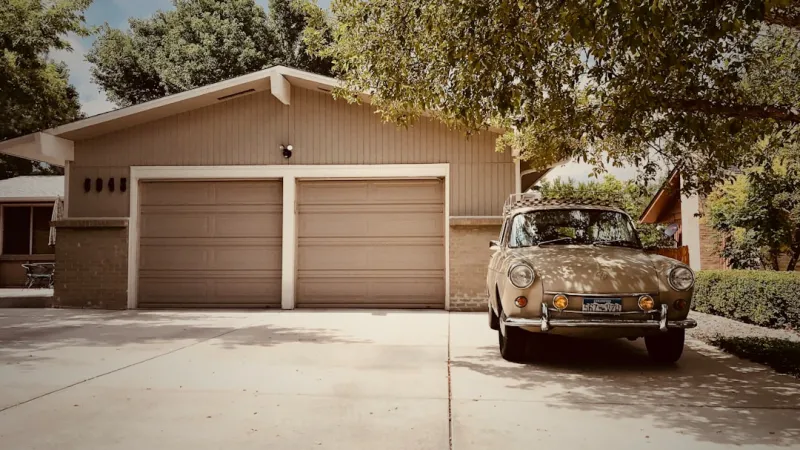
Building the Perfect Garage: A Comprehensive Guide
As a homeowner, having a garage is essential for storing your vehicles, tools, and other equipment. However, building a garage can be a daunting task, especially if you're not familiar with construction. In this article, I'll share my expertise on garage construction, covering everything from planning to execution. Whether you're a seasoned DIY enthusiast or a homeowner looking to hire a contractor, this guide will provide you with valuable insights and practical tips.
When it comes to garage construction, planning is key. Before you start building, you need to determine the purpose of your garage. Will it be used for storage, as a workshop, or as a parking space? This will help you decide on the size, design, and features of your garage. For instance, if you plan to use your garage as a workshop, you may want to consider adding a sink, a workbench, and good lighting. On the other hand, if you plan to use it for storage, you may want to focus on shelving and cabinetry.
Choosing the Right Materials
The materials you choose for your garage construction will depend on your budget, climate, and personal preferences. Some popular options include wood, steel, and concrete. Wood is a traditional choice, offering a natural look and feel. Steel is durable and low-maintenance, while concrete is strong and resistant to weathering. When selecting materials, consider factors such as durability, sustainability, and aesthetic appeal. For example, you may want to choose materials that are resistant to pests and decay, or opt for eco-friendly options like recycled materials.
Designing Your Garage
The design of your garage is crucial to its functionality and appearance. Consider factors such as the size, shape, and style of your garage. You may want to choose a design that complements your home's architecture or opt for a modern, sleek look. Don't forget to consider the layout of your garage, including the location of doors, windows, and storage areas. A well-designed garage can add value to your home and enhance your quality of life. For inspiration, you can check out some of the latest trends in home design, such as sustainable and innovative home additions.
Garage Construction Techniques
When it comes to garage construction, there are several techniques to consider. You may want to opt for a traditional stick-built design or choose a prefabricated garage kit. Another option is to use modular construction, which involves building the garage in sections and assembling them on-site. Each technique has its advantages and disadvantages, so be sure to research and choose the one that best suits your needs. For instance, modular construction can be faster and more efficient, while traditional stick-built designs offer more flexibility and customization options.
Insulation and Climate Control
Insulation and climate control are essential components of garage construction. Proper insulation can help regulate the temperature and reduce energy costs. You may want to consider using insulated panels or adding insulation to the walls and ceiling. Climate control systems, such as heating and cooling units, can also help maintain a comfortable temperature. Don't forget to consider ventilation and lighting, which can impact the overall comfort and functionality of your garage. For more information on climate control and insulation, you can check out our article on smart home renovations.
Safety Considerations
Safety should always be a top priority when it comes to garage construction. Make sure to follow local building codes and regulations, and consider hiring a professional contractor if you're not familiar with construction. Don't forget to install safety features, such as a fire extinguisher, a first aid kit, and a smoke detector. You may also want to consider adding security features, such as a garage door opener with a safety sensor and a home alarm system.
Maintenance and Upkeep
Regular maintenance and upkeep are crucial to extending the life of your garage. Make sure to inspect the roof, walls, and foundation regularly, and perform repairs as needed. Don't forget to clean and lubricate the garage door and other moving parts. You may also want to consider adding a maintenance schedule to ensure that your garage remains in good condition. For more tips on maintenance and upkeep, you can check out our article on expert handyman tips.
Conclusion
Building a garage can be a complex and time-consuming process, but with the right planning and execution, it can be a rewarding experience. By considering factors such as design, materials, and safety, you can create a functional and attractive garage that meets your needs and enhances your home's value. Whether you're a seasoned DIY enthusiast or a homeowner looking to hire a contractor, I hope this guide has provided you with valuable insights and practical tips. Happy building!
Additional Resources
For more information on garage construction and home improvement, be sure to check out our other articles and resources. You can also consult with a professional contractor or builder to get personalized advice and guidance. Remember to always follow local building codes and regulations, and prioritize safety and quality in your construction projects.

Kelly Reynolds is a dynamic freelance writer hailing from the picturesque landscapes of Alberta. A master of the written word, she juggles her passion for storytelling with the exhilarating chaos of being a mother to five spirited children. With an impressive portfolio that spans various genres, Kelly captivates readers through her engaging blog posts and thought-provoking articles.
Related Posts
Turning Your Garage into a Future‑Ready Hub: Smart Design, Sustainability, and Flexibility
A modern garage can do far more than shelter a car. Learn how to construct a future‑ready garage t... Read More

Smart Garage Construction: Building a Future‑Ready Home Hub
A modern garage can be more than a parking spot. Learn how to design a multi‑purpose, energy‑eff... Read More

Reimagining Your Garage: The Ultimate Multi‑Purpose Makeover
Discover how to transform a traditional garage into a versatile, sustainable, and stylish hub—boos... Read More
Top Posts

Beyond the Siren: Crafting a Home Alarm System That Listens to Your Lifestyle
A lifestyle‑first alarm system blends edge intelligence, community alerts, and custom zoning to protect homes without disrupting daily life, turning security ...Read More

Elevate Your Backyard with a Sustainable, Tech‑Ready Deck
A hands‑on guide to crafting a sustainable, technology‑infused deck that balances style, comfort, and budget—turning your backyard into a versatile outdoo...Read More
Why Proactive Property Maintenance Pays Off More Than You Think
A practical guide to turning routine upkeep into a profit‑driving strategy, with seasonal checklists, cost‑saving tips, and real ROI insights for property o...Read More

Restoring Office Furniture: A Strategic Path to Sustainable Growth
Restoring office furniture isn’t just a DIY trend—it’s a strategic lever that reduces expenses, cuts carbon emissions, and reinforces brand values, turnin...Read More
0 Comments
Post Comment
You will need to Login or Register to comment on this post!