
Rethinking Property Care: From Reactive Fixes to Proactive Strategy
Most property owners treat maintenance as a series of emergencies, waiting until a leak, cracked foundation, or broken appliance forces a costly call‑out. Shifting to a proactive mindset transforms those surprise expenses into scheduled, predictable tasks that keep the building’s systems humming smoothly. By mapping out a calendar of inspections, lubrications, and minor replacements, you create a safety net that catches wear before it escalates into failure. This approach not only preserves tenant satisfaction but also builds a reputation for reliability that can command higher rents.
The Financial Logic Behind Preventive Care
When you compare the cost of a tiny pipe replacement to the devastation of a flooded basement, the math becomes crystal clear: early intervention saves thousands. A well‑timed surge protection upgrade can prevent a single electrical fire that would otherwise demand full‑scale rewiring and insurance claims. Moreover, regular upkeep extends the lifespan of major components such as HVAC units, roofing, and plumbing, delaying the need for full replacements and smoothing cash flow for property owners.
Seasonal Checklists: The Backbone of a Proactive Plan
Breaking maintenance into seasonal blocks lets you focus on the tasks most critical for each climate window, turning a daunting annual to‑do list into bite‑size, manageable actions. In the spring, for example, you’ll inspect drainage systems, clear gutters, and test water pressure before the rains arrive. Summer calls for HVAC efficiency checks, insulation inspections, and exterior paint touch‑ups to guard against UV wear. Fall shifts attention to sealing cracks, inspecting roofs, and preparing heating systems, while winter emphasizes freeze‑proofing pipes and verifying fire safety equipment. This cyclical rhythm ensures nothing falls through the cracks.
Spring: Preparing the Property for Moisture and Growth
As temperatures rise, water becomes the most aggressive enemy of a building’s envelope. Start by clearing all downspouts and gutters of debris; clogged channels are a leading cause of foundation seepage. Next, evaluate the grading around the foundation, ensuring the soil slopes away at a minimum of six inches over ten feet to guide runoff. Inspect the exterior walls for cracks, applying sealant where needed to stop moisture infiltration. Finally, test irrigation systems for leaks, because a hidden drip can waste gallons and erode landscaping over time.
Summer: Cooling Efficiency and Exterior Preservation
The heat stresses both mechanical and structural components, making it the perfect season to audit energy performance. Begin with a full HVAC service: replace filters, clean coils, and verify thermostat accuracy to keep cooling costs low. Check attic insulation for compression or gaps, as heat rises and can escape through poorly sealed roofs, inflating utility bills. Exterior woodwork, decks, and fences deserve a protective coating or stain to guard against sun‑induced cracking; a quick sand‑and‑seal session adds years of durability. Don’t forget to inspect the smart fencing electronics for battery health, ensuring any integrated lighting or security sensors remain reliable.
Fall: Shielding Against the Coming Chill
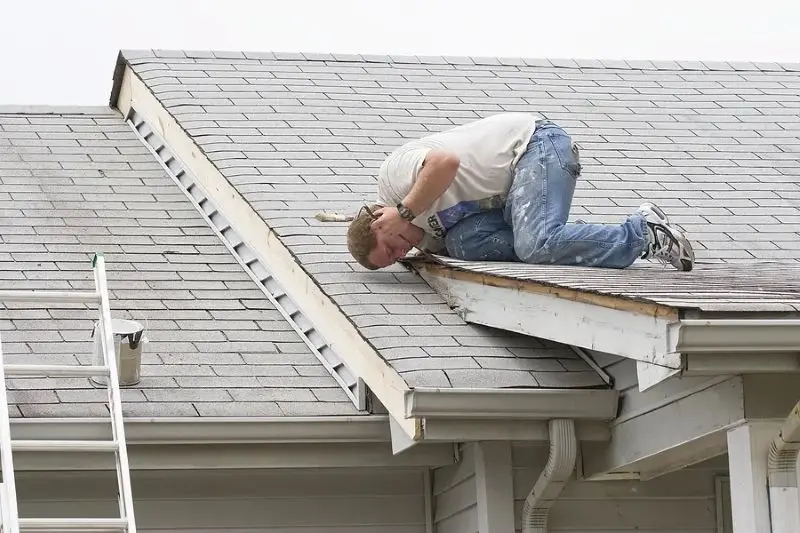
When leaves start to fall, attention turns to sealing the building against cold air and moisture. Conduct a thorough roof inspection, looking for loose shingles, damaged flashing, or moss buildup that can trap water against the deck. Seal any discovered gaps with roofing cement or replace compromised sections before winter storms arrive. Inside, service the furnace or heat pump, cleaning burners and checking venting for blockages to guarantee safe operation. Additionally, examine windows and doors for drafts, applying weatherstripping or low‑E film to improve thermal performance and reduce heating expenses.
Winter: Freeze‑Proofing and Safety Checks
Winter is the ultimate test of a property’s resilience, demanding vigilance against freezing temperatures that can burst pipes and cripple systems. Begin by insulating exposed water lines with foam sleeves and wrapping outdoor faucets with heated covers. Keep the thermostat set no lower than 55°F even when units are vacant to maintain pipe temperature. Test smoke and carbon monoxide detectors, replacing batteries and confirming audible alerts; these devices are lifesavers when heating equipment malfunctions. Finally, clear snow from roof eaves and walkways, preventing ice dams that can leak into the interior and create costly water damage.
Quantifying the ROI: How Small Actions Generate Big Returns
Every preventive task you complete adds a measurable value to the property’s net operating income. For instance, a well‑maintained roof can extend its service life by 10‑15 years, translating into deferred capital expenditures and lower financing costs. Efficient HVAC systems reduce energy consumption by up to 30%, directly boosting cash flow. Moreover, tenants notice the attention to detail, leading to higher renewal rates and fewer vacancy periods. By documenting each maintenance activity, you build a transparent record that can be showcased during property appraisals, reinforcing the narrative that the building is a low‑risk, high‑return investment.

William Roy is a freelance writer originally from Montreal who moved to Ottawa with his wife of 50 years to be closer to their grandkids. Alongside his writing, William has a passion for fishing.
Related Posts
Predictive Maintenance: Turning Property Care into a Strategic Asset
A deep dive into turning property maintenance from reactive repairs into a strategic, data‑driven ... Read More

The Importance of Sustainable Property Maintenance: A Guide to Eco-Friendly Practices
Learn how to prioritize sustainable property maintenance and protect your investment while reducing ... Read More

Sustainable Property Maintenance: Green Strategies That Save Money and Preserve Your Home
Learn how to turn everyday maintenance into eco‑friendly upgrades, from sealing drafts to eco‑sm... Read More
Top Posts

Designing for Neurodiversity: Crafting Calm, Focused Interiors for Every Brain
A deep dive into neuro‑inclusive design reveals how lighting, acoustics, color, texture, and flexible layouts can create homes that support diverse neurologic...Read More

The Importance of Sustainable Lawn Care Practices
Sustainable lawn care practices are essential for promoting a healthy and resilient lawn while protecting the environment. Learn how to adopt sustainable lawn c...Read More

Sunroom Synergy: Turning Light‑Filled Spaces into Business Catalysts
Explore how sunrooms can evolve from decorative add‑ons to data‑driven, revenue‑generating assets through smart glass, biophilic design, and digital twins...Read More

Revamping Your Home's Aesthetic: A Comprehensive Guide to Interior Design
Discover the art of interior design and learn how to revamp your home's aesthetic with our expert guide. Get inspired and create a space that's truly yours....Read More
0 Comments
Post Comment
You will need to Login or Register to comment on this post!