
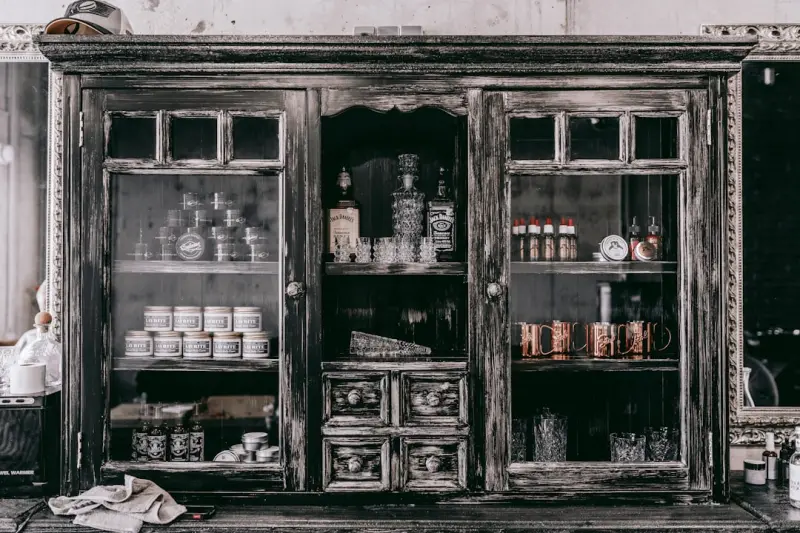
Why Restoring Furniture Is the Hidden Engine of Sustainable Growth
When most CEOs talk about sustainability, they point to energy‑efficient lighting, low‑emission HVAC systems, or carbon‑neutral supply chains. Rarely do they consider the humble office chair or conference table that’s been gathering dust in a storage closet. As someone who has spent the last decade breathing new life into everything from mid‑century modern desks to battered filing cabinets, I can tell you that furniture restoration isn’t just a DIY hobby—it’s a strategic lever that can reshape culture, cut costs, and reinforce brand values.
The Real Cost of Ignoring What’s Already in the Room
Every piece of furniture carries an embedded carbon footprint: the extraction of raw timber, the energy used in machining, the chemicals applied during finishing, and finally the transportation to your office. When you toss a perfectly usable chair because its finish is scuffed, you’re effectively paying that carbon bill twice—once for the original production and once for the replacement. The cumulative effect across a 200‑person office can be staggering.
But the financial impact goes beyond the environment. Replacing a set of ergonomic chairs can run into the tens of thousands of dollars, not to mention the hidden cost of downtime while employees adjust to new seating. By contrast, a well‑executed restoration project can extend the useful life of furniture by 5‑10 years, delivering immediate ROI and freeing up budget for other strategic initiatives.
Restoration as a Brand Storytelling Tool
Today’s buyers and employees crave authenticity. They want to work for companies that practice what they preach. Showcasing a restored conference table in your main meeting space says, “We value craftsmanship, we’re resource‑smart, and we honor the past while building the future.” It’s a narrative that no glossy new‑product brochure can match.
Think of your office as a living museum, where each restored piece tells a chapter of your corporate journey. The original mahogany desk that survived three office moves can become a visual anchor for stories about resilience and adaptation. When visitors sit at that table, they’re not just meeting the leadership team—they’re stepping into a tangible history that reinforces trust.
From DIY to Professional: Choosing the Right Approach
There’s a fine line between a weekend hobbyist project and a professional restoration that adds real value. Here are three criteria I use when deciding whether to roll up my sleeves or bring in a specialist:
- Material Integrity: Solid wood, metal frames, and high‑grade upholstery respond well to professional refinishing. Particleboard or low‑grade laminates often don’t justify the effort.
- Historical Significance: If a piece has provenance—say, it’s a vintage design from a renowned maker—preserving its original finish can boost its perceived value.
- Functional Viability: Restoration should improve ergonomics or durability, not just aesthetics. A chair with a cracked backrest may look fine after a fresh coat, but it still poses a safety risk.
When the answer to any of these questions is “yes,” I partner with a local craftsman who specializes in designing spaces that listen. Their expertise in matching original grain patterns, sourcing period‑appropriate hardware, and applying low‑VOC finishes ensures that the final product aligns with both sustainability goals and brand aesthetics.
Integrating Restored Furniture Into a Modern Workspace
Restoration isn’t a stand‑alone project; it needs to fit within the broader office ecosystem. Here are four ways to make restored pieces work seamlessly with contemporary design trends:
1. Pair With Adaptive Flooring Solutions
Modern work environments demand flexibility. When you combine restored wooden tables with adaptive flooring that can transition from collaborative zones to quiet pods, you create a fluid environment that supports multiple work modes without sacrificing style.
2. Use Color as a Unifier
Choose a muted, neutral palette for walls and floors, then let the restored furniture become the focal point. A deep‑toned walnut desk against a light concrete floor instantly draws the eye, anchoring the space while leaving room for accent pieces that can be swapped out as trends evolve.
3. Integrate Smart Accessories Discreetly
Wireless charging pads, hidden cable management, and subtle sensor‑driven lighting can be retrofitted into restored desks without compromising their vintage charm. The goal is to blend old‑world craftsmanship with 21st‑century functionality.
4. Create Story Corners
Designate a small “story corner” where you display the before‑and‑after photos of a restoration project. Include a brief plaque that explains the process, the materials saved, and the carbon reduction achieved. This not only educates visitors but also reinforces the sustainability narrative for employees.
Measuring Impact: From Carbon Credits to Employee Engagement
To justify restoration initiatives to the C‑suite, you need metrics. Here’s a simple framework I use:
- Carbon Avoided: Calculate the emissions saved by not manufacturing a new piece. Use industry averages for material extraction and production.
- Cost Savings: Compare the restoration budget to the purchase price of a comparable new item, factoring in installation and disposal costs.
- Employee Sentiment: Conduct a short pulse survey after the restored piece is placed in the workspace. Ask about perceived comfort, aesthetic appeal, and alignment with company values.
- Brand Amplification: Track mentions on social media, especially from clients who visit the office and comment on the restored furniture.
These data points can be compiled into a quarterly sustainability report, turning what might seem like a niche project into a quantifiable driver of corporate performance.
Case Study: The Revival of a Mid‑Century Executive Desk
One of my recent projects involved a 1960s executive desk that had been relegated to the attic of a tech startup. The wood was dulled, the drawer pulls were rusted, and the veneer was lifting. Here’s how we turned it into a centerpiece:
- Assessment: We confirmed the desk was made of solid teak, a highly durable and sustainably sourced hardwood.
- Stripping & Sanding: Using non‑abrasive, low‑VOC stripping agents, we removed the old finish without damaging the grain.
- Repair: Cracks were filled with a matching wood filler, and the rusted pulls were replaced with period‑appropriate brass hardware.
- Finishing: A water‑based, matte polyurethane was applied, giving the desk a modern look while preserving its classic character.
- Integration: The desk was positioned in the main conference room, paired with adaptive flooring that could shift between collaborative and quiet configurations.
The outcome? The startup reported a 12% increase in employee satisfaction related to workspace aesthetics, saved $3,200 on furniture procurement, and earned a small carbon credit that was logged in their ESG reporting.
Overcoming Common Objections
“It’ll take too long.” A well‑planned restoration can be completed in a few weeks, especially if you phase the work around low‑traffic periods. The downtime is far less than the lead time for ordering and receiving brand‑new, custom furniture.
“We don’t have in‑house expertise.” That’s precisely why partnering with a reputable restoration studio is valuable. They bring the know‑how, you bring the vision.
“It won’t match our modern aesthetic.” Restoration doesn’t mean preserving every blemish. Modern finishes, subtle color washes, or even reclaimed hardware can bridge the gap between vintage and contemporary.
Future‑Proofing Through Circular Design
Restoring furniture is only one piece of a larger circular economy puzzle. When you adopt a “design for disassembly” mindset for new purchases—choosing modular components, recyclable finishes, and durable materials—you set the stage for future refurbishment cycles. This approach reduces waste, simplifies upgrades, and positions your organization as a leader in responsible design.
Imagine a scenario where every new desk you buy is engineered so that, after ten years, the tabletop can be swapped out while the frame is refurbished and reused. The financial and environmental benefits multiply, creating a virtuous loop that aligns perfectly with long‑term corporate sustainability goals.
Getting Started: A Simple Five‑Step Playbook
- Audit Your Assets: Conduct an inventory of existing furniture, noting condition, material, and historical value.
- Identify High‑Impact Candidates: Prioritize pieces that are structurally sound but aesthetically dated.
- Source a Restoration Partner: Look for craftsmen who specialize in low‑VOC finishes and have a portfolio that matches your brand aesthetic.
- Plan Integration: Coordinate with facilities and interior designers to ensure restored pieces fit within the overall spatial strategy.
- Measure & Communicate: Track carbon avoidance, cost savings, and employee feedback. Share the story internally and externally to amplify impact.
By following these steps, you transform furniture from a static cost center into a dynamic asset that drives sustainability, culture, and financial performance.
Conclusion: The Quiet Revolution Starts With a Chair
Restoration may not make headlines like solar roofs or AI‑driven HVAC, but its ripple effects are profound. Each reclaimed chair, each polished table, is a tangible reminder that sustainability can be woven into the very fabric of everyday work life. When you choose to restore, you’re not just saving money—you’re telling the world that your brand values endurance, craftsmanship, and responsible growth.
If you’ve been looking for a low‑cost, high‑impact project to kickstart your sustainability agenda, start by opening that storage closet and pulling out the forgotten furniture. The transformation you’ll witness will be as much about the people who sit at those pieces as it is about the wood and metal themselves.

Craig Brett is a freelancer with a passion for the outdoors. His love for nature inspires his work, bringing authentic and engaging perspectives to projects related to outdoor activities, adventure, and environmental topics.
Related Posts

The Quiet Revolution: Why Personal Storytelling Is the New Frontier in Furniture Restoration
Explore a fresh perspective on furniture restoration that prioritizes the hidden histories of each p... Read More
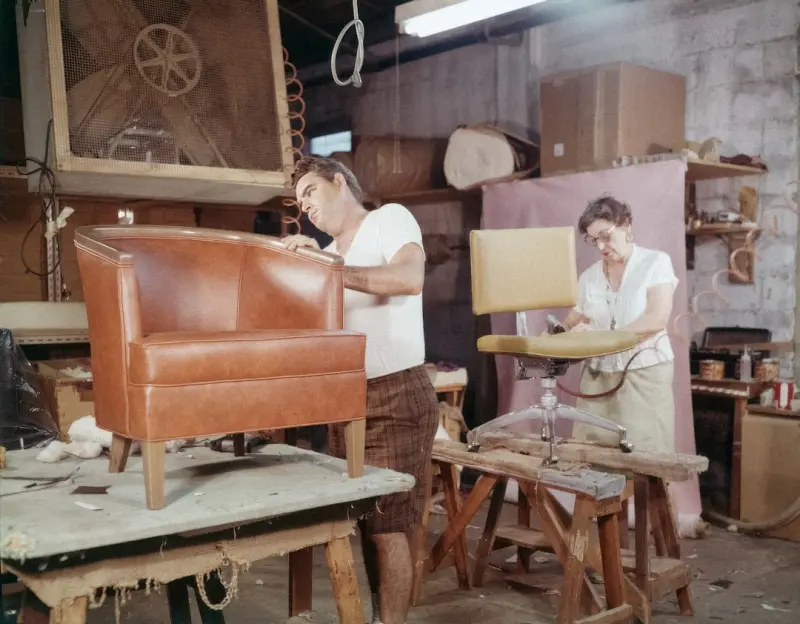
From Dusty Attic Finds to Centerpiece Statements: A Modern Guide to Furniture Restoration
Explore a fresh approach to furniture restoration that blends traditional craft with low‑tech tool... Read More

Reviving Forgotten Furniture: A Hands‑On Guide
A hands‑on journey into furniture restoration, covering assessment, repair, finishing, and sustain... Read More
Top Posts
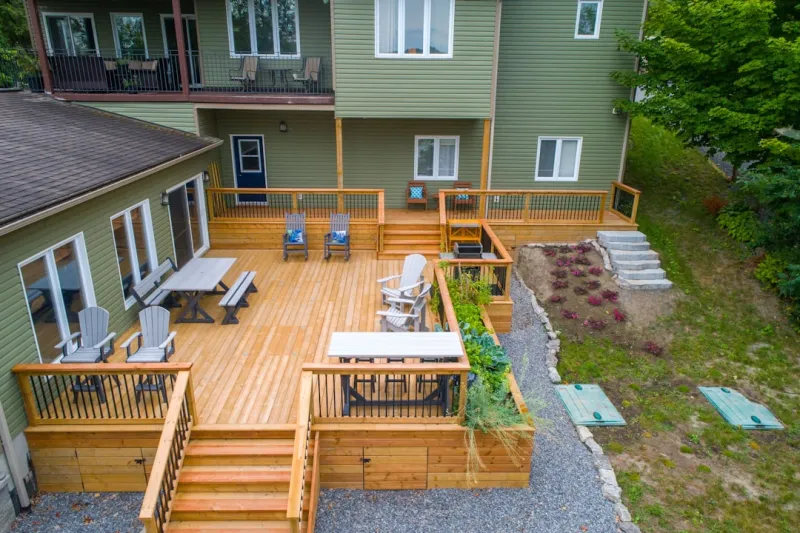
Elevate Your Outdoor Space: The Ultimate Deck Design Guide
Create a stunning outdoor oasis with our ultimate deck design guide. Learn about materials, design essentials, and smart home technology to elevate your outdoor...Read More
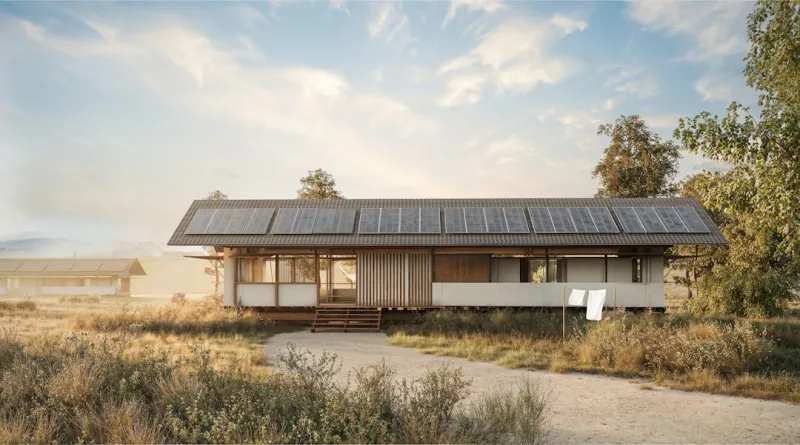
The Rise of Sunrooms: A Sustainable Solution for Modern Homes
Sunrooms are a sustainable solution for modern homes, providing a bright and airy space to relax and entertain while minimizing environmental impact. Learn how ...Read More

Build a Portable DIY Home Repair Kit That Saves Time and Money
A hands‑on guide to creating a portable DIY repair kit, packed with the right tools, smart organization, and quick fixes for common household issues....Read More
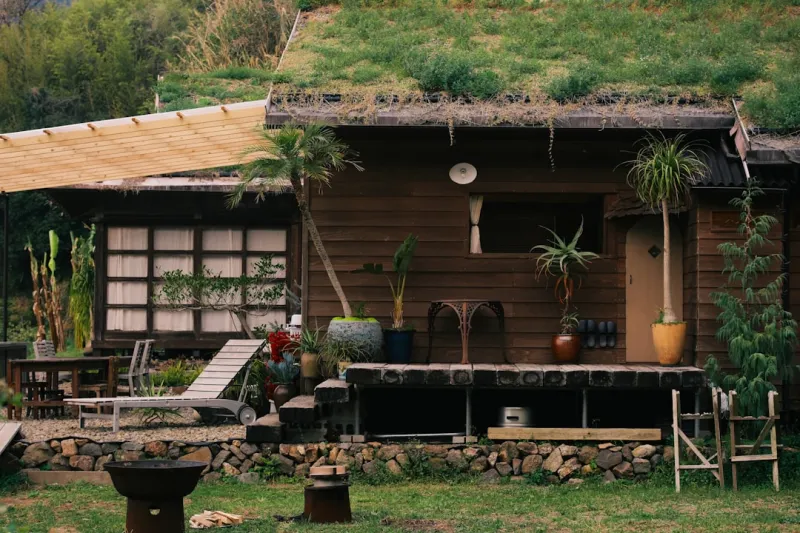
The Future of Design Build: Sustainable Outdoor Spaces Take Center Stage
Sustainable outdoor spaces are no longer just a nicety, but a necessity in modern design build. Learn how to incorporate eco-friendly materials, energy-efficien...Read More
0 Comments
Post Comment
You will need to Login or Register to comment on this post!