

Why Concrete Is Finally Getting a Climate Makeover
Concrete has been the quiet workhorse of our built environment for centuries—strong, cheap, and, let’s be honest, a bit boring. Yet the very qualities that made it indispensable also turned it into a carbon monster, accounting for roughly 8 % of global CO₂ emissions. As cities scramble to meet aggressive climate goals, the industry is undergoing a seismic shift. The new mantra? Not just “less carbon,” but negative carbon. In other words, the concrete we pour today could actually remove more CO₂ from the atmosphere than it emits during production.
The Science Behind Carbon‑Negative Concrete
At its core, concrete is a blend of cement, aggregates (sand, gravel), water, and often supplementary materials. The culprit is ordinary Portland cement (OPC), which releases massive amounts of CO₂ when limestone (calcium carbonate) is heated to 1,450 °C. To flip the script, innovators are attacking the problem from three angles:
- Replacing OPC with low‑carbon binders. Materials such as fly ash, slag, and calcined clays can substitute a significant portion of cement, slashing emissions by up to 70 %.
- Embedding carbon‑capture technology. During curing, certain chemical additives cause concrete to absorb CO₂ through a process called mineral carbonation, effectively turning the slab into a carbon sponge.
- Utilizing waste streams as aggregates. Recycled glass, crushed concrete, and even plastic fibers not only divert landfill material but also reduce the need for virgin sand and gravel.
When these strategies are combined, the net carbon balance can tip into the negative. One emerging mix, dubbed “CarbonCure,” injects captured CO₂ into the concrete’s slurry, where it reacts with calcium ions to form stable calcium carbonate crystals. The result? A stronger product that has sequestered CO₂ instead of releasing it.
From Lab to Site: Real‑World Deployments
Early adopters are already proving that carbon‑negative concrete can stand up to the toughest demands. In a landmark project, a Canadian highway stretch was built using a 30 % OPC substitution blend with recycled aggregates. Not only did the roadway meet all durability standards, it recorded a 25 % reduction in lifecycle emissions compared to a conventional build.
Meanwhile, a digital twin energy inspection platform is being paired with these new mixes. Sensors embedded in the slab feed real‑time data into a virtual model, allowing engineers to monitor carbonation rates, moisture levels, and structural health throughout the concrete’s life. This feedback loop ensures the carbon‑sequestering reactions are proceeding as intended and helps pinpoint any performance hiccups before they become costly repairs.
Design Freedom: 3D‑Printed Concrete and Custom Geometry
When you start treating concrete as a carbon sink, you also open the door to more adventurous design. 3D‑printing technology can deposit the mix layer‑by‑layer, creating organic forms that would be impossible with traditional formwork. Because the printed material can be fine‑tuned on‑the‑fly, engineers can increase the proportion of low‑carbon binders in non‑structural zones while reserving higher‑strength OPC where needed.
This approach not only reduces waste but also cuts labor costs. A recent pilot in a European university campus printed a series of benches and planters using a bio‑based binder derived from agricultural waste. The resulting pieces were lightweight, highly durable, and—most importantly—carbon‑negative by the time they were installed.
Recycling the Old: Upcycling Demolished Concrete
Concrete demolition has traditionally been a landfill nightmare. However, advances in crushing technology now allow old slabs to be milled into recycled concrete aggregate (RCA) that can replace up to 50 % of virgin aggregates in new mixes. When combined with carbon‑capturing binders, this creates a virtuous cycle: the more we recycle, the less new cement we need, and the more CO₂ we can lock away.
For developers worried about potential performance trade‑offs, the good news is that modern RCA can be treated with surface‑coating agents that restore the particle’s angularity, ensuring excellent bonding with the new cement paste. In practice, buildings constructed with RCA‑enhanced mixes have shown comparable compressive strength and even improved resistance to freeze‑thaw cycles.
Economic Incentives: Turning Green Into Gold
Beyond the environmental bragging rights, carbon‑negative concrete is beginning to make financial sense. Many municipalities now offer tax credits for projects that achieve verified emissions reductions. Additionally, the holistic blueprint for smarter foundation repair approach integrates carbon‑negative mixes with predictive maintenance, extending service life and lowering long‑term ownership costs.
Contractors can also tap into emerging carbon‑offset markets. By documenting the amount of CO₂ sequestered in a building’s concrete, owners can generate tradable carbon credits, creating an additional revenue stream that offsets material costs.
Barriers to Adoption and How to Overcome Them
Despite the excitement, several hurdles still stand in the way of widespread uptake:
- Supply chain maturity. Low‑carbon binders and waste‑derived aggregates are not yet as widely available as OPC, leading to higher upfront costs.
- Code compliance. Many building codes still reference traditional mix designs, requiring additional testing and certification for new formulations.
- Knowledge gaps. Designers and contractors need education on performance characteristics, handling, and curing protocols.
Addressing these challenges calls for a coordinated effort. Industry groups can publish standardized test methods, while manufacturers can create pre‑qualified mix kits that simplify ordering. Educational webinars—like the ones I host quarterly—help demystify the technology and showcase success stories.
Future Outlook: Concrete as a Climate Service Platform
Imagine a future where every concrete slab is not just a static structure, but an active participant in a city’s climate strategy. Integrated sensors could continuously feed data to a municipal dashboard, showing how much CO₂ each building has sequestered, flagging potential structural issues, and even adjusting heating or cooling systems based on thermal mass performance.
Such a vision aligns with the broader concept of “smart cities,” where infrastructure is both resilient and regenerative. By embedding carbon‑negative concrete into this ecosystem, we transform a legacy pollutant into a climate service platform—one that cleans the air while supporting the very foundations of our daily lives.
Practical Steps for Builders Ready to Go Green
If you’re a contractor, architect, or developer curious about making the switch, start with these actionable steps:
- Audit your current mix. Identify the proportion of OPC and explore low‑carbon alternatives that can replace at least 30 % of the binder.
- Partner with a certified carbon‑capture supplier. Companies like CarbonCure or Solidia offer on‑site injection systems that integrate seamlessly with standard batching equipment.
- Incorporate recycled aggregates. Source RCA from reputable demolition contractors and run trial mixes to verify strength and workability.
- Leverage digital monitoring. Deploy sensors and connect them to a digital twin energy inspection platform to track carbonation progress and structural health.
- Document and certify. Use third‑party verification services to quantify CO₂ sequestration, enabling you to claim carbon credits and meet green building certifications.
These steps may seem incremental, but they compound quickly. A single project that sequesters 200 tons of CO₂ can offset the emissions of dozens of conventional builds, setting a powerful precedent for the industry.
Conclusion: Concrete’s Second Act
The narrative around concrete is finally catching up with reality. No longer a silent polluter, it is poised to become a proactive climate ally—absorbing carbon, recycling waste, and feeding data back into the digital fabric of our cities. As we refine the chemistry, scale the production, and embed smart monitoring, the humble slab will earn a starring role in the story of sustainable development.
For anyone watching the intersection of construction and climate, the takeaway is simple: the next generation of concrete isn’t just stronger or more durable; it’s regenerative. And that, my friends, is a trend worth building on.

William Roy is a freelance writer originally from Montreal who moved to Ottawa with his wife of 50 years to be closer to their grandkids. Alongside his writing, William has a passion for fishing.
Related Posts
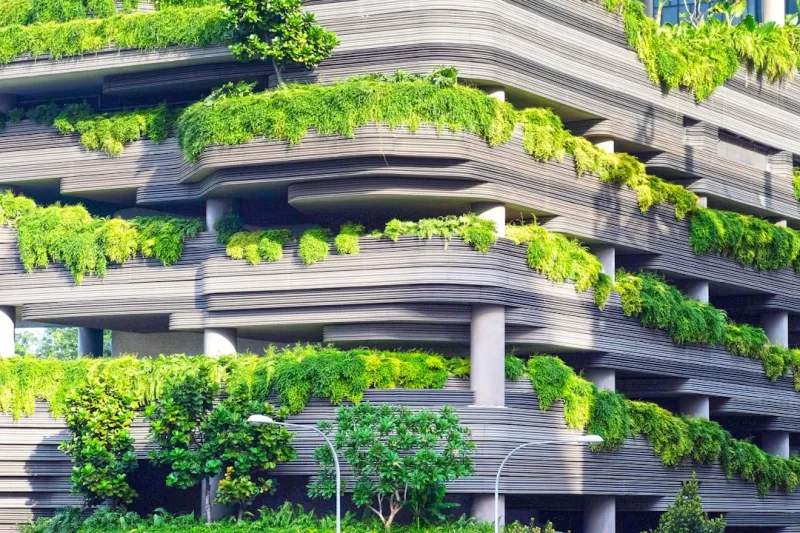
Concrete Trends and Sustainable Strategies for the Modern Home
Discover how modern concrete techniques blend durability with sustainability, from eco‑friendly mi... Read More
Concrete as a Quiet Architect of Sustainable Spaces
Discover concrete’s untapped potential beyond strength—learn how low‑carbon mixes, embedded se... Read More

Concrete Creations: Turning Slabs into Stories
Discover the hidden artistry of concrete—from historic roots to modern DIY projects—showcasing s... Read More
Top Posts
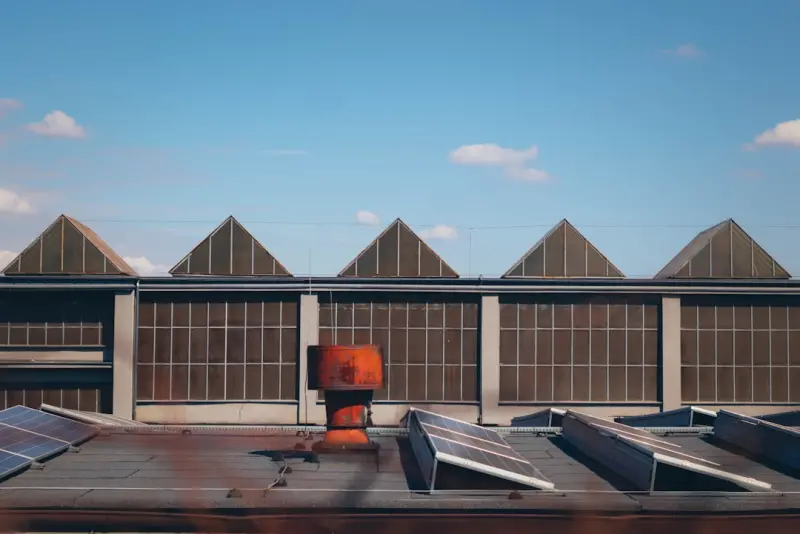
How Smart Sensors Are Turning Roofs into Predictive Assets
Roofing is evolving from a static shield to a data‑rich system. Learn how smart sensors monitor temperature, humidity, and vibrations to predict problems befo...Read More

AI‑Powered Closets: Turning Wardrobe Space into a Competitive Asset
AI‑powered closets turn simple storage into a strategic asset by using IoT sensors and predictive analytics to cut labor costs, reduce shrinkage, and integrat...Read More
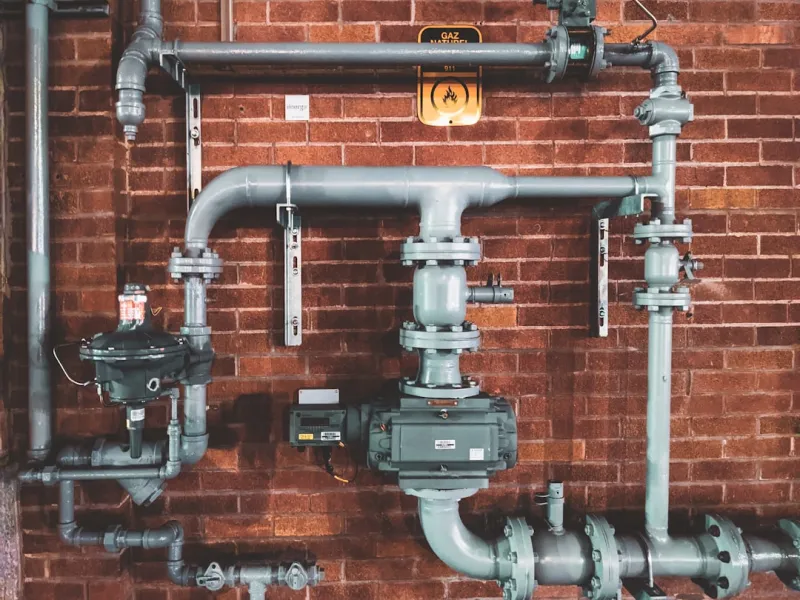
The Importance of Regular Plumbing Maintenance
Regular plumbing maintenance is crucial for homeowners to prevent costly repairs, ensure efficient water usage, and maintain a healthy living environment. Learn...Read More
Flooring Fundamentals: Sustainable Choices, Health Benefits, and Smart Design
Explore sustainable flooring materials, health‑focused finishes, and design tricks that enhance comfort, style, and resale value—all underfoot....Read More
0 Comments
Post Comment
You will need to Login or Register to comment on this post!