
Why Concrete Deserves a Spot on Your Design Wishlist
When I first stepped onto a polished slab in a minimalist loft, I felt the cool, steady presence of concrete and realized it was more than just a structural backbone—it was a silent storyteller that could shape moods, define textures, and anchor creativity. Concrete’s versatility allows it to be as subtle as a whispered gray whisper in a living room or as bold as a sculptural monolith in a garden, and that duality makes it uniquely appealing for homeowners who crave both durability and artistic flair. I’ve spent years watching trends rise and fall, and the one constant that never disappoints is the raw, honest beauty of a well‑finished concrete surface, which invites us to reimagine everyday spaces as canvases for personal expression.
From Ancient Roman Aqueducts to Modern Masterpieces
Historically, concrete has been the backbone of civilization, from the awe‑inspiring arches of the Pantheon to the sturdy foundations of medieval castles, proving that longevity and aesthetic potential can coexist in a single material. Today’s architects and designers reinterpret that legacy by layering pigments, textures, and forms, turning what once was purely utilitarian into a dynamic element that can echo history while speaking to contemporary sensibilities. Understanding this lineage helps us appreciate why concrete, once hidden behind walls, now steps forward as a celebrated design hero that bridges past ingenuity with present-day innovation.
Decorative Techniques That Transform Plain Slabs
One of the most exciting aspects of working with concrete is the palette of decorative techniques that turn a simple slab into a work of art, including stamping, staining, and the strategic use of integral pigments that become part of the material itself. Stamping replicates the look of stone, brick, or wood with remarkable fidelity, while staining offers a spectrum of translucent hues that deepen over time, creating a living surface that evolves with exposure to light and foot traffic. By combining these methods, designers can achieve bespoke patterns that reflect a homeowner’s personality, from subtle, earth‑tone mosaics to vibrant, geometric bursts that command attention.
Seamlessly Blending Indoor and Outdoor Living
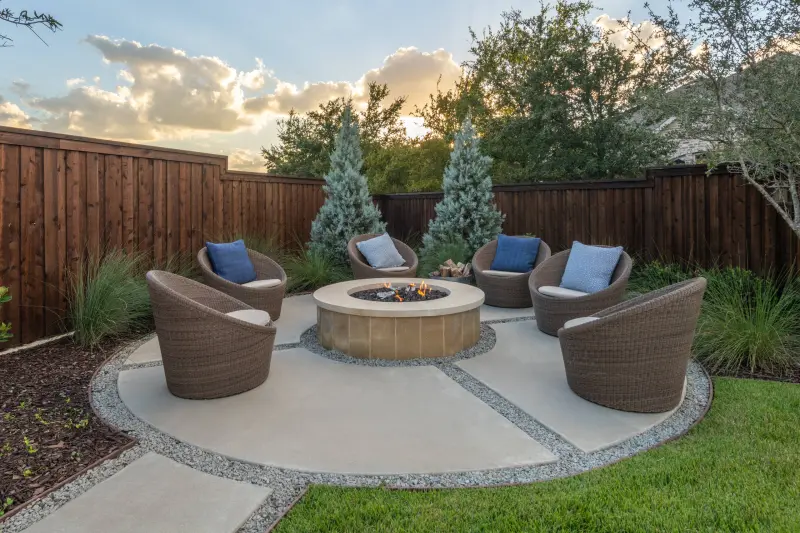
Concrete excels at erasing the boundary between indoor comfort and outdoor freedom, especially when paired with thoughtful landscaping and architectural details that invite seamless flow. Imagine a kitchen island that extends onto a patio, the same poured surface guiding you from the hearth to a fire‑pit lounge, each transition reinforced by consistent material language that unifies the experience. This continuity not only enhances visual harmony but also simplifies maintenance, as a single material can be sealed, cleaned, and protected using the same care routine throughout the home.
Sustainability in Every Mix: Recycled Aggregates and Low‑Carbon Options
Beyond its aesthetic merits, concrete offers tangible environmental benefits when sourced responsibly, such as using recycled aggregates from demolition waste or incorporating supplementary cementitious materials like fly ash and slag that significantly lower carbon footprints. These green mixes retain the structural integrity homeowners rely on while reducing the embodied energy associated with traditional Portland cement, making them a smart choice for eco‑conscious renovations. For those looking to expand their sustainable footprint beyond the walls, consider how a responsibly sourced concrete patio can complement an Elevate Your Backyard with a Sustainable, Tech‑Ready Deck project, creating a cohesive, low‑impact outdoor oasis.
DIY Concrete Projects That Empower Homeowners
Embarking on a concrete DIY venture can feel daunting, but with the right preparation, tools, and confidence, even novice makers can create stunning features that rival professional installations. Start by selecting a high‑quality mix designed for the intended application—whether it’s a thin‑set overlay for a countertop or a robust pour for a garden stepping stone—followed by meticulous formwork, vibration, and curing practices that ensure strength and finish quality. By embracing a hands‑on approach, homeowners not only save on labor costs but also forge a deeper connection to their spaces, turning ordinary projects into personal milestones.
Collaborating with Artisans: Concrete as a Living Canvas
When concrete meets the imagination of skilled artisans, the result can be breathtaking—think hand‑carved reliefs embedded in slabs, intricate inlays of reclaimed glass, or kinetic installations that respond to wind and light. These collaborations push the material beyond its conventional limits, inviting homeowners to curate bespoke art pieces that are integral to the architecture rather than mere decorative add‑ons. By commissioning such works, you infuse your environment with narrative depth, ensuring that each glance at a concrete wall or floor reveals a new layer of story and craftsmanship.
Practical Care: Maintenance, Sealing, and Longevity
To preserve the beauty and performance of concrete over years, regular maintenance is essential, beginning with a gentle cleaning routine that removes dirt without compromising the sealant. Applying a high‑quality penetrating sealer not only enhances color depth but also creates a barrier against stains, freeze‑thaw cycles, and UV degradation, extending the material’s lifespan while reducing the need for costly repairs. For those who enjoy outdoor living, pairing concrete surfaces with a thoughtfully designed Smart Fencing: Merging Design, Sustainability, and IoT for the Modern Home can provide both aesthetic continuity and functional protection, creating a harmonious environment where form and function coexist.
Looking Ahead: Experimentation as the New Norm
The future of concrete lies in the willingness of homeowners and designers to experiment, blending traditional techniques with emerging technologies such as 3‑D printed molds, bio‑based additives, and embedded sensors that monitor structural health. By staying curious and embracing the material’s limitless potential, we can continue to redefine spaces that are resilient, beautiful, and deeply personal. So next time you consider a renovation, think beyond paint and tile—let concrete be the canvas upon which your next chapter is written, inviting endless possibilities for creativity and sustainability.

When it comes to the world of blogging and writing, Rose DesRochers is a name that stands out. Her passion for creating quality content and connecting with her audience has made her a trusted voice in the industry. Aside from her skills as a writer and blogger, Rose is also known for her compassionate nature.
Related Posts
Carbon‑Negative Concrete: Buildings as Climate Heroes
Concrete is evolving from a gray, static material into a climate ally. This post dives into carbonâ€... Read More

The Evolution of Concrete: A Sustainable Path Forward
The concrete industry is transforming with a focus on sustainability. Learn about the evolution of c... Read More
Concrete as a Creative Canvas: Transforming Spaces with Sustainable Style
Explore the artistic side of concrete, from stamping and staining to eco‑friendly mixes, and learn... Read More
Top Posts

When Walls Whisper: Harnessing Acoustic Plaster for Healthier Spaces
Acoustic plaster blends timeless craftsmanship with modern sound‑absorbing technology, offering an elegant solution to noisy workspaces and homes while suppor...Read More

The Foundation of Sustainable Construction: Why Energy Inspections Matter
Energy inspections play a vital role in sustainable construction, identifying areas of energy inefficiency and optimizing energy consumption. Learn why they're ...Read More

Turn Your Home into a Quiet Tech Haven: Everyday Hacks for Comfort and Efficiency
A practical guide to everyday home upgrades—from layered lighting and modular storage to simple air‑quality sensors—offering low‑cost, tech‑savvy hack...Read More

Sustainable Appliance Repair: Extending Lifespan and Cutting Waste
Discover how a sustainable approach to appliance repair—using predictive diagnostics, modern tools, and community hubs—can extend device lifespans, cut cost...Read More
0 Comments
Post Comment
You will need to Login or Register to comment on this post!