
Why Concrete Still Rules the Home Improvement World
When I first rolled a fresh slab in my garage renovation, the unmistakable scent of wet cement sparked a nostalgic thrill that still drives my projects today. Concrete’s unmatched durability makes it the backbone of both modern construction and retro‑chic design, allowing homeowners to blend industrial grit with refined elegance without sacrificing structural integrity. Over the past decade, the material has evolved beyond gray monotony, embracing pigments, aggregates, and surface treatments that transform a simple floor into a statement piece, and this versatility keeps concrete at the forefront of trending home upgrades.
From Cracks to Green: Sustainable Concrete Practices
My hands‑on journey from cracked driveways to sustainable pavements taught me that concrete doesn’t have to be an environmental villain; in fact, it can be a champion of eco‑friendly design when approached wisely. By incorporating recycled aggregates, fly ash, and low‑carbon cement alternatives, builders can slash the embodied carbon of each cubic yard while maintaining the material’s renowned strength. Moreover, sealing and proper joint placement extend a slab’s lifespan, reducing the need for premature demolition—a principle I explore in detail in my post From Cracked Driveways to Sustainable Pavements. Pairing these practices with thoughtful drainage design also mitigates water runoff, turning a simple patio into a responsible component of a resilient landscape.
Concrete Trends That Are Shaping Outdoor Living
Outdoor spaces have become extensions of the home, and concrete is the silent workhorse behind many of today’s most Instagram‑worthy patios, fire pits, and pool decks. Textured stamping, exposed aggregate finishes, and bold color stains now allow designers to mimic natural stone, wood, or even terrazzo, all while preserving concrete’s low‑maintenance charm. Seasonal adaptability is also key; integrating radiant‑floor heating beneath a concrete deck creates a year‑round oasis that feels warm underfoot even on crisp evenings. For inspiration on crafting a climate‑proof backyard, see my guide Creating a Year‑Round Outdoor Oasis, where I blend these trends with sustainable plantings and smart lighting.
DIY Concrete Projects That Add Value
One of the most rewarding aspects of concrete work is the ability to tackle high‑impact projects without a crew of specialists, provided you respect the material’s quirks. Simple endeavors like a polished concrete coffee table, a stamped garden stepping stone, or a custom‑molded planter can boost curb appeal and resale value dramatically. The secret lies in meticulous preparation: a clean, level sub‑base, proper curing compounds, and patience during the drying phase. I’ve found that using a high‑quality concrete mix paired with a fiber‑reinforced additive prevents cracking and ensures a smooth finish, turning a weekend hobby into a long‑lasting asset for any homeowner.
How to Blend Aesthetics and Durability
Balancing beauty with toughness is a dance that concrete designers have perfected through innovative finishes and protective sealers. While a glossy polish showcases the material’s innate sheen, a matte micro‑topping can hide surface imperfections and provide a slip‑resistant surface ideal for poolside areas. Incorporating decorative glass chips or recycled rubber granules adds visual intrigue and can improve the slab’s flexural strength, a boon for high‑traffic zones. When I experimented with a subtle gray‑blue dye on my patio, the resulting hue complemented the surrounding foliage while the sealed surface repelled stains, proving that aesthetic finesse does not have to compromise durability.
Maintenance Myths Debunked
Many homeowners avoid concrete because they believe it requires relentless upkeep, yet the truth is far more forgiving. A well‑cured slab with a high‑quality sealer typically needs only an annual wash and a fresh coat of sealant every three to five years to retain its resistance to moisture and oil penetration. Contrary to popular myth, concrete does not need constant polishing; in fact, over‑polishing can thin the protective layer and expose the underlying matrix to wear. Regular inspection of expansion joints and prompt repair of minor cracks with epoxy fillers prevent water intrusion, ensuring the slab remains both functional and visually appealing for decades.
Integrating Concrete with Energy‑Smart Homes
Concrete’s thermal mass makes it a natural ally for energy‑efficient homes, absorbing heat during sunny periods and releasing it when temperatures dip, thereby stabilizing indoor climate without excessive HVAC usage. Pairing a slab‑on‑grade foundation with radiant floor heating creates a synergistic system that lowers energy bills while delivering plush comfort underfoot. In my recent renovation, I embedded low‑voltage heating cables beneath a concrete kitchen floor, linking them to a smart thermostat that adjusts output based on real‑time occupancy data—a setup that aligns perfectly with the principles outlined in The Hidden Power of Energy Inspections. This integration showcases how concrete can be more than a static material; it becomes an active participant in a home’s sustainability strategy.
Future‑Proofing Your Property with Smart Concrete
Emerging technologies are turning ordinary concrete into a responsive, data‑gathering surface, a concept I’m excited to watch unfold. Embedded sensors can monitor strain, temperature, and moisture levels, alerting owners to potential structural issues before they become costly repairs. Additionally, photocatalytic additives enable concrete to break down airborne pollutants, contributing to healthier indoor air quality when used in interior flooring. As smart home ecosystems mature, integrating these sensor‑enhanced slabs with voice‑activated platforms will allow homeowners to query the health of their foundation with a simple command, ensuring that concrete remains a forward‑looking, low‑maintenance choice for the next generation of dwellings.
Bottom Line: Concrete as a Sustainable Investment
From its low‑maintenance nature to its capacity for green innovation, concrete stands out as a cornerstone of sustainable home design that pays dividends both aesthetically and financially. Whether you’re renovating a kitchen, crafting an outdoor retreat, or simply reinforcing a driveway, the material’s adaptability lets you tailor each project to your personal style while meeting modern environmental standards. Embracing recycled mixes, smart heating integration, and protective finishes transforms a traditional slab into a resilient, energy‑smart asset that will serve your family for decades. In the end, the decision to invest in concrete isn’t just about durability—it’s about building a legacy of thoughtful, eco‑conscious living.

William Roy is a freelance writer originally from Montreal who moved to Ottawa with his wife of 50 years to be closer to their grandkids. Alongside his writing, William has a passion for fishing.
Related Posts
Concrete as a Quiet Architect of Sustainable Spaces
Discover concrete’s untapped potential beyond strength—learn how low‑carbon mixes, embedded se... Read More
Concrete’s Quiet Revolution: From Monolithic Gray to Adaptive Urban Skin
Concrete can do more than hold up buildings; by embedding sensors, self‑healing bacteria, photovol... Read More
Concrete’s Quiet Revolution: How Modern Mixes, Modular Pods, and Smart Sensors Are Changing Homebuilding
Explore the transformative power of modern concrete—from ultra‑strong mixes and modular construc... Read More
Top Posts
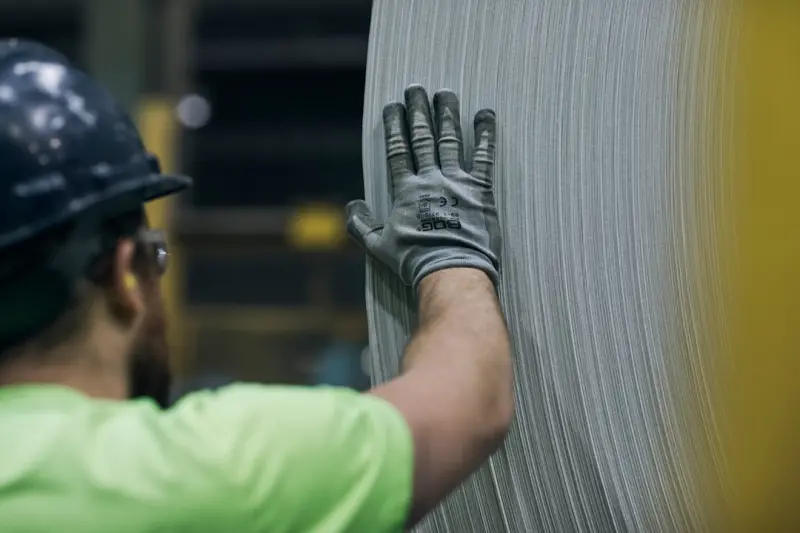
Building with Integrity: How Traceable Materials are Shaping the Future of Home Construction
A deep dive into material traceability shows why knowing the origin, carbon impact, and end‑of‑life path of every building component is now essential for bu...Read More
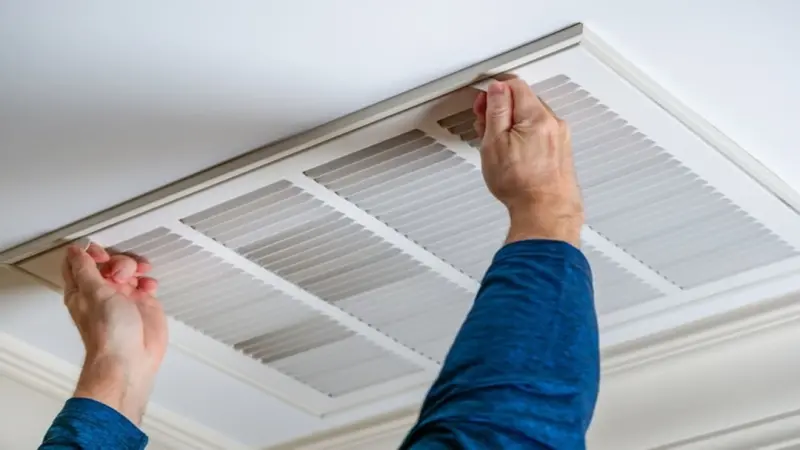
Why Duct Cleaning Is the Unsung Hero of Home Performance
A clean duct system is essential for healthy indoor air, lower energy costs, and environmental sustainability. This post explores why ducts matter, modern predi...Read More
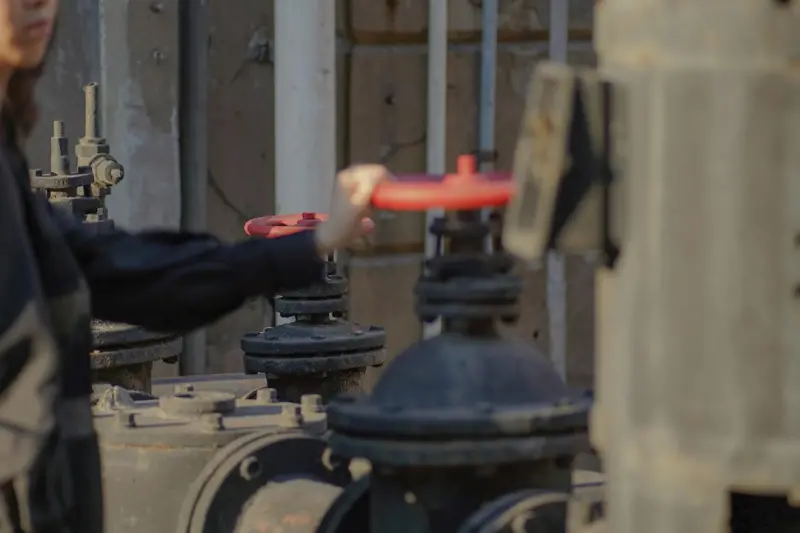
Energy Inspection as a Competitive Advantage: Turning Data into Dollars
Energy inspection is evolving from a compliance task into a powerful, data‑driven strategy that reduces utility bills, unlocks ESG value, and creates a compet...Read More

Reimagining Home Restoration: Modular, Data‑Driven Solutions for Historic Homes
A deep dive into how modular restoration kits, reclaimed materials, and connected moisture sensors are revolutionizing historic home restoration, delivering fas...Read More
0 Comments
Post Comment
You will need to Login or Register to comment on this post!