
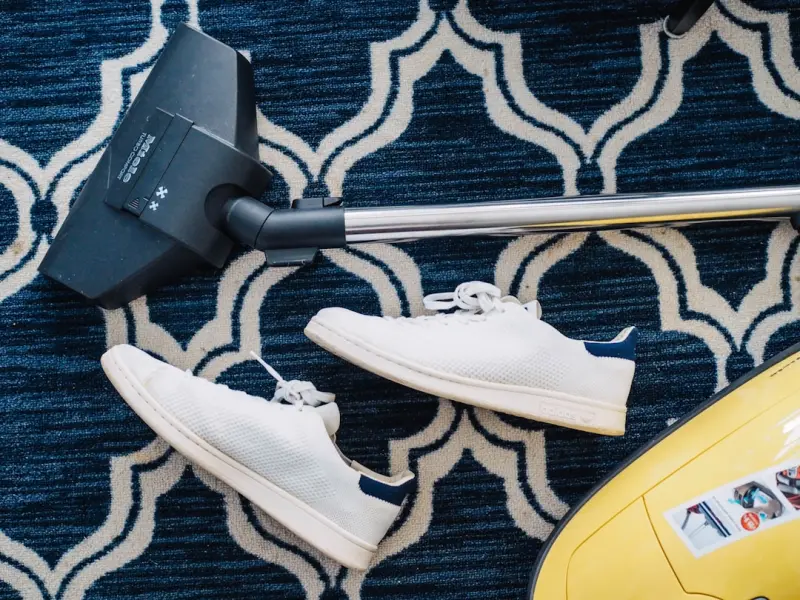
Myth‑Busting the Carpet Cleaning Conversation
When I first started tackling stubborn stains in my own living room, I quickly learned that the marketplace is saturated with half‑truths that sound convincing until you test them against real‑world results; the most pervasive of these myths is the belief that a single, heavy‑duty shampoo can eradicate every type of soil without side effects, a notion that ignores the delicate chemistry of modern synthetic and natural fibers and often leads to premature wear or discoloration. Another common misconception is that “green” or “eco‑friendly” cleaners are automatically safe for every carpet, when in fact many plant‑based surfactants can leave residues that attract dust and dirt, turning a well‑intended effort into a magnet for grime. Finally, a lot of homeowners swear by the “no‑scrub” approach, assuming that letting a cleaning solution sit for an extended period will dissolve dirt, yet prolonged exposure can break down backing adhesives, especially in low‑pile or loop‑type constructions, compromising the carpet’s structural integrity over time.
Why the Traditional Deep‑Clean Isn’t Always the Answer
Professional deep‑cleaning services often tout a high‑pressure extraction process as the silver bullet for all carpet woes, but the reality is that the forceful water injection can saturate the padding, fostering mold growth in humid climates and creating subtle buckling in high‑traffic zones where the backing expands unevenly; this is why many seasoned technicians recommend a balanced approach that combines low‑moisture agitation with targeted spot treatment. Moreover, the notion that a single annual overhaul will keep your carpet pristine is flawed because everyday traffic introduces micro‑particles that embed themselves between fibers, gradually building up a layer of grit that acts like sandpaper, dulling the pile and accelerating fiber fatigue long before the next scheduled service. By understanding the cumulative impact of daily wear, you can adopt a proactive maintenance rhythm that prevents the need for aggressive, potentially damaging interventions.
Science‑Backed Strategies That Actually Work
Research from textile engineers shows that regular, low‑impact vacuuming with a HEPA‑rated filter removes up to 80 % of airborne allergens and surface debris, preserving the carpet’s loft and extending its useful life; pairing this with a mild, pH‑balanced cleaning solution applied via a handheld spray and a light brush action ensures that soils are lifted without saturating the backing, a method praised by experts who study fiber resilience. In practice, I’ve found that rotating the cleaning direction every few weeks prevents directional wear patterns and helps maintain an even appearance, while spot‑treating spills immediately with a blotting technique—pressing, not rubbing—keeps stains from setting without pushing them deeper into the weave. For those seeking evidence‑based guidance, the article why regular carpet cleaning matters delves into the health and aesthetic advantages of a disciplined routine.
Choosing the Right Cleaning Tools for Your Fiber Type
Not all carpets are created equal; nylon, polyester, wool, and olefin each respond differently to moisture, temperature, and chemical agents, so selecting a toolset that respects these nuances is crucial— for example, wool benefits from a cool‑water mist and a gentle foam that mimics natural lanolin, whereas nylon thrives with a slightly warmer solution that activates its stain‑repellent coating without breaking down the synthetic polymers. I’ve learned that using a rotary brush head on low‑pile synthetics can create micro‑abrasions, so a soft‑bristle attachment or a microfiber pad is preferable, delivering kinetic energy without compromising fiber integrity. When in doubt, consult the manufacturer’s care label and perform a hidden‑area test before committing to a full‑room treatment, a simple precaution that can save you from costly repairs down the line.
Integrating Carpet Care into Your Home’s Overall Health Strategy
Carpets act as hidden filters, trapping dust, pollen, and even volatile organic compounds, which means that a clean carpet contributes directly to indoor air quality; aligning carpet maintenance with broader home health practices—such as regular HVAC filter changes and humidity control—creates a synergistic effect that reduces allergen load and promotes a healthier living environment. In my own home, I synchronize carpet vacuuming with the seasonal switch‑over of my furnace filters, ensuring that both the air and the floor are cleared of accumulated particles at the same time, a habit that has noticeably lowered the frequency of sneezing episodes among family members. For readers interested in a holistic approach, the guide smart HVAC strategies offers valuable insight into how climate control can complement carpet upkeep.
Budget‑Friendly Routine That Delivers Professional‑Grade Results
Contrary to the belief that only costly equipment can achieve a showroom finish, a well‑planned budget routine—featuring a sturdy upright vacuum with adjustable height settings, a reusable microfiber mop, and a concentrate of mild detergent mixed with distilled water—can rival the outcomes of high‑end services when applied consistently; the key lies in timing, as cleaning during the dry season reduces drying time and minimizes the risk of moisture‑related complications, while scheduling a deep‑clean every six months keeps deep‑seated grime at bay without overtaxing the fibers. I’ve saved hundreds of dollars by investing in a quality vacuum with a rotating brush that adapts to pile height, and by rotating my cleaning schedule to align with household activity spikes, such as after holiday gatherings when foot traffic intensifies. This disciplined approach not only protects your carpet’s appearance but also safeguards your wallet against premature replacement costs.
Spot‑Treatment Secrets From the Field
When it comes to stubborn stains—red wine, coffee, pet accidents—the fastest path to success is a layered response: blot the excess liquid with a clean, white cloth, then apply a pre‑treatment solution that contains a gentle enzyme to break down organic molecules, allowing the subsequent cleaning phase to lift the residue without scrubbing; the crucial step is to let the enzyme work for a few minutes before gently agitating with a soft brush, then rinse with a minimal amount of clear water to avoid residual streaks. I always keep a small spray bottle of diluted vinegar on hand for neutralizing alkaline spills, but I caution against using undiluted vinegar on wool, as its acidity can damage the fibers; instead, a wool‑safe neutral pH cleaner is the safer bet. Remember, the sooner you act, the less likely the stain will set, and the less aggressive the cleaning required.
Final Thoughts: Making Carpet Care a Habit, Not a Hassle
By demystifying common myths and embracing science‑backed practices, you can transform carpet cleaning from an occasional chore into a seamless part of your home‑care rhythm, preserving both the visual appeal and the health benefits of your flooring for years to come; the real power lies in consistency—regular vacuuming, timely spot treatment, and periodic low‑moisture deep cleans—combined with an awareness of your carpet’s unique material characteristics. As you integrate these strategies, you’ll notice fewer allergens, longer‑lasting color vibrancy, and a floor that welcomes barefoot moments without the fear of hidden grime, proving that smart, modest effort yields spectacular rewards.

Craig Brett is a freelancer with a passion for the outdoors. His love for nature inspires his work, bringing authentic and engaging perspectives to projects related to outdoor activities, adventure, and environmental topics.
Related Posts
A Proactive Carpet Care Playbook: Extending Fiber Life & Boosting Workplace Health
A detailed guide on shifting from reactive spot‑cleaning to a proactive carpet care calendar, comp... Read More

Eco‑Friendly Carpet Cleaning: Proven Strategies for a Healthier Home
A veteran contractor shares his proven, eco‑friendly carpet cleaning strategies, from green soluti... Read More

The Sustainable Carpet Cleaning Playbook: Insights from a Veteran Pro
William Roy shares insider tips on eco‑friendly carpet cleaning, debunking myths, integrating sust... Read More
Top Posts

Backyard Office Revolution: Turning Sheds & Gazebos into Power‑Packed Workspaces
Learn to transform a simple backyard shed into a high‑performance office with solar energy, smart tech, and ergonomic design—boosting productivity and susta...Read More

Embracing Sustainable Home Additions: A Greener Future for Your Home
Embracing sustainable home additions can significantly reduce your environmental footprint. Learn how to incorporate eco-friendly materials, energy-efficient de...Read More
The Real Cost of DIY Mold Removal: What You Need to Know
Explore the true costs and safety concerns of DIY mold removal, with expert insights on containment, testing, and eco‑friendly solutions for a healthier home....Read More

Quiet Comfort: Designing Homes That Listen to Your Lifestyle
A deep dive into acoustic‑friendly home construction, covering mass, isolation, and absorption techniques, cost considerations, and future smart sound‑contr...Read More
0 Comments
Post Comment
You will need to Login or Register to comment on this post!