
Embracing Sustainable Home Additions: A Greener Future for Your Home
As a homeowner, you're likely no stranger to the concept of home additions. Whether you're looking to expand your living space, add a new bedroom, or simply create a more functional layout, home additions can be a fantastic way to breathe new life into your existing property. However, with the growing awareness of environmental issues, it's essential to consider the sustainability of your home addition project. At Lifan Chen, I'm excited to share my perspective on the importance of sustainable home additions and how you can make your next project a greener one.
The Evolution of Sustainable Home Additions
The home addition industry has undergone significant changes in recent years, with a growing focus on sustainable solutions. From eco-friendly materials to energy-efficient designs, homeowners are now more than ever looking for ways to reduce their environmental footprint. As someone who's passionate about sustainable living, I'm thrilled to see the evolution of sustainable home additions. One of the key areas of focus is on sustainable materials, such as reclaimed wood, bamboo, and low-VOC paints. These materials not only reduce waste but also provide a healthier living environment for homeowners.
The Benefits of Sustainable Home Additions
So, why should you consider sustainable home additions? For starters, sustainable home additions can significantly reduce your energy consumption. By incorporating energy-efficient designs and materials, you can lower your utility bills and minimize your carbon footprint. Additionally, sustainable home additions can also improve indoor air quality, providing a healthier living environment for you and your family. Sustainable window treatments, for instance, can help regulate temperature and reduce the need for artificial lighting.
Incorporating Sustainable Materials into Your Home Addition
When it comes to sustainable home additions, the materials you choose can make a significant impact. Consider using recycled materials like reclaimed wood, recycled glass, or repurposed metal. Not only do these materials reduce waste, but they also add a unique character to your home. Another option is to opt for sustainable materials like bamboo, straw bale, or low-VOC paints. These materials are not only eco-friendly but also provide a healthier living environment. For example, sustainable tiling solutions can help reduce water consumption and improve indoor air quality.
Designing for Energy Efficiency
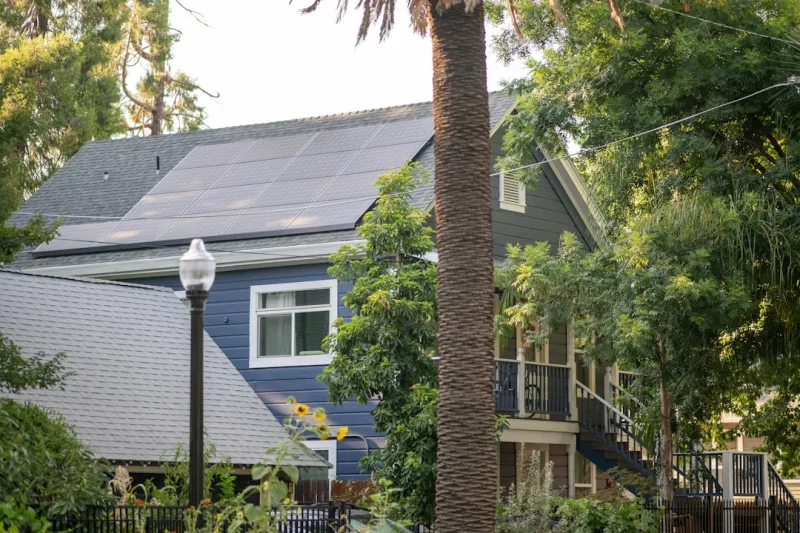
Energy efficiency is a critical aspect of sustainable home additions. By designing your home addition with energy efficiency in mind, you can significantly reduce your energy consumption. Consider incorporating passive solar design principles, which involve maximizing natural light and heat from the sun. This can be achieved through strategic window placement, insulation, and exterior shading devices. Additionally, consider investing in energy-efficient appliances and systems, such as solar panels or geothermal heating and cooling.
The Role of Sustainable Garage Doors in Home Additions
When it comes to home additions, garage doors are often an afterthought. However, sustainable garage doors can play a significant role in reducing energy consumption and improving indoor air quality. Sustainable garage doors are designed to be energy-efficient, durable, and eco-friendly. They can help reduce heat loss, improve insulation, and provide a healthier living environment.
Waterproofing and Sustainable Home Additions
Waterproofing is a critical aspect of home additions, particularly in areas prone to heavy rainfall or flooding. Sustainable waterproofing solutions can help prevent water damage, reduce waste, and promote eco-friendly practices. Consider using eco-friendly waterproofing materials like plant-based membranes or recycled materials. These materials not only provide a durable barrier against water but also reduce environmental impact. For more information on sustainable waterproofing solutions, check out The Future of Waterproofing.
Embracing Sustainable Plastering Practices
Plastering is an essential aspect of home additions, providing a smooth finish to walls and ceilings. However, traditional plastering methods can have a significant environmental impact. Sustainable plastering practices, on the other hand, can help reduce waste, promote eco-friendly materials, and improve indoor air quality. Consider using eco-friendly plastering materials like natural lime plaster or recycled materials. These materials not only provide a healthier living environment but also reduce environmental impact. For more information on sustainable plastering practices, check out Embracing Sustainable Plastering.
Conclusion
Sustainable home additions are no longer just a trend; they're a necessity. As homeowners, we have the power to make a positive impact on the environment. By incorporating sustainable materials, designing for energy efficiency, and embracing eco-friendly practices, we can create a greener future for our homes. Whether you're planning a new home addition or simply looking for ways to improve your existing property, I hope this article has inspired you to consider the benefits of sustainable home additions.

Lifan Chen is a freelancer based in Toronto specializing in marketing. With expertise in crafting effective marketing strategies and campaigns, Lifan helps businesses grow their brand presence and reach target audiences. As a Toronto-based freelancer, Lifan combines local market insights with creative marketing skills to deliver tailored solutions for clients.
Related Posts

Unlocking the Hidden Potential of Your Garage: A Smart, Flexible Home Addition
A garage conversion can become a high‑impact home addition that boosts property value, improves he... Read More
Creating a Home Addition That Grows With You
Learn to plan, design, and fund a home addition that evolves with your lifestyle, from flexible floo... Read More

Designing a Seamless Home Addition: Balancing Lifestyle, Technology, and Future Growth
Learn to create a home addition that mirrors daily routines, integrates discreet technology, and sta... Read More
Top Posts

The Strategic ROI of Proactive Carpet Care: Extending Life, Boosting Performance, and Driving Sustainability
Explore how a proactive, data‑driven carpet‑care program can extend asset life, enhance acoustic performance, and align with ESG targets, turning routine cl...Read More

Why Modern Home Alarms Are Becoming Strategic Safety Hubs
Home alarms are evolving from noisy deterrents to intelligent, networked safety hubs. This article examines AI‑driven detection, seamless smart‑home integra...Read More

When Streets Generate Power: The Rise of Energy‑Harvesting Pavement
Energy‑harvesting pavement turns everyday roads into clean‑energy generators, cutting urban heat, managing stormwater, and feeding smart‑city devices—al...Read More
Reviving Original Wood Floors: A Homeowner’s Guide to Timeless Restoration
A step‑by‑step guide to restoring original wood floors, blending historic preservation with modern techniques for a sustainable, beautiful home....Read More
0 Comments
Post Comment
You will need to Login or Register to comment on this post!