
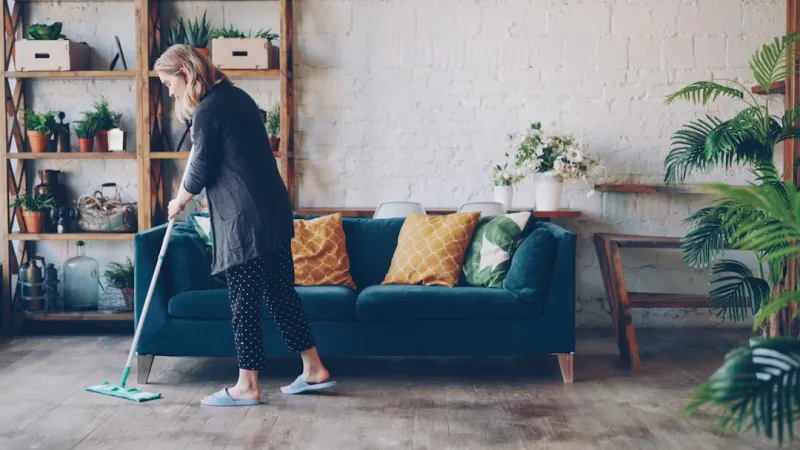
Why Carpet Care Is More Critical Than Ever
When I first stepped onto a freshly‑installed carpet in a client’s home, the plush texture felt like a promise of comfort and warmth, but years later I learned that promise can quickly turn into a hidden health hazard if the fibers aren’t tended to with intention. Modern lifestyles keep us indoors longer, and our floors become silent collectors of dust, pollen, pet dander, and microscopic pollutants that can infiltrate our lungs, especially in households with children or allergy sufferers; the carpet essentially becomes a filter for indoor air that works against us when neglected. As a veteran contractor who has watched homes evolve into smarter, greener ecosystems, I’ve seen a surge in homeowners demanding not just spotless rugs but also solutions that respect the planet, which is why the conversation around carpet cleaning has shifted from “how clean is clean enough?” to “how can we clean responsibly while preserving the life of the material?”
Indoor air quality is the silent partner to every breath we take, and the carpet is often the most underestimated contributor to that environment. Studies show that a single square foot of carpet can hold up to three times its weight in particles, ranging from benign dust to hazardous mold spores that thrive in damp conditions; this accumulation is especially concerning in homes that use humidifiers or have minor water intrusions, where the carpet can become a breeding ground for mold that silently circulates with every footstep. The health implications are more than just sneezes and sniffles; prolonged exposure to these hidden contaminants has been linked to chronic respiratory issues, skin irritation, and even exacerbated asthma attacks, making proactive carpet maintenance a non‑negotiable part of a truly sustainable household. By addressing carpet hygiene early and regularly, homeowners can dramatically reduce the load on their HVAC systems, lower the frequency of filter replacements, and create a healthier breathing space that aligns with broader sustainability goals.
Unfortunately, many DIY enthusiasts fall into the trap of using harsh chemicals or abrasive methods that promise instant results but damage the fiber structure and trap residual toxins within the weave. I’ve watched friends splatter industrial‑strength detergents onto their living‑room rugs only to discover a stubborn residue that not only dulls the color but also releases volatile organic compounds (VOCs) each time the room is heated, turning a cleaning effort into a source of indoor pollution; this is a classic case of solving one problem while creating another. Moreover, the rise of “quick‑fix” carpet shampoos sold at big‑box stores often encourages over‑saturation, leading to prolonged drying times that foster mold growth, especially in cooler climates where air circulation is limited. The lesson here is simple: effective carpet care requires a balanced approach that respects the material’s chemistry, the home’s microclimate, and the occupant’s health, a philosophy that underpins every recommendation I share in this guide.
Eco‑Friendly Techniques That Deliver Results
One of the most rewarding aspects of sustainable carpet care is discovering that many high‑performance cleaning solutions can be assembled from pantry staples, reducing reliance on synthetic chemicals while still delivering professional‑grade outcomes. A blend of white vinegar, baking soda, and a few drops of essential oil creates a natural deodorizer that penetrates deep into the fibers, neutralizing odors without leaving behind harmful residues; the slight acidity of vinegar also helps break down stubborn stains, while baking soda acts as a gentle abrasive that lifts grime without abrading the yarn. When combined with a low‑foam, biodegradable carpet shampoo, this approach not only respects the environment but also safeguards the carpet’s integrity, extending its lifespan and preserving the vibrancy of its dyes for years to come.
Steam cleaning has emerged as a champion in the green‑cleaning arena, offering a chemical‑free method that relies on high‑temperature water vapor to dislodge dirt, allergens, and microbes lodged within the carpet’s backing. The process works by expanding the pores of the fibers, allowing the hot vapor to lift contaminants that a traditional vacuum simply cannot reach, and then a built‑in extraction system draws the loosened debris away, leaving the carpet markedly fresher and less prone to re‑contamination. Compared to dry‑cleaning powders that often contain synthetic binders and leave a powdery residue, steam cleaning delivers a deeper, more thorough cleanse while using far less water than a full‑saturation shampoo, thereby minimizing the risk of mold formation and reducing the overall environmental footprint of the cleaning cycle.
While some homeowners may feel confident tackling carpet care on their own, the reality is that a strategic blend of DIY methods and periodic professional interventions yields the best long‑term results, especially for high‑traffic areas or delicate fibers like wool and silk. As I often advise, schedule a professional deep‑clean at least once a year to reset the carpet’s health, then supplement with the green hacks outlined in Sustainable Home Hacks for weekly upkeep; this layered approach ensures that you’re not constantly re‑applying the same cleaning agents, which can cause wear, and you’re also leveraging the expertise of seasoned technicians who can spot early signs of fiber breakdown or hidden mold. The synergy between a knowledgeable contractor and an informed homeowner creates a maintenance rhythm that maximizes both performance and sustainability.
Maintaining Momentum: A Contractor’s Routine
Establishing a disciplined cleaning cadence is essential for keeping carpets in peak condition, and I recommend a three‑tiered schedule that aligns with the household’s activity level and the carpet’s material composition. First, a high‑efficiency vacuum equipped with a HEPA filter should be employed at least twice a week in high‑traffic zones, ensuring that surface dust and fine particulates are captured before they settle deep into the pile; the HEPA filter not only protects indoor air quality but also prevents the vacuum itself from redistributing allergens back into the room. Second, immediate spot treatment of spills using a gentle blotting technique—pressing, not rubbing—prevents stains from setting, while a homemade solution of diluted dish soap and warm water can handle most everyday messes without compromising the fiber’s resilience.
Beyond routine vacuuming and spot cleaning, integrating carpet care into broader home‑energy strategies can yield surprising efficiency gains, particularly when considering how insulation and temperature control affect moisture levels in flooring. A well‑insulated home maintains a consistent indoor temperature, reducing condensation that can seep into carpet padding and foster mold; for detailed guidance on optimizing your home’s envelope, refer to the Insulation guide, which outlines practical steps to seal gaps, upgrade batts, and balance humidity—all of which indirectly protect your carpet from premature degradation. By viewing carpet care through the lens of overall building performance, you not only extend the life of your flooring but also reinforce the sustainable integrity of the entire residence.
The final piece of the puzzle is a commitment to periodic professional assessment, especially after major events such as water leaks, pet accidents, or after moving heavy furniture that can crush carpet fibers. Professional technicians can perform a comprehensive fiber analysis, measure the carpet’s backing moisture content, and recommend targeted treatments like enzymatic cleaners for pet odors or low‑pH neutralizers for alkaline spills, ensuring that the carpet’s structural health is preserved. This proactive stance mirrors the preventive maintenance mindset I champion across all my projects, where early detection and swift remediation prevent small issues from snowballing into costly repairs, ultimately safeguarding both the homeowner’s investment and the planet’s resources.
In the end, the journey to a cleaner, greener carpet is less about chasing the latest gadget and more about cultivating a thoughtful, consistent approach that respects the material, the occupants, and the environment. By embracing natural cleaning agents, leveraging steam technology, and embedding carpet care within a broader sustainability framework, you create a living space that feels fresh, looks immaculate, and contributes positively to the health of the planet. Remember, every time you choose a biodegradable solution over a petrochemical one, you’re casting a vote for a cleaner future, and that vote is echoed in the softness underfoot, the clarity of the air you breathe, and the longevity of the investment you’ve made in your home. Let’s keep the conversation going—share your own green carpet stories in the comments, and together we’ll continue to raise the bar for sustainable home stewardship.

Paul Gray is a dynamic blogger based in Brampton, where he shares his life with his amazing wife, Sarah. Known for his engaging writing style and relatable insights, Paul has carved out a niche in the blogging world that resonates with readers from all walks of life. When he's not crafting captivating posts, you can find him savoring a cold beer or indulging in the latest blockbuster movie. With a friendly demeanor and a passion for storytelling, Paul brings a unique perspective to his work, making him not just a blogger, but a voice for those who appreciate the simple joys of life.
Related Posts
Why Carpet Care is the Backbone of Healthy, Efficient Buildings
A deep dive into the hidden benefits of carpet cleaning, revealing its role in enhancing indoor air ... Read More
Sustainable Carpet Cleaning: Turning Floors into a Competitive Advantage
A sustainable carpet cleaning strategy can lower expenses, cut emissions, and enhance employee healt... Read More
The Sensory Branding Power of Carpet Cleaning: How Scent and Shine Influence Workplace Culture
A clean, subtly scented carpet does more than look good—it reinforces brand values, improves moral... Read More
Top Posts
Powering the Modern Home Office: A Practical Guide to Electrical Upgrades
Discover a step‑by‑step plan to upgrade your home office electrical system, from load audits to modular panels, ensuring safety and productivity....Read More

Choosing Countertops That Age Gracefully: A Contractor’s Insider Guide
A contractor’s insider guide to choosing countertops that balance durability, sustainability, and style—ensuring a kitchen that ages gracefully and adds las...Read More

Building an In‑Law Suite: A Practical Guide to Expanding Your Home
A hands‑on guide to creating a self‑contained in‑law suite that balances family care, resale value, and smart design, from layout planning to legal permit...Read More
Bathtub Refinishing: The Smart, Sustainable Upgrade Every Property Manager Needs
Bathtub refinishing offers a cost‑effective, eco‑friendly alternative to full replacements, delivering long‑lasting durability, smart‑home integration, ...Read More
0 Comments
Post Comment
You will need to Login or Register to comment on this post!