
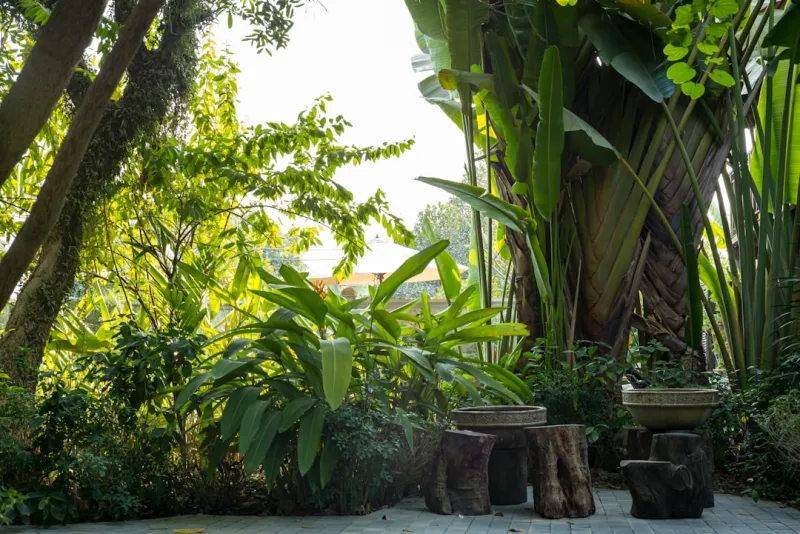
Why a Year‑Round Outdoor Oasis Is the Next Home Trend
When I first stepped outside my own garden after a long winter, I felt the lingering chill, the bare branches, and the quiet promise of a space that could work for both sun‑soaked afternoons and crisp evenings, a promise that sparked the idea of creating a true year‑round outdoor oasis that feels as comfortable as a living room yet remains firmly rooted in sustainable practice; this vision quickly evolved from a simple wish list into a detailed design challenge, compelling me to research climate‑responsive layouts, renewable materials, and low‑impact technologies that together can transform any backyard into a functional sanctuary without sacrificing the planet, and in this article I’ll walk you through the steps I took, the lessons I learned, and the resources that helped me stay on track while keeping the experience authentic and personal.
Selecting Sustainable Materials That Age Gracefully
Choosing the right decking, flooring, and structural elements is perhaps the most critical decision for any outdoor project because these components not only set the aesthetic tone but also determine long‑term environmental impact, so I gravitated toward reclaimed hardwood, composite blends made from recycled plastics, and responsibly harvested bamboo, each offering a unique blend of durability, low maintenance, and a story that resonates with eco‑conscious homeowners; in addition, I consulted local suppliers about certifications such as FSC and sought out low‑VOC finishes that protect both the wood and the surrounding ecosystem, and by opting for materials that resist rot and require fewer chemical treatments, I dramatically reduced the future carbon footprint while ensuring that the deck will look vibrant for decades to come.
Balancing Sunlight and Shade for Comfort Across Seasons
One of the biggest challenges I faced was creating a space that feels warm and inviting on a chilly fall evening yet offers respite from the scorching summer sun, a balance I achieved by integrating a combination of strategically placed pergolas, adjustable louvers, and dense planting schemes that act as natural sunbreaks, allowing me to modulate light levels with simple manual adjustments or automated sensors; by positioning deciduous trees on the southern edge, I enjoy generous shade in the summer when the leaves are full and welcome passive solar heating in winter as the bare branches let in gentle rays, while the pergola’s retractable canopy provides an extra layer of protection during rainstorms, making the oasis usable whenever the weather permits.
Smart Water Management: From Harvesting to Irrigation
Water is the lifeblood of any garden, yet it is also one of the most wasteful resources when managed poorly, so I installed a rain‑water harvesting system that channels runoff from the roof into a series of underground cisterns, each equipped with a gravity‑fed drip irrigation network that delivers precise moisture directly to the plant roots, dramatically cutting my municipal water use and allowing me to nurture native species that thrive on lower water inputs; to further enhance efficiency, I added moisture sensors that communicate with a smart controller, automatically pausing irrigation during rainy periods or when soil humidity reaches optimal levels, a practice that not only conserves water but also encourages healthier plant growth and reduces the need for chemical fertilizers.
Energy‑Smart Lighting That Extends the Day
Lighting is essential for turning an outdoor area into a welcoming extension of the home after dusk, and I approached this element with a focus on energy efficiency and ambiance, selecting LED fixtures that emit warm, inviting tones while consuming a fraction of the power of traditional bulbs, then pairing them with motion‑activated sensors and dimmable controls that allow me to tailor illumination levels to the activity at hand, whether it’s a quiet evening of reading on the deck or a lively gathering with friends; furthermore, I integrated solar‑powered lanterns along pathways and a low‑voltage string light system draped across the pergola, creating a layered lighting design that feels both modern and timeless without inflating my electric bill.
Choosing Multi‑Season Furniture That Marries Style and Durability
Investing in furniture that can endure the changing climate while maintaining its aesthetic appeal was a top priority, so I sourced pieces made from recycled aluminum frames, weather‑resistant rattan, and upholstery fabrics treated with UV‑blocking finishes, ensuring that chairs, loungers, and tables retain their color and structural integrity year after year, and I also incorporated modular components that can be rearranged or stored easily as seasons shift, allowing me to transition from a sun‑filled lounge area in summer to a cozy fire‑pit setting in winter; adding plush, waterproof cushions and an outdoor rug made from reclaimed fibers further enhanced comfort and visual interest, creating a space that invites lingering and encourages spontaneous moments of relaxation.
Integrating Small Structures for Function and Fun
Beyond the main deck, I discovered that adding modest yet purposeful structures can dramatically increase the utility of an outdoor oasis, which led me to design a compact Sustainable Deck Design that doubles as a raised garden bed, a tiny outdoor kitchen equipped with a propane grill and a countertop made from reclaimed concrete, and a discreet storage shed that houses cushions and gardening tools, all built using the same eco‑friendly materials to maintain visual cohesion; each element was carefully positioned to maximize airflow, provide shelter from wind, and create micro‑climates that support a variety of plant life, ultimately turning the backyard into a multifunctional hub where cooking, entertaining, and horticulture seamlessly intersect.
Maintenance Strategies That Preserve Longevity and Reduce Waste
To keep the oasis looking pristine without resorting to harsh chemicals or excessive labor, I adopted a routine that emphasizes preventive care and natural solutions, beginning with a bi‑annual sealant application on the deck using a low‑VOC product that reinforces water resistance and prolongs the life of the wood, followed by a simple cleaning regimen that employs biodegradable soap and a soft brush to remove debris; I also practice selective pruning of the surrounding vegetation to ensure adequate airflow, which mitigates mold growth and reduces the need for fungicidal treatments, and when it comes to storage solutions, the Backyard Shed Transformation guide proved invaluable in constructing a tidy, insulated shelter that protects seasonal furniture and equipment from the elements, thereby extending their lifespan and minimizing waste.
Final Thoughts: A Sustainable Sanctuary That Pays Off
Creating a year‑round outdoor oasis is not just a design project; it is an ongoing commitment to sustainability, comfort, and mindful living, and the payoff comes in the form of reduced utility costs, increased home value, and a personal retreat that nurtures both body and spirit, especially when you integrate intelligent systems like Energy Inspections to fine‑tune heating, cooling, and lighting performance across the entire property; by embracing durable materials, smart water and energy solutions, and thoughtful maintenance practices, you can craft a backyard that feels like an extension of your living room in every season, inviting you to step outside and experience the harmony of nature and design whenever the mood strikes.

David MacKinnon is a dynamic freelance writer known for his captivating storytelling and keen insights into the world of technology. With a passion for exploring the intersection of innovation and everyday life, he crafts engaging narratives that not only inform but also inspire his readers.
Related Posts
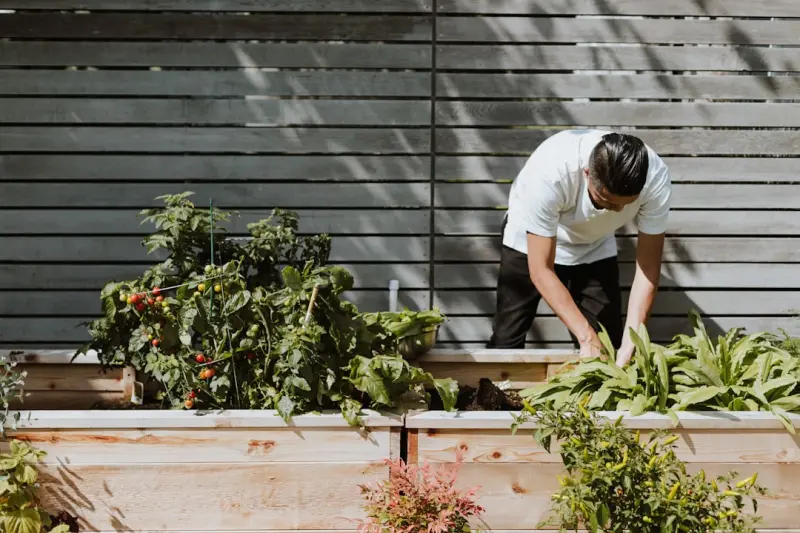
Cultivating Backyard Microclimates: A Hands‑On Guide to Year‑Round Harvest
Discover practical steps to map sunlight, manage water, improve soil, and select plants for distinct... Read More
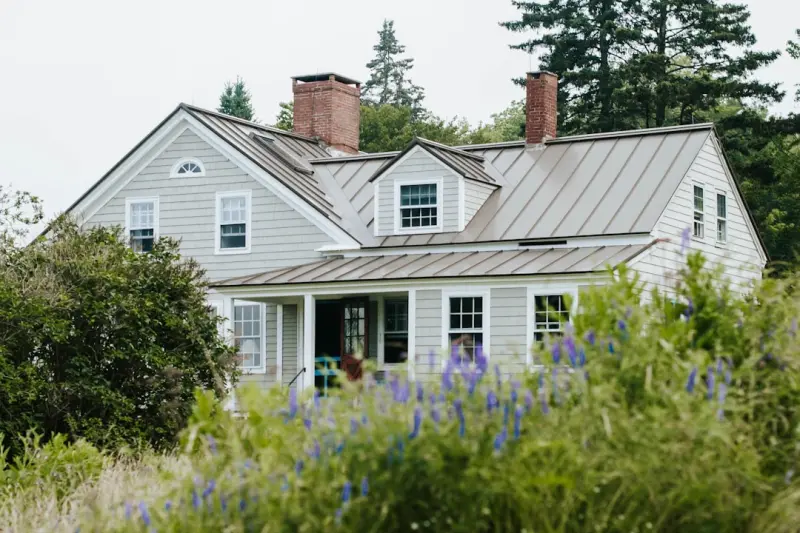
Pocket Greenhouses: Big Harvests From Tiny Spaces
Learn how to create a pocket greenhouse that maximizes limited outdoor space, offering continuous fr... Read More
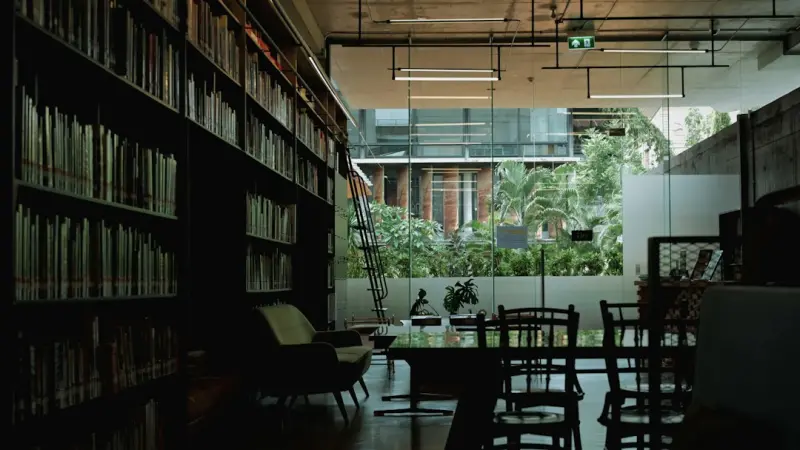
Cultivating Calm: How Indoor Green Walls Are Redefining Home Living
Indoor green walls turn ordinary walls into thriving ecosystems that improve air quality, lower ener... Read More
Top Posts
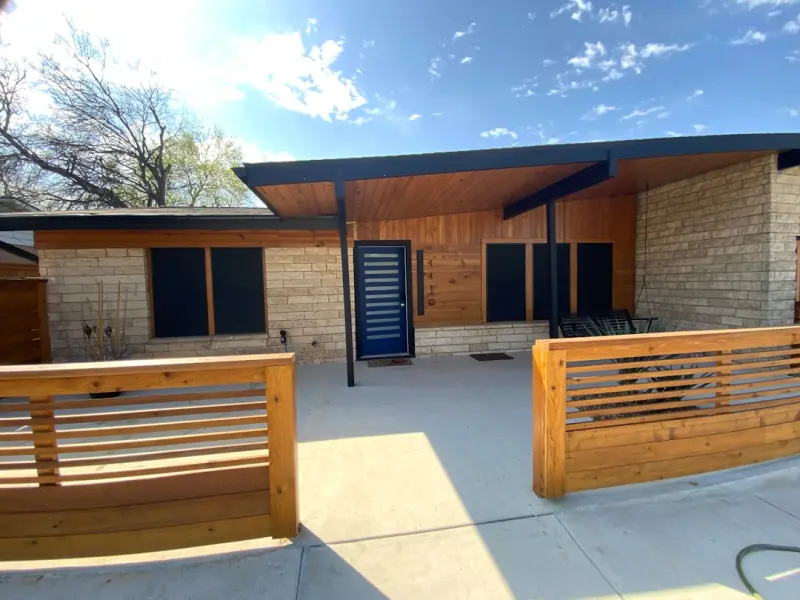
Rooftop Gardens: The Next Frontier in Home Additions
Turning an underused roof into a green oasis can lower energy costs, improve air quality, and add lifestyle value. This guide walks you through structural prep,...Read More
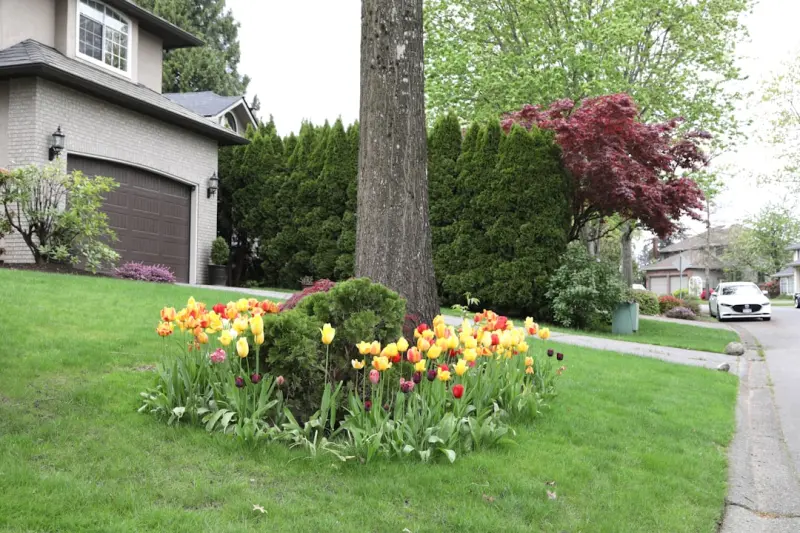
Front Yard Refresh: Native Plants, Smart Irrigation, and Modern Fencing
A practical, design‑first approach to revamp your front yard with low‑maintenance native plantings, zone‑based smart irrigation, and contemporary fence so...Read More

The Benefits of Sustainable Landscaping: A Path to Environmental Stewardship
Sustainable landscaping is more than just a trend; it's a critical approach to maintaining a healthy and thriving outdoor space. Learn how to create an eco-frie...Read More
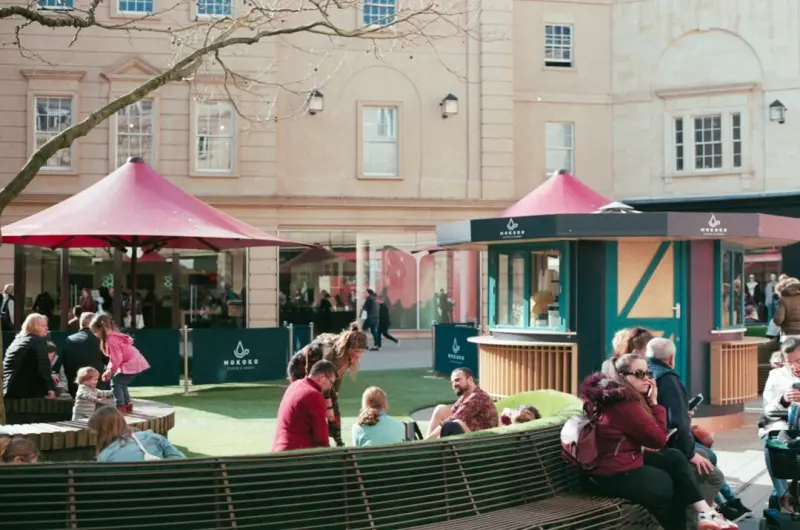
Awnings as Strategic Assets: Redefining Outdoor Workspaces
A fresh look at awnings reveals their potential to transform outdoor spaces into productive, brand‑enhancing, and energy‑efficient zones, complete with smar...Read More
0 Comments
Post Comment
You will need to Login or Register to comment on this post!