
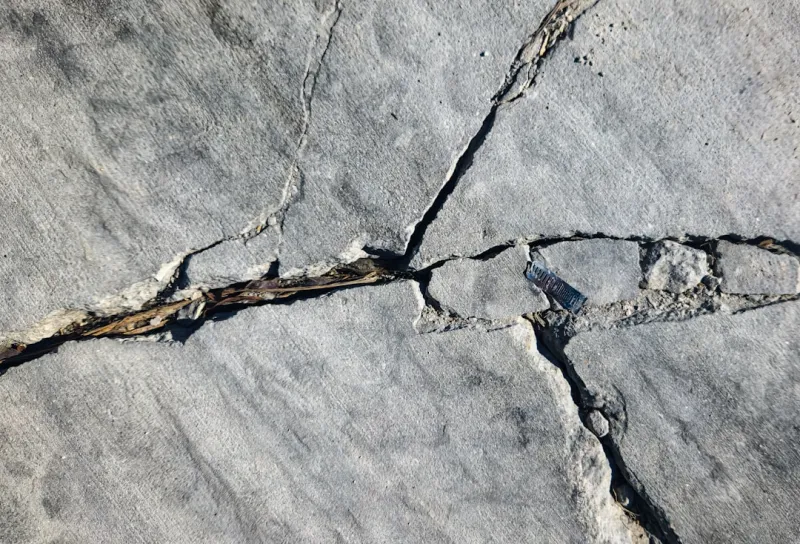
Why the Right Pavement Is More Than Just a Surface
When I first set out to replace the cracked driveway outside my family home, I quickly realized that a pavement is not merely a slab of concrete or asphalt; it is the silent guardian of safety, curb appeal, and even energy efficiency. Choosing the right material can mean the difference between a driveway that cracks under the first frost and one that lasts for decades while subtly enhancing the thermal performance of the house. My journey taught me to look beyond the immediate cost and consider how permeable pavers can reduce runoff, how insulated concrete forms can keep the slab cooler in summer, and how a well‑planned grading plan can direct water away from foundations, protecting the very heart of the home.
Understanding Soil, Climate, and Load Requirements
The first step in any paving project is to respect the unique soil composition and climate patterns of the site, a lesson I learned when my backyard turned into a miniature swamp after a heavy rain. By conducting a simple percolation test and consulting local climate data, I discovered that a blend of crushed stone base and polymer‑enhanced sand provided the drainage I needed without sacrificing stability. I also factored in load requirements—whether the surface must support a heavy pickup truck, a garden party, or a quiet morning coffee—because over‑engineering can waste resources while under‑engineering leads to costly repairs.
Materials That Match My Sustainable Vision
My commitment to sustainability steered me toward eco‑friendly paving options that reduce embodied carbon while delivering durability. Recycled aggregate pavers, made from reclaimed concrete, offer a rugged look and a lower carbon footprint; they also lock in heat, which can be beneficial for passive warming in cooler months. For areas where slip resistance is critical, I opted for textured reclaimed wood‑composite tiles that blend naturally with surrounding foliage and decompose gracefully at the end of their life. Every material choice became an opportunity to align my outdoor spaces with the same green ethos that guides my interior renovations.
Designing for Aesthetic Cohesion and Function
Beyond performance, a pavement must complement the architectural language of the home, something I realized when the stark gray concrete clashed with the warm timber siding of my cottage. By selecting a warm, earth‑tone paver pattern that echoed the natural stone accents on my porch, I created visual continuity that made the entire property feel cohesive. I also incorporated subtle curves and stepping stones that guide visitors through the garden, turning a functional surface into an experiential journey. The result was a driveway and patio that not only serve their purpose but also enhance the sense of place.
Integrating Permeability for Water Management
One of the most rewarding aspects of my recent paving project was the integration of permeable pavers, a solution that mirrors the strategies I discuss in Weather‑Proof Your Home: Proven Strategies for Comfort and Savings. By allowing rainwater to infiltrate the ground, these systems reduce storm‑water runoff, mitigate erosion, and recharge the soil beneath, all while preventing puddles that can become breeding grounds for mosquitoes. The installation required a careful layering of geotextile fabric, crushed stone, and the paver units themselves, but the long‑term benefits—lower utility bills, healthier landscaping, and fewer foundation issues—far outweigh the upfront effort.
Heating the Pavement for Year‑Round Comfort
Living in a region with harsh winters, I discovered that a heated pavement can transform a slippery driveway into a safe, welcoming entrance, much like the comfort I achieved with Radiant Floor Heating. Embedding electric heating cables beneath the paver surface provides consistent warmth that melts snow and ice without the need for chemical de‑icers, which can damage both the environment and the paver material. The system is controlled by a smart thermostat, allowing me to schedule heating cycles that align with weather forecasts, optimizing energy use while ensuring a frost‑free path each morning.
Maintenance Practices That Extend Longevity
Even the best‑designed pavement requires regular upkeep to preserve its function and appearance; I learned this the hard way when neglect led to weed intrusion and surface staining. Simple practices such as sweeping debris, resealing joint sand annually, and promptly addressing cracks with a polymer‑based filler keep the surface resilient. For permeable systems, periodic vacuuming removes fine sediments that can clog pores, ensuring continued drainage. By establishing a seasonal maintenance calendar, I can catch minor issues before they become costly repairs, safeguarding the investment for years to come.
Budgeting Smartly Without Sacrificing Quality
Financial planning is a crucial component of any paving venture, and I found that breaking the project into phases allowed me to balance immediate needs with long‑term goals. I allocated funds first to the essential sub‑base and drainage improvements, then invested in higher‑end pavers that offered both aesthetic appeal and durability. Leveraging local supplier discounts and DIY installation for non‑structural elements further stretched my budget, while still delivering a professional finish. This approach mirrors the cost‑saving strategies I detail in The Hidden Power of Energy Inspections, proving that thoughtful budgeting and sustainable choices can coexist harmoniously.

David MacKinnon is a dynamic freelance writer known for his captivating storytelling and keen insights into the world of technology. With a passion for exploring the intersection of innovation and everyday life, he crafts engaging narratives that not only inform but also inspire his readers.
Related Posts

Paving the Way: Data-Driven Surfaces Transforming City Streets
A deep dive into the latest trends in paving, from solar‑embedded slabs to IoT‑driven maintenanc... Read More
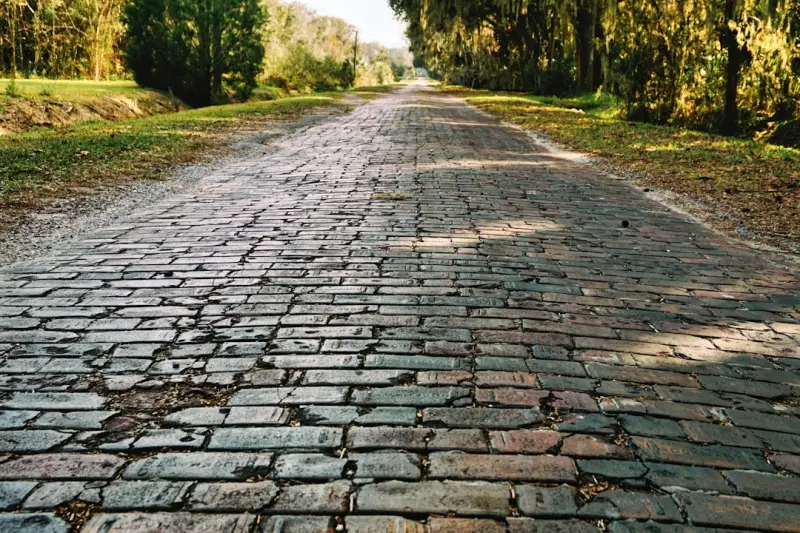
Paving the Way: Turning Hardscapes into a Competitive Advantage
A forward‑looking look at how data‑driven paving transforms concrete from a passive surface into... Read More

Paving the Way: How Modern Surfaces Transform Outdoor Living
Explore fresh paving trends that combine eco‑friendly materials, smart tech, and artistic patterns... Read More
Top Posts
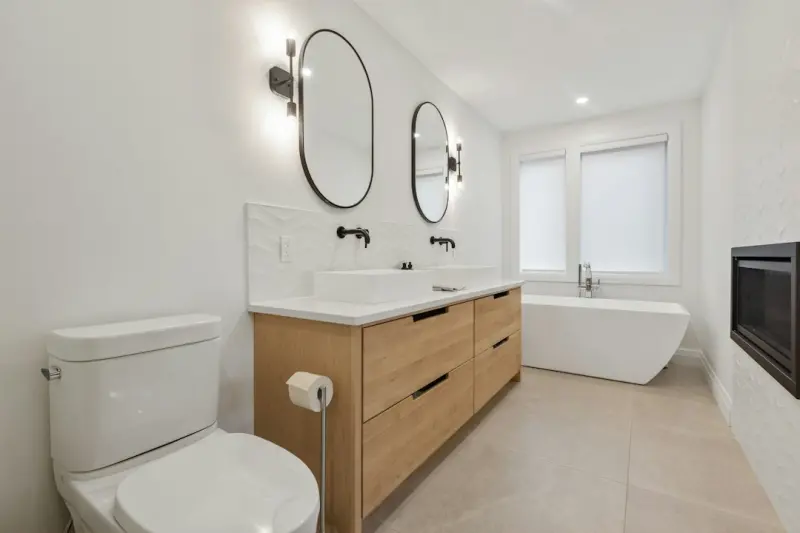
Zero‑Waste Bathroom Renovations: A Practical Guide to Circular Design
Discover a step‑by‑step, zero‑waste approach to bathroom remodels that balances luxury, functionality, and environmental responsibility, using reclaimed m...Read More

Smart Closets: Turning Hidden Storage Into a Strategic Business Asset
Smart closets go beyond simple shelving, using modular design, IoT sensors, and AI forecasting to turn hidden storage into a data‑rich, revenue‑generating a...Read More

When Waterproofing Gets Smart: Sensors, Data, and the Future of Leak‑Free Buildings
Smart waterproofing uses embedded sensors, cloud analytics, and AI to predict leaks before they happen, turning traditional membrane installs into a proactive, ...Read More

How Augmented Reality Is Revolutionizing Bricklaying on the Jobsite
Augmented reality is merging with masonry, giving masons real‑time visual guidance, reducing material waste, accelerating training, and creating data‑rich a...Read More
0 Comments
Post Comment
You will need to Login or Register to comment on this post!