
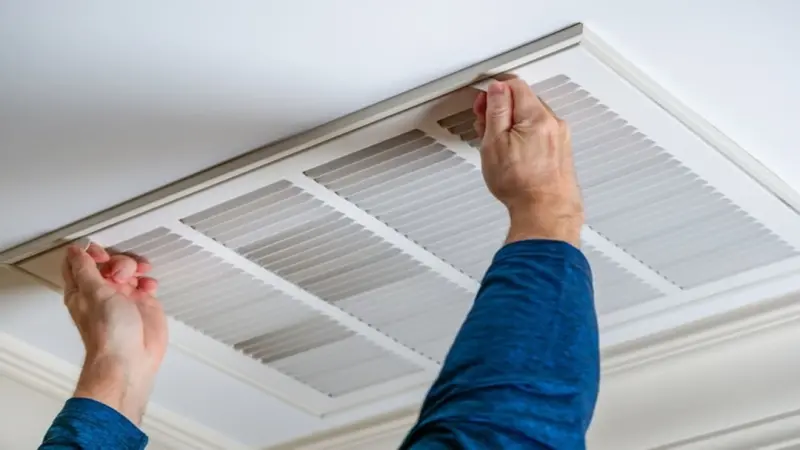
Beyond Dust Bunnies: How Duct Cleaning Powers a Healthier, More Efficient Home
When most homeowners think about home upkeep, the conversation circles around paint, flooring, or the latest lighting trend. Airflow pathways—the hidden veins that transport conditioned air throughout the house—rarely get the spotlight they deserve. Yet the condition of those ducts can dictate indoor comfort, energy bills, and even family health.
The Quiet Influence of Ductwork on Everyday Life
Every time you flip a switch, turn on a faucet, or set the thermostat, your HVAC system springs into action. Air is drawn into the furnace or heat pump, filtered, heated or cooled, then pushed through a maze of ducts to every room. If those ducts are clogged with dust, pollen, mold spores, or even tiny fragments of insulation, the system works harder, the temperature swings become more pronounced, and the air you breathe carries unwanted contaminants.
Think of duct cleaning as a preventive health check for your home’s respiratory system. Just as a routine medical exam catches problems before they become serious, regular duct maintenance catches buildup before it compromises comfort and efficiency.
Hidden Pollutants Lurking in the Lines
While a quick glance at a dusty vent cover might suggest a minor nuisance, the reality can be far more complex. Over time, moisture can settle in the cooler sections of a duct, creating an ideal environment for mold growth. These colonies release microscopic spores that travel straight into the living spaces. Additionally, pet dander, construction debris, and even tiny fragments of old insulation can accumulate, creating a fine particulate cloud that settles on surfaces and is re‑aerosolized each time the fan cycles.
For households with asthma, allergies, or compromised immune systems, this invisible haze can exacerbate symptoms, leading to frequent doctor visits and reduced quality of life. The indoor air quality strategies discussed in our previous posts highlight the importance of sealing and insulating, but without clean ducts, those efforts can be undermined.
Energy Drain: The Cost of Neglect
When ducts are obstructed, the HVAC fan must run longer to achieve the set temperature. This extended runtime translates directly into higher electricity consumption or increased natural gas usage. Studies have shown that a heavily clogged duct system can reduce airflow by up to 30%, leading to an equivalent rise in energy demand. Over a typical year, that inefficiency can add hundreds of dollars to a household’s utility bill.
Furthermore, a system that is constantly over‑working experiences accelerated wear. The motor, belts, and heat exchangers endure greater stress, shortening their lifespan and prompting premature replacement—a costly cycle that could have been avoided with a simple maintenance routine.
From Reactive to Predictive: The New Age of Duct Maintenance
Historically, duct cleaning was a reactive service: homeowners called a technician after noticing a musty odor or a spike in energy bills. Today, technology is shifting the paradigm toward proactive care. Sensors capable of measuring airflow velocity, temperature differentials, and particulate concentration can be installed at strategic points along the duct network. These devices transmit data to a cloud platform that uses machine learning to flag anomalies before they become problems.
Integrating such sensors with the broader HVAC energy coaching ecosystem creates a holistic view of home performance. For instance, a sudden drop in airflow on a specific branch can trigger an automated alert, prompting the homeowner to schedule a targeted cleaning. This predictive approach reduces unnecessary service calls, cuts down on wasteful energy consumption, and keeps indoor air consistently clean.
Choosing Between DIY and Professional Services
Many homeowners wonder if they can roll up their sleeves and tackle duct cleaning themselves. While a basic vacuum of vent covers can remove surface dust, a thorough cleaning requires specialized equipment:
- Rotary brushes that rotate at high speed to dislodge stubborn debris from the inner walls of ducts.
- HEPA‑rated vacuums that capture microscopic particles without re‑releasing them into the environment.
- Airflow measurement tools to verify that cleaning has restored proper ventilation.
Professional technicians bring these tools, along with expertise in identifying problem areas such as insulated sections that may harbor mold. Moreover, reputable services follow industry standards that include sealing any leaks discovered during cleaning—a step many DIY attempts overlook.
Environmental Impact: Cleaning for a Greener Home
Beyond the immediate benefits to health and energy bills, duct cleaning contributes to a smaller carbon footprint. An efficient HVAC system consumes less fuel or electricity, directly reducing greenhouse gas emissions. Additionally, regular maintenance prolongs the life of major components, delaying the need for replacement and the associated manufacturing emissions.
For those committed to eco‑friendly practices, pairing duct cleaning with green cleaning practices ensures that the chemicals and solvents used are biodegradable and low‑impact. This synergy amplifies the sustainability of the entire home care routine.
How to Evaluate a Duct Cleaning Provider
Not all duct cleaning companies are created equal. To ensure you receive a thorough, trustworthy service, consider the following criteria:
- Certification: Look for affiliations with recognized industry bodies such as NADCA (National Air Duct Cleaners Association). Certification indicates adherence to rigorous standards.
- Transparent Process: A reputable provider will explain the steps involved, the equipment used, and provide a before‑and‑after assessment of airflow or particulate levels.
- Comprehensive Inspection: The service should include a visual inspection of the entire duct system, identification of leaks, and recommendations for sealing if needed.
- Customer Feedback: Check online reviews and ask for references. Consistent positive feedback about thoroughness and professionalism is a good sign.
Remember, the cheapest quote may not include the full suite of services needed for optimal performance. Investing in a qualified provider pays dividends in long‑term savings and indoor health.
Future Trends: What’s Next for Duct Care?
The convergence of home automation, data analytics, and health‑focused design is set to transform how we think about duct cleaning. Anticipated developments include:
- Integrated Air Quality Dashboards: Homeowners will view real‑time particulate counts, humidity levels, and airflow metrics on their smartphones, with automated cleaning schedules suggested by AI.
- Self‑Cleaning Duct Materials: Emerging duct linings coated with antimicrobial and dust‑repellent compounds could reduce the frequency of manual cleaning.
- Energy‑Harvesting Sensors: Tiny devices that draw power from airflow vibrations could operate indefinitely, providing continuous monitoring without battery changes.
While these innovations are on the horizon, the core principle remains unchanged: clean ducts are essential for a healthy, efficient home.
Practical Steps to Keep Your Ducts in Top Shape
Even if you rely on professionals for deep cleaning, a few routine habits can extend the interval between service calls:
- Replace Filters Regularly: High‑efficiency filters should be swapped every 1‑3 months, depending on household activity and pet presence.
- Seal Leaks: Use mastic or foil tape to seal any visible gaps in the ductwork. Even small leaks can divert airflow and reduce overall efficiency.
- Control Moisture: Ensure that your home’s humidity stays within the 30‑50% range to discourage mold growth inside ducts.
- Maintain Clean Return Grilles: Vacuum or wipe the return air grilles weekly to prevent dust from re‑entering the system.
These simple actions, combined with a scheduled professional cleaning every 3‑5 years, will keep your indoor environment fresh, comfortable, and energy‑smart.
Conclusion: Embrace Duct Cleaning as a Core Home Health Practice
Just as you wouldn’t skip a dental check‑up, neglecting the arteries of your home’s ventilation system can lead to hidden health risks and unnecessary expenses. By adopting a proactive, data‑driven approach—leveraging modern sensors, partnering with certified professionals, and integrating eco‑friendly cleaning methods—you turn duct cleaning from a chore into a strategic investment.
When your ducts are clean, your home breathes easier, runs cooler or warmer with less effort, and contributes to a greener planet. It’s time to shine a light on the often‑overlooked pathways that keep your living space thriving.

Lifan Chen is a freelancer based in Toronto specializing in marketing. With expertise in crafting effective marketing strategies and campaigns, Lifan helps businesses grow their brand presence and reach target audiences. As a Toronto-based freelancer, Lifan combines local market insights with creative marketing skills to deliver tailored solutions for clients.
Related Posts
Predictive Duct Maintenance: Turning Hidden Airways Into Strategic Assets
Predictive duct maintenance leverages IoT sensors and analytics to anticipate cleaning needs, reduce... Read More
Why Seasonal Duct Cleaning Is the Secret Weapon for a Healthy Home
Learn why cleaning your home’s ductwork each season is essential for better air, lower bills, and ... Read More

The Hidden Benefits of Duct Cleaning: How a Cleaner HVAC System Can Improve Your Home's Sustainability
Learn how duct cleaning can improve your home's sustainability, indoor air quality, and energy effic... Read More
Top Posts

Roofing Reinvented: Subscription, Self‑Healing Materials, and AI Monitoring
A deep dive into the emerging model of Roofing‑as‑a‑Service, highlighting subscription financing, self‑healing membranes, and AI‑powered sensor networ...Read More
The Modern Garage Door: Smart, Sustainable, and Stylish
Explore the latest trends in garage doors—from smart connectivity and eco‑friendly materials to solar‑powered designs—that combine performance, safety, ...Read More

The Quiet Power of Proactive Appliance Diagnostics
Discover a straightforward, proactive approach to appliance care that catches problems early, reduces energy waste, and helps you avoid costly replacements....Read More

From Scrap to Spotlight: Crafting Upcycled Wood Masterpieces
A deep‑dive into the art of upcycling vintage timber, offering practical sourcing tips, hand‑tool restoration methods, modular design ideas, and business st...Read More
0 Comments
Post Comment
You will need to Login or Register to comment on this post!