
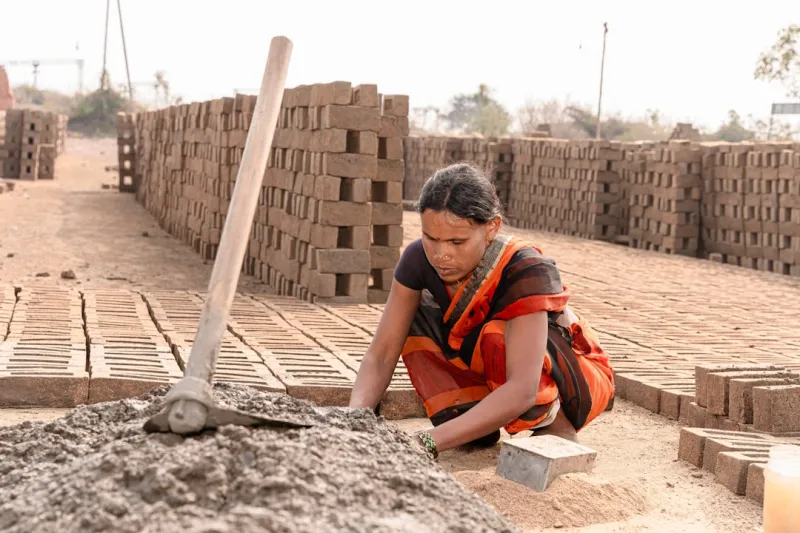
Crafting the Perfect Foundation: My Journey as a Construction Expert
As a seasoned construction expert with years of experience under my belt, I've had the privilege of working on numerous projects that have allowed me to hone my skills and gain valuable insights into the world of construction foundations. One thing that's become abundantly clear to me is that a strong foundation is the backbone of any successful build. It's the unsung hero that keeps everything standing tall and secure. In this article, I'll share my expertise on what it takes to craft the perfect foundation, and why it's essential to get it right.
When I first started out in the construction industry, I quickly realized that a solid foundation was crucial to the success of any project. I recall working on a particularly challenging site where the soil was unstable and prone to shifting. It was a daunting task, but with the right techniques and materials, we were able to create a foundation that not only supported the structure but also ensured its longevity. That experience taught me the importance of taking the time to assess the site conditions, choose the right materials, and employ the best construction methods.
The Importance of Site Evaluation
Before laying the foundation, it's essential to evaluate the site conditions. This involves assessing the soil type, drainage, and environmental factors that could impact the stability of the structure. A thorough site evaluation helps identify potential issues early on, allowing you to address them before they become major problems. For instance, if the soil is prone to settling or shifting, you may need to use specialized foundation systems or materials to ensure the structure remains stable. I've seen cases where neglecting this step has led to costly repairs and even structural failures.
Soil Types and Their Impact on Foundation Design
Soil types play a significant role in foundation design. Different soils have varying levels of bearing capacity, which affects the type of foundation that's suitable for a particular site. For example, clay soils tend to be more unstable than sandy soils, requiring a more robust foundation system. Understanding the soil type and its properties helps you choose the right foundation design and materials. In my experience, taking the time to properly evaluate the soil conditions has saved countless projects from potential disaster.
Foundation Types: A Guide to Choosing the Right One
There are several types of foundations, each with its own strengths and weaknesses. The most common types include shallow foundations, deep foundations, and specialized foundations. Shallow foundations, such as slab-on-grade or crawl space foundations, are suitable for stable soils and low-to-moderate loads. Deep foundations, like piles or caissons, are used for sites with poor soil conditions or high loads. Specialized foundations, such as basement renovations, require careful planning and execution. Choosing the right foundation type depends on various factors, including site conditions, load requirements, and budget constraints.
Materials Matter: Selecting the Right Foundation Materials
The materials used for the foundation are just as important as the design. Concrete, masonry, and steel are popular choices, each with its own advantages and disadvantages. Concrete is a versatile and durable material, while masonry provides excellent compressive strength. Steel is often used for reinforcing foundations, adding tensile strength and flexibility. When selecting materials, consider factors like durability, sustainability, and cost-effectiveness. For example, using locally sourced materials can reduce transportation costs and support the local economy.
The Role of Waterproofing in Foundation Design
Waterproofing is a critical aspect of foundation design. A well-designed waterproofing system prevents water infiltration, reducing the risk of damage and structural compromise. I've seen cases where neglecting waterproofing has led to costly repairs and even structural failures. A comprehensive waterproofing system includes measures like drainage solutions, membranes, and sealants. It's essential to consider the site's hydrology and drainage patterns when designing the waterproofing system.
Case Study: A Successful Foundation Project
One project that comes to mind is a residential build on a sloping site. The client wanted to maximize the outdoor living space, while ensuring the foundation was stable and secure. We designed a shallow foundation system with a reinforced slab-on-grade, incorporating a drainage solution to manage surface water. The result was a beautiful, functional outdoor space that met the client's needs and exceeded their expectations.
Common Mistakes to Avoid
When it comes to crafting the perfect foundation, there are several common mistakes to avoid. These include:
- Insufficient site evaluation
- Inadequate material selection
- Poor drainage design
- Inadequate waterproofing
By avoiding these common pitfalls, you can ensure a strong and stable foundation that supports the structure and provides long-term durability.
Conclusion
In conclusion, crafting the perfect foundation requires careful planning, attention to detail, and a deep understanding of site conditions, materials, and construction techniques. By following the principles outlined in this article, you can create a solid foundation that supports your structure and provides long-term durability. Remember to evaluate the site conditions, choose the right materials, and employ best practices to ensure a successful outcome. And if you're looking to refinish your deck or tackle any other construction project, make sure to prioritize a strong foundation.

David MacKinnon is a dynamic freelance writer known for his captivating storytelling and keen insights into the world of technology. With a passion for exploring the intersection of innovation and everyday life, he crafts engaging narratives that not only inform but also inspire his readers.
Related Posts
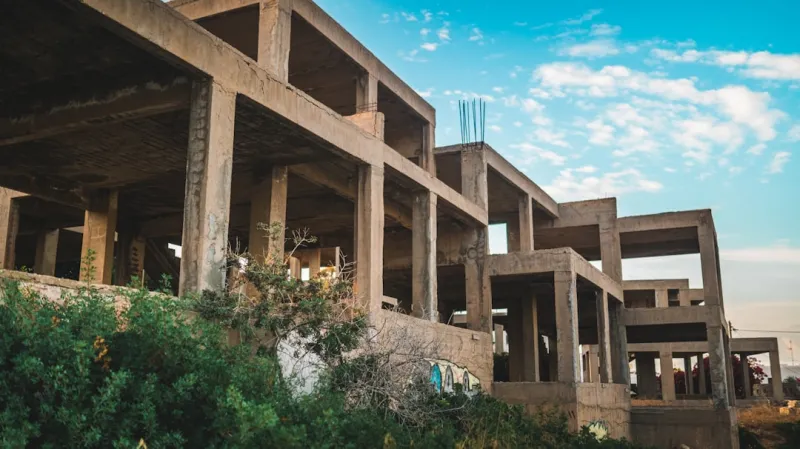
The Foundation of Sustainability: How Eco-Friendly Construction is Revolutionizing the Industry
The construction industry is undergoing a significant transformation. Eco-friendly construction prac... Read More
Beyond Concrete: Rethinking Foundations for Resilient Construction
Foundations are being reimagined through predictive modeling, modular systems, and advanced composit... Read More

Foundations That Think: Building Smarter From the Ground Up
A deep dive into responsive foundations—how embedded sensors, modular design, and low‑carbon con... Read More
Top Posts
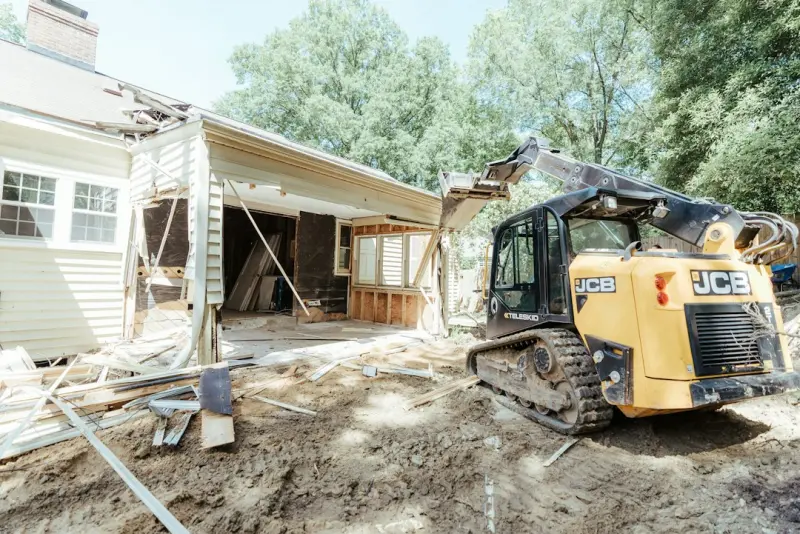
Wearables on the Jobsite: Turning Safety Data into Competitive Edge
Wearable tech is reshaping construction safety by delivering real‑time alerts, data‑driven insights, and measurable ROI, empowering contractors to protect w...Read More

Why Ductless Mini‑Split HVAC Is the Future of Home Comfort
Explore the benefits of ductless mini‑split HVAC: zoned control, easy retrofits, improved air quality, and long‑term savings for a smarter, healthier home....Read More

Intelligent Closet Systems: Turning Office Storage into a Strategic Asset
Explore the shift from static shelves to intelligent storage ecosystems that save time, cut costs, and enhance workplace health by integrating sensors, modular ...Read More
The Evolution of Flooring: How Sustainable Solutions Are Revolutionizing the Industry
The flooring industry is undergoing a significant transformation, with sustainable solutions leading the way. Learn about the evolution of flooring and eco-frie...Read More
0 Comments
Post Comment
You will need to Login or Register to comment on this post!