
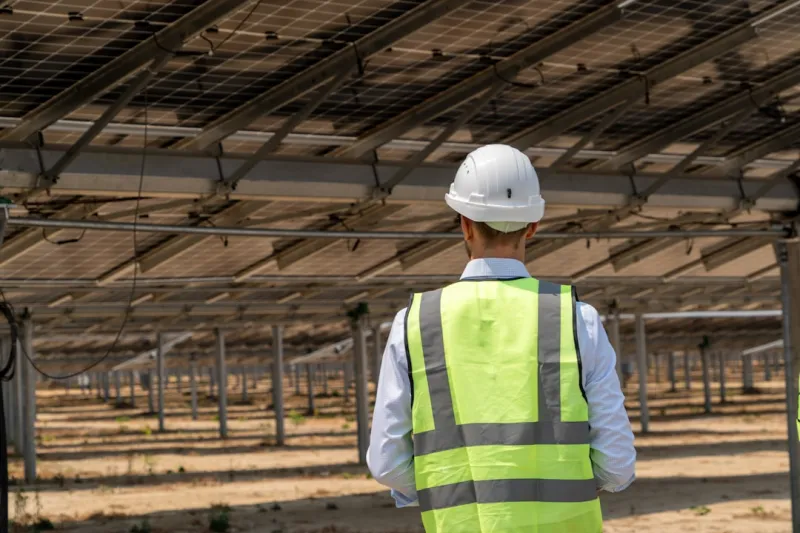
The Foundation of Sustainable Construction: Why Energy Inspections Matter
As the world becomes increasingly aware of the importance of sustainability, the construction industry is shifting towards more eco-friendly practices. One crucial aspect of sustainable construction is ensuring that buildings are energy-efficient and have a minimal environmental impact. A key step in achieving this is through energy inspections, which play a vital role in identifying areas of improvement and optimizing energy consumption. In this article, we will explore the significance of energy inspections in construction and why they are essential for a sustainable future.
The Role of Energy Inspections in Sustainable Construction
Energy inspections are a critical component of sustainable construction, as they help identify energy-saving opportunities and reduce energy waste. By conducting thorough energy audits, construction professionals can pinpoint areas of inefficiency and develop strategies to improve energy performance. This not only reduces energy consumption but also lowers greenhouse gas emissions, contributing to a more sustainable environment. Energy inspections are essential for ensuring that buildings meet energy efficiency standards and regulations, making them a crucial step in the construction process.
The Benefits of Energy Inspections
The benefits of energy inspections are numerous, ranging from cost savings to environmental benefits. By identifying areas of energy inefficiency, construction professionals can implement targeted solutions to reduce energy consumption, resulting in significant cost savings over time. Additionally, energy inspections help reduce greenhouse gas emissions, contributing to a more sustainable environment. Some of the key benefits of energy inspections include:
- Reduced energy consumption and costs
- Improved energy efficiency and performance
- Enhanced environmental sustainability
- Increased property value and marketability
- Compliance with energy efficiency regulations and standards
The Connection between Energy Inspections and Sustainable Building Practices
Energy inspections are closely linked to sustainable building practices, as they help ensure that buildings are designed and constructed with energy efficiency in mind. Sustainable building practices, such as using energy-efficient materials and optimizing building orientation, can significantly reduce energy consumption and environmental impact. By incorporating energy inspections into the construction process, builders can ensure that their buildings meet the highest standards of sustainability and energy efficiency.
The Future of Sustainable Construction
The future of sustainable construction is exciting and rapidly evolving. As technology continues to advance, we can expect to see new and innovative solutions emerge, enabling builders to create even more sustainable and energy-efficient buildings. Sustainable architectural design is becoming increasingly important, as builders and architects prioritize energy efficiency and environmental sustainability. By embracing energy inspections and sustainable building practices, we can create a more sustainable future for generations to come.
Best Practices for Energy Inspections
To ensure that energy inspections are effective, it's essential to follow best practices. Some key considerations include:
- Hiring qualified and experienced energy inspectors
- Using advanced energy auditing tools and software
- Conducting thorough and comprehensive energy audits
- Providing detailed and actionable recommendations for improvement
- Continuously monitoring and evaluating energy performance
The Importance of Energy Efficiency in Construction
Energy efficiency is a critical component of sustainable construction, as it directly impacts the environmental sustainability and energy performance of buildings. By prioritizing energy efficiency, builders can create buildings that are not only environmentally friendly but also cost-effective and comfortable. Energy efficiency can be achieved through a range of strategies, including optimizing building design, using energy-efficient materials, and implementing energy-saving technologies.
Conclusion
In conclusion, energy inspections are a crucial aspect of sustainable construction, enabling builders to identify areas of energy inefficiency and develop targeted solutions to improve energy performance. By prioritizing energy inspections and sustainable building practices, we can create a more sustainable future for generations to come. As the construction industry continues to evolve, it's essential that we prioritize energy efficiency and environmental sustainability, ensuring that our buildings are not only sustainable but also comfortable, cost-effective, and environmentally friendly.

William Roy is a freelance writer originally from Montreal who moved to Ottawa with his wife of 50 years to be closer to their grandkids. Alongside his writing, William has a passion for fishing.
Related Posts

The Foundation Revolution: How Real‑Time Data Is Redefining Site Stability
Foundations are evolving from static concrete slabs into data‑rich, intelligent systems. Learn how... Read More

Beyond Concrete: Rethinking Foundations for a Greener Tomorrow
A deep dive into sustainable foundation practices, from low‑carbon binders and thermal insulation ... Read More
Beyond the Concrete: How Smart Foundations Future‑Proof Your Build
A deep dive into emerging foundation technologies—real‑time monitoring, carbon‑reduced mixes, ... Read More
Top Posts

Choosing the Perfect Countertop for a Sustainable, Smart Kitchen
Explore the best sustainable countertop materials, from quartz to reclaimed wood, and learn how smart features and smart maintenance can extend their life while...Read More
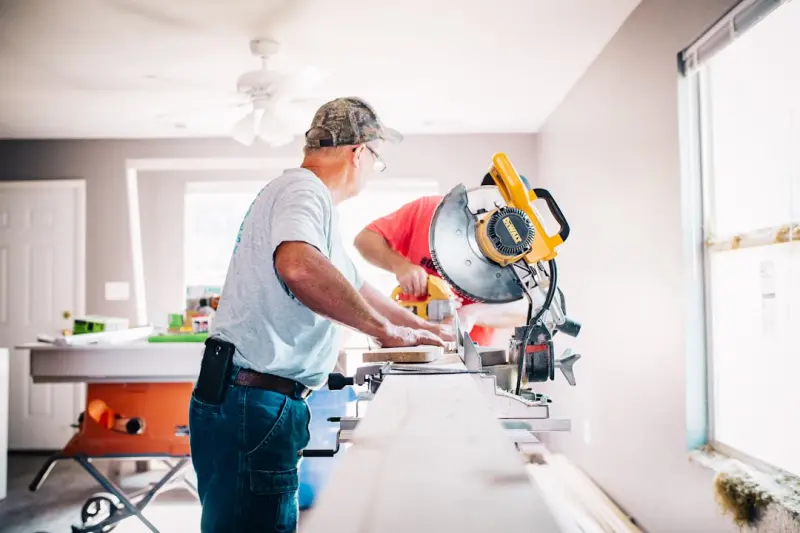
The Ultimate Renovation Checklist for Aging‑In‑Place Homes
Discover a comprehensive, printable checklist that guides homeowners through every stage of an aging‑in‑place renovation—from safety audits and smart tech...Read More

Paving the Way: Turning Hardscapes into a Competitive Advantage
A forward‑looking look at how data‑driven paving transforms concrete from a passive surface into a strategic asset that enhances safety, sustainability, and...Read More
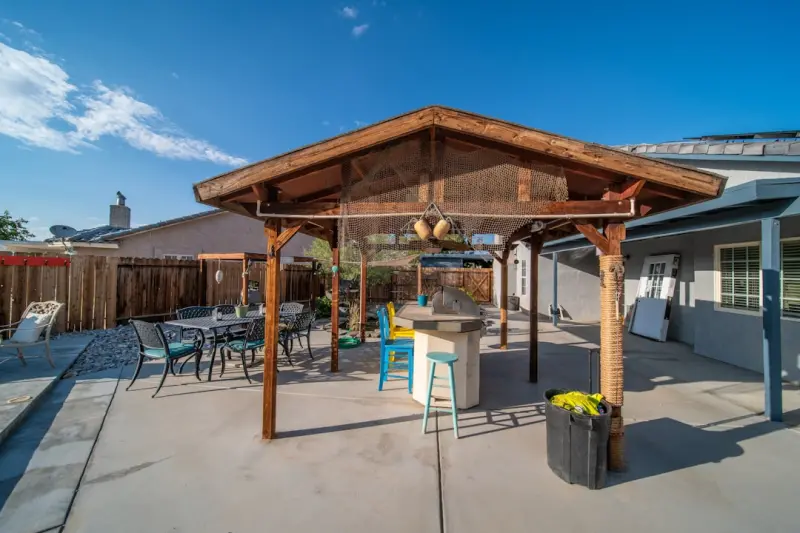
Backyard Retreats: Turning Sheds and Gazebos into Personal Sanctuaries
A guide to reimagining sheds and gazebos as flexible, sustainable retreats—covering purpose, materials, design tricks, tech integration, and community buildin...Read More
0 Comments
Post Comment
You will need to Login or Register to comment on this post!