
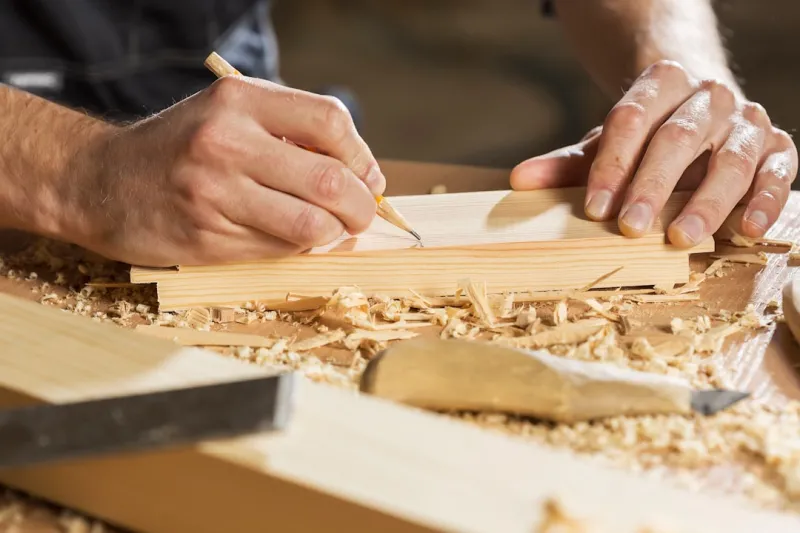
The Art of Woodworking: A Comprehensive Guide to Creating Beautiful Pieces
Introduction to Woodworking
Woodworking is a timeless craft that has been passed down through generations. It involves creating beautiful and functional pieces of furniture, decorations, and other items from wood. Woodworking requires a combination of creativity, skill, and attention to detail. Whether you are a beginner or an experienced woodworker, there is always something new to learn and explore in this fascinating craft. In this article, we will provide a comprehensive guide to woodworking, covering the basics, tools, techniques, and safety precautions.
Woodworking has been a part of human history for thousands of years, with ancient civilizations using wood to create tools, furniture, and buildings. Today, woodworking is enjoyed by people all over the world, from hobbyists to professional craftsmen. With the advancement of technology, new tools and techniques have been developed, making woodworking more accessible and efficient. However, the fundamental principles of woodworking remain the same, requiring patience, dedication, and a passion for creating something with your own hands.
Basic Woodworking Tools
To get started with woodworking, you will need a few basic tools. These include a table saw, miter saw, drill press, sander, and clamps. These tools will allow you to cut, shape, and assemble wood pieces. As you progress in your woodworking journey, you can add more tools to your collection, such as a router, jigsaw, and lathe. It is essential to choose high-quality tools that are suitable for your skill level and budget.
In addition to power tools, hand tools are also essential in woodworking. These include chisel sets, hand saws, files, and sandpaper. Hand tools allow for more precision and control, and are often used for detailed work and finishing. When selecting hand tools, look for ones that are well-made and comfortable to use.
Woodworking Techniques
There are several woodworking techniques that you should master, including cutting, joinery, sanding, and finishing. Cutting involves using various saws and tools to cut wood into desired shapes and sizes. Joinery involves connecting two or more pieces of wood together using various joints, such as dovetail, mortise and tenon, and dado. Sanding involves smoothing out wood surfaces to prepare them for finishing. Finishing involves applying a protective coating, such as stain, varnish, or polyurethane, to enhance the appearance and durability of the wood.
When it comes to cutting, it is essential to choose the right saw for the job. For example, a table saw is ideal for making straight cuts, while a miter saw is better suited for making precise angled cuts. Joinery requires a combination of skill and patience, as it involves creating precise joints that fit together perfectly.
Safety Precautions
Woodworking can be a hazardous activity if proper safety precautions are not taken. Always wear safety glasses, ear protection, and a dust mask when working with power tools. Keep loose clothing and long hair tied back, and avoid wearing jewelry that could get caught in tools. Make sure your workspace is well-ventilated and free from distractions.
In addition to personal protective equipment, it is also essential to maintain your tools and equipment. Regularly check your tools for damage and wear, and replace them as needed. Keep your workspace clean and organized, and avoid overloading your tools.
Woodworking Projects for Beginners
If you are new to woodworking, start with simple projects, such as building a birdhouse, picture frame, or shelf. These projects will help you develop fundamental skills, such as cutting, drilling, and assembling. As you gain more experience, you can move on to more complex projects, such as building a table, chair, or cabinet.
When selecting a project, consider your skill level and the tools you have available. Start with projects that require minimal tools and equipment, and gradually move on to more complex projects.
Advanced Woodworking Techniques
Once you have mastered the basics, you can explore more advanced woodworking techniques, such as intarsia, inlay, and carving. These techniques involve creating intricate designs and patterns using wood. Intarsia involves creating images or designs using small pieces of wood, while inlay involves inserting wood or other materials into a wood surface. Carving involves using hand tools to create three-dimensional designs or sculptures.
Advanced woodworking techniques require a high level of skill and patience. It is essential to practice and hone your skills before attempting complex projects.
Common Mistakes to Avoid
As a woodworker, you will inevitably make mistakes. However, there are common mistakes that you can avoid. These include incorrect measurements, poorly prepared wood surfaces, and inadequate clamping. Always double-check your measurements, and make sure your wood surfaces are smooth and even. Use proper clamping techniques to ensure that your pieces are securely held together.
In addition to these common mistakes, it is also essential to avoid overworking your wood. This can lead to warping, cracking, or discoloration. Always work with wood in a well-ventilated area, and avoid exposing it to extreme temperatures or humidity.
Conclusion
Woodworking is a rewarding and challenging craft that requires patience, skill, and attention to detail. Whether you are a beginner or an experienced woodworker, there is always something new to learn and explore. By mastering the basics, practicing safety precautions, and avoiding common mistakes, you can create beautiful and functional pieces of furniture and decorations. Remember to always follow your passion and creativity, and don't be afraid to try new things.
In conclusion, woodworking is a journey that requires dedication and perseverance. With the right tools, techniques, and mindset, you can create stunning pieces that will be treasured for generations to come. So, get started today, and discover the joy and satisfaction of woodworking.
Additional Resources
If you are interested in learning more about woodworking, there are many resources available online and in-person. You can find tutorials, videos, and classes that will help you improve your skills and knowledge. Some popular resources include The Spruce, Woodcraft, and The Wood Whisperer. These resources will provide you with valuable information and inspiration to help you on your woodworking journey.
By taking advantage of these resources, you can continue to learn and grow as a woodworker. Remember to always practice safety precautions, and never stop exploring and experimenting with new techniques and projects.

Lifan Chen is a freelancer based in Toronto specializing in marketing. With expertise in crafting effective marketing strategies and campaigns, Lifan helps businesses grow their brand presence and reach target audiences. As a Toronto-based freelancer, Lifan combines local market insights with creative marketing skills to deliver tailored solutions for clients.
Related Posts

Modular Woodworking: Designing Flexible Furniture That Grows With You
Learn the secrets of modular woodworking: from smart joinery and reclaimed lumber to hidden tech int... Read More
Why Live‑Edge Woodworking Is the Next Frontier for Makers
Live‑edge woodworking transforms raw timber into striking, sustainable furniture. This article exp... Read More

When Grain Meets Code: The Rise of Smart Woodworking
Discover the emerging world of smart woodworking, where sensors, AI, and data-driven insights enhanc... Read More
Top Posts

Smart Sustainable Awnings for Outdoor Living
Explore the evolution of awnings into smart, sustainable outdoor skins that generate energy, adapt to weather, and become a stylish extension of your home....Read More

Why Bathtub Refinishing Beats Replacement for Smart Homeowners
Refinishing your tub can be a smarter, greener alternative to costly replacements. Learn the financial, aesthetic, and environmental perks, plus pro tips for a ...Read More

Autonomous Lawns: How Smart Mowers, Solar Power, and Data Are Redefining Grass Care
Explore the rise of autonomous lawn care, from AI‑driven mowers and solar docks to integrated IoT irrigation, and learn how these technologies create greener,...Read More

Reinventing Commercial Spaces with Digital Twins: A Blueprint for Smarter Renovations
Digital twins are reshaping commercial renovations by providing real‑time, data‑rich models that cut costs, accelerate timelines, and enhance sustainability...Read More
0 Comments
Post Comment
You will need to Login or Register to comment on this post!