
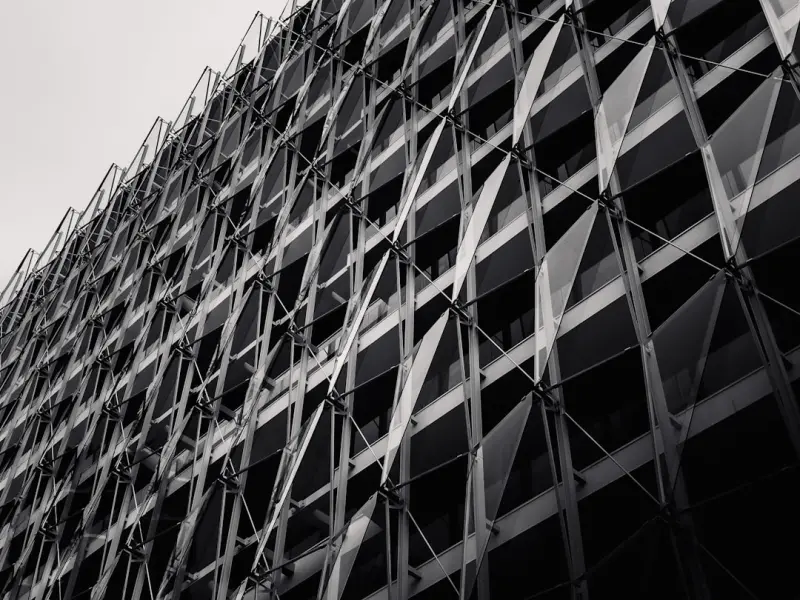
Why Facades Need to Evolve
When I first stepped onto a construction site, the façade was the first thing that caught my eye—its texture, its colour, its interaction with the sky. Yet, as climate patterns become more erratic and urban densities climb, the static skin of a building is no longer sufficient. Modern architecture demands façades that breathe, react, and even learn. This shift isn’t just aesthetic; it’s a strategic response to performance, occupant wellbeing, and long‑term asset value.
The Science Behind Adaptive Envelopes
Adaptive façades marry material science with control algorithms. Imagine a skin that darkens on sweltering afternoons to reject solar heat, then becomes translucent at dawn to harvest daylight. Engineers achieve this with electrochromic glass, phase‑change materials, and shape‑memory alloys. The real magic, however, lies in the data loop: sensors feed temperature, humidity, and solar irradiance into a building‑management system that continuously recalibrates the façade’s behavior.
Data‑Driven Decision Making at the Envelope Level
In many projects we still rely on static calculations—once‑off simulations that never see the day‑to‑day reality of a building. By integrating continuous IoT audits into the façade’s control logic, we transform those static numbers into living metrics. Real‑time feedback tells us when a panel is under‑performing, when a seal is degrading, or when shading devices should be repositioned. This data‑centric approach turns the envelope from a passive barrier into an active performance asset.
Case Study: A Mid‑Rise Office That “Learns”
Last year our team retrofitted a 12‑story office block with an adaptive façade system. The building originally suffered from glare‑induced fatigue and a 30 % spike in HVAC loads during summer. After installing sensor‑rich glazing and a cloud‑based control hub, the façade began to modulate its opacity based on real‑time solar gain. Within three months, occupants reported a noticeable reduction in glare, and energy analytics showed a 22 % drop in cooling demand. The façade’s self‑optimizing algorithm also flagged a compromised seal in the north wing, prompting a pre‑emptive repair that saved an estimated $12 k in water‑damage mitigation.
Balancing Aesthetics and Function
There’s a lingering myth that performance‑driven façades sacrifice beauty. On the contrary, adaptive systems open new design vocabularies. Architects can now choreograph colour shifts that echo seasonal changes, or create kinetic patterns that respond to pedestrian traffic. These visual narratives reinforce brand identity while serving a functional purpose. The challenge is to embed the technology subtly—so the building feels alive without appearing “gimmicky.”
Material Selection: From Tradition to Innovation
Choosing the right material palette is a dialogue between durability, sustainability, and adaptability. Traditional brick or stone can be paired with thin‑film photovoltaic layers, turning the façade into a distributed energy generator. Meanwhile, bio‑based composites—like mycelium‑infused panels—offer low‑embodied carbon and can be engineered to respond to humidity, swelling slightly to improve insulation when moisture levels rise. The key is to treat each material as a node in a larger, responsive system rather than an isolated element.
Integrating with Structural Foundations
Even the most sophisticated façade must respect the building’s core structure. Recent advances in foundation monitoring, highlighted in real‑time data for site stability, provide a blueprint for this integration. By sharing sensor data across the foundation and envelope, engineers can detect differential settlement that might stress moving façade components. This cross‑disciplinary data sharing ensures that adaptability does not compromise structural integrity.
Lifecycle Considerations and Maintenance
Adaptive façades introduce new maintenance paradigms. Instead of periodic visual inspections, predictive analytics guide service crews to the exact component that needs attention. Firmware updates become part of the building’s digital twin, allowing performance tweaks without physical intervention. Moreover, modular panel designs simplify replacement: a faulty electrochromic strip can be swapped out in hours, not days.
Regulatory Landscape and Incentives
Many municipalities are beginning to recognize the environmental benefits of dynamic façades. Energy‑performance certificates now include credits for responsive envelope technologies. In some regions, tax incentives are offered for façades that demonstrably reduce cooling loads by a set percentage. Understanding these policy levers can unlock additional budget for innovative design, turning regulatory compliance into a financial advantage.
Future Outlook: Towards a Fully Integrated Building Skin
The next frontier lies in merging façade control with broader smart‑building ecosystems—lighting, HVAC, and even occupancy analytics. Imagine a scenario where the façade anticipates a conference room’s occupancy, pre‑emptively adjusting translucency to optimize daylight while reducing glare on screens. Or a façade that coordinates with an on‑site micro‑grid, storing excess solar energy during low demand and releasing it during peak loads.
These possibilities hinge on open standards and interoperable platforms. As architects, we must champion data‑open designs, ensuring that tomorrow’s building skins can speak fluently with the rest of the digital infrastructure.
Practical Steps for Architects Ready to Embrace Adaptive Façades
- Start with a performance brief. Define measurable targets for solar gain, glare, and energy consumption before selecting technologies.
- Collaborate early with engineers. Engage façade consultants, sensor specialists, and structural analysts from concept phase.
- Prototype at scale. Use mock‑ups or virtual reality simulations to test visual impact and control algorithms.
- Plan for data stewardship. Establish a clear ownership model for sensor data, analytics, and maintenance workflows.
- Leverage existing case studies. Reference successful implementations—like the office retrofit described above—to build confidence with stakeholders.
Conclusion
Adaptive façades are no longer a futuristic curiosity; they are becoming a pragmatic tool for architects who want to deliver resilient, energy‑efficient, and emotionally resonant spaces. By marrying material innovation with real‑time data, we turn the building envelope into a living partner—one that protects, enhances, and evolves alongside its occupants. The journey begins with curiosity, continues with collaboration, and culminates in a skin that truly reflects the pulse of the building it serves.

Lifan Chen is a freelancer based in Toronto specializing in marketing. With expertise in crafting effective marketing strategies and campaigns, Lifan helps businesses grow their brand presence and reach target audiences. As a Toronto-based freelancer, Lifan combines local market insights with creative marketing skills to deliver tailored solutions for clients.
Related Posts

Kinetic Facades: Dynamic Architecture for Climate Adaptation and User Engagement
Kinetic façades turn static building skins into responsive systems that adapt to sunlight, wind, an... Read More
The Future of Architectural Design: How Sustainable Practices Are Revolutionizing the Industry
The intersection of architectural design and sustainable practices is revolutionizing the industry. ... Read More
Algorithmic Architecture: Crafting Form with Code
Algorithmic architecture merges code with craft, letting designers generate responsive, efficient fo... Read More
Top Posts

Everyday Home Wellness: Simple Tips for a Healthier Living Space
Transform your home into a sanctuary of health and calm with simple, everyday actions—air‑freshening tricks, natural cleaning recipes, mindful decluttering,...Read More

Smart Glass Windows: The Future of Light, Privacy, and Energy Efficiency
Explore the rise of smart glass windows, their integration with home systems, energy benefits, and future trends that turn glass into an active, sustainable hom...Read More

Beyond the Sheet: Modern Strategies for Long‑Lasting Waterproofing
Explore innovative waterproofing methods that combine breathable membranes, green sealants, and sensor tech to protect homes while minimizing environmental impa...Read More

Beyond Warmth: How Smart Floor Heating Redefines Commercial Comfort
Floor heating is evolving from a luxury add‑on to a strategic asset, offering uniform warmth, lower energy costs, and health benefits while integrating with s...Read More
0 Comments
Post Comment
You will need to Login or Register to comment on this post!