

Why Kinetic Facades Are the Next Frontier in Architectural Design
When I first walked past a building whose skin seemed to breathe with the wind, I felt a jolt of excitement that reminded me why I fell in love with architecture. It wasn’t just the aesthetic—there was a subtle choreography, a dialogue between the structure and its environment that felt alive. That moment sparked my curiosity about kinetic facades, a design strategy that transforms static exteriors into responsive, dynamic systems.
From Static Cladding to Living Skin
Traditional façades have always been about protection and visual identity. They shield interiors from weather, provide insulation, and convey a brand’s personality. Yet, as climate patterns become more unpredictable and occupants demand richer experiences, the static nature of conventional cladding is increasingly limiting.
Kinetic facades break that limitation by embedding motion into the envelope. Panels, louvers, shading devices, and even entire sections can rotate, tilt, or translate in response to sunlight, wind, temperature, or user input. The result is an exterior that adapts—reducing energy loads, improving daylight quality, and creating a sense of place that evolves throughout the day.
The Core Benefits of a Responsive Envelope
- Energy Efficiency: By modulating solar gain in real time, kinetic systems can cut cooling loads up to 30 % in hot climates and retain heat when it’s needed, reducing reliance on mechanical HVAC.
- Occupant Comfort: Dynamic shading and ventilation improve daylight distribution, minimize glare, and enhance indoor air quality without sacrificing views.
- Brand Differentiation: A building that visibly reacts to its environment becomes a landmark, reinforcing a company’s commitment to innovation and sustainability.
- Resilience: Adjustable façades can act as a first line of defense against extreme weather, shedding wind pressure or redirecting rainwater to protect the envelope.
Technology Enablers: Sensors, Algorithms, and Actuators
The magic behind kinetic façades lies in the seamless integration of three technology layers:
- Sensing: Light sensors, temperature probes, wind anemometers, and occupancy detectors collect data about external and internal conditions.
- Intelligence: Edge computing platforms run algorithms that translate raw data into actionable commands—deciding when to open a louver, tilt a panel, or deploy a shading membrane.
- Actuation: Motors, pneumatic cylinders, or shape‑memory alloys execute the commands with precision and speed.
These components are increasingly modular, allowing architects to specify the level of responsiveness that matches a project’s budget and performance goals.
Designing for Integration: The Architectural Workflow
Incorporating kinetic façades into a design process demands early collaboration between architects, engineers, and technology partners. Here’s a practical workflow I’ve refined over the past projects:
- Conceptual Sketching: Visualize how the façade will move and what narrative it will convey. Sketches should explore the range of motion and its impact on interior spaces.
- Performance Modeling: Use daylight and energy simulation tools (e.g., Radiance, EnergyPlus) with dynamic façade parameters to predict savings and comfort outcomes.
- Prototype Testing: Build a scaled physical or digital prototype to validate motion mechanisms, control logic, and durability.
- Systems Coordination: Align the façade’s actuation schedule with HVAC, lighting, and building management systems. This is where the intelligent gutter strategy offers a useful analogy—both systems rely on data‑driven decision‑making to protect the building envelope.
- Documentation & Commissioning: Produce detailed operation manuals and set up continuous monitoring dashboards to ensure the kinetic skin performs as intended over its lifespan.
Case Study: A Corporate Campus That “Breathes”
One of the most compelling examples I’ve encountered is a tech campus in a temperate coastal city. The building’s skin consists of a grid of aluminum panels mounted on motorized hinges. Each panel can rotate up to 120 degrees, allowing it to act as a shading device in summer and a solar collector in winter.
During a sunny summer afternoon, the system automatically tilts panels to block direct glare, while still permitting diffused daylight to flood the workspaces. In winter, the same panels open wider, capturing low‑angle sunlight and channeling it onto high‑efficiency photovoltaic strips integrated behind the façade.
Beyond energy metrics, employees report a heightened sense of connection to the outdoors. The façade’s subtle movement creates a living rhythm that influences how people perceive time and space within the building.
Linking Kinetic Façades to Other Adaptive Systems
Dynamic envelopes don’t exist in isolation. They are most powerful when paired with other adaptive building components. For instance, adaptive window treatments can complement kinetic panels by fine‑tuning glare control at the glazing level. When both systems communicate through a central BMS, they can orchestrate a holistic response—adjusting exterior shading, interior blinds, and HVAC setpoints in concert.
This integrated approach also opens opportunities for data analytics. By aggregating sensor streams from the façade, windows, and indoor environment, facilities managers gain actionable insights into occupancy patterns, thermal comfort trends, and energy consumption—all of which feed back into continuous optimization loops.
Implementation Considerations and Pitfalls
While the promise of kinetic façades is enticing, successful deployment hinges on careful planning:
- Maintenance Planning: Moving parts require regular inspection. Choose robust actuators and design for easy access to minimize service disruptions.
- Cost-Benefit Analysis: Perform a lifecycle cost assessment. Although upfront costs are higher, the reduction in energy bills and the intangible branding value often justify the investment.
- Control Strategy Transparency: Occupants should understand why the façade moves. Providing visual cues or a simple dashboard helps build trust and acceptance.
- Weatherproofing: Ensure that joints and seams remain sealed throughout the range of motion to prevent water infiltration—a challenge that can be mitigated with thoughtful detailing and high‑performance sealing systems.
The Future Outlook: From Reactive to Predictive
We are on the cusp of a shift from reactive façades—systems that respond only after conditions change—to predictive façades that anticipate weather patterns using AI and weather‑forecast data. Imagine a building that pre‑positions its shading devices an hour before a heatwave arrives, or that adjusts its transparency to maximize daylight on a cloudy morning based on forecasted cloud cover.
Such foresight requires a robust data infrastructure and seamless integration with city‑wide climate monitoring platforms. As urban digital twins become more prevalent, kinetic façades will play a pivotal role in synchronizing individual building performance with neighborhood‑scale sustainability goals.
Conclusion: Embracing Motion as a Design Language
Kinetic façades are more than a technological gimmick; they are an evolution of architectural language—one that speaks to adaptability, resilience, and human experience. By weaving motion into the skin of our buildings, we create structures that not only protect but also engage, inspire, and respond to the world around them. The challenge now lies in scaling these solutions, refining their control logic, and educating stakeholders about the long‑term value they deliver.
As designers, we have the opportunity to redefine what a façade can be. Let’s embrace that motion, and in doing so, craft environments that truly breathe with us.

Lifan Chen is a freelancer based in Toronto specializing in marketing. With expertise in crafting effective marketing strategies and campaigns, Lifan helps businesses grow their brand presence and reach target audiences. As a Toronto-based freelancer, Lifan combines local market insights with creative marketing skills to deliver tailored solutions for clients.
Related Posts

Designing for Cognitive Wellness: Architecture That Minds the Brain
A deep dive into designing spaces that support mental clarity, emotional balance, and productivity, ... Read More
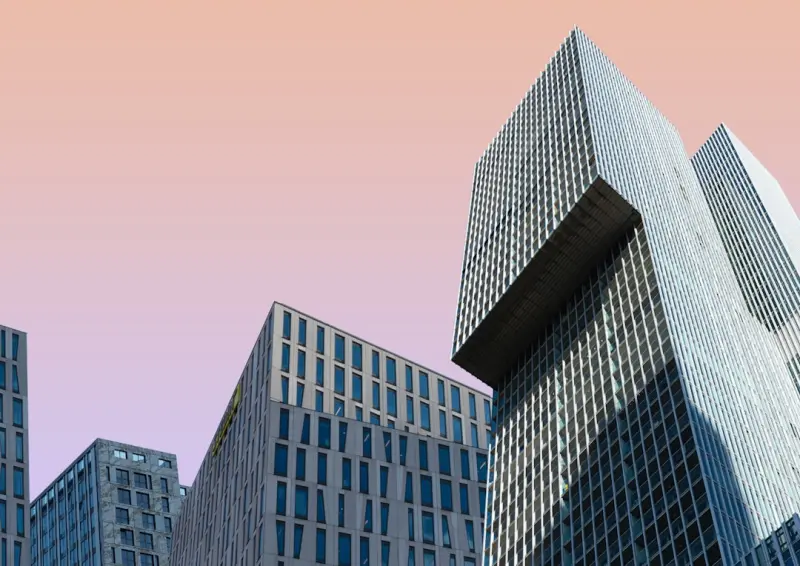
When Buildings Learn to Breathe: The Rise of Adaptive Facades
Adaptive façades turn static walls into living skins, using smart glass, kinetic louvers, and respo... Read More

Algorithmic Architecture: Crafting Form with Code
Algorithmic architecture merges code with craft, letting designers generate responsive, efficient fo... Read More
Top Posts
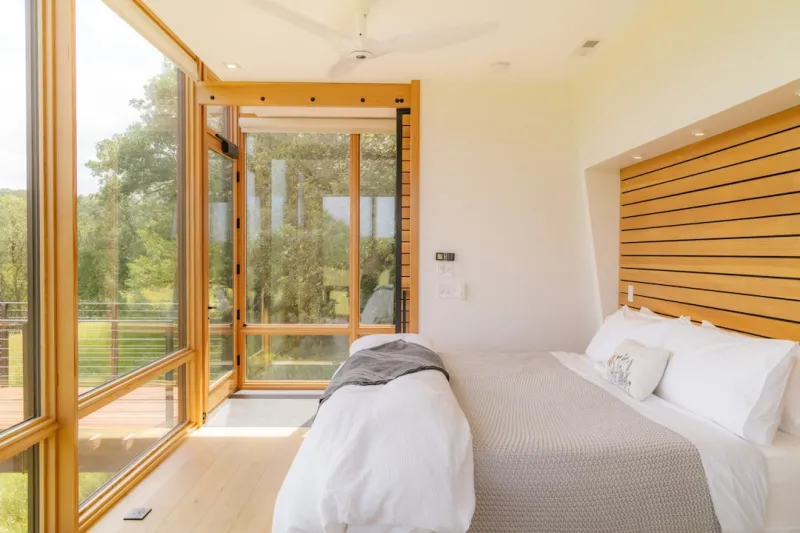
The Modern Homeowner’s Guide to Sustainable Windows and Doors
Explore how high‑performance glazing, smart integrations, and sustainable materials are reshaping windows and doors, with actionable maintenance hacks for las...Read More
Reimagining the Deck: From Static Platform to Adaptive Outdoor Stage
A deck can be more than a simple extension; it can become a responsive, adaptable space that supports everything from quiet coffee moments to vibrant gatherings...Read More

Embracing Sustainable Window Treatments for a Greener Future
Learn how sustainable window treatments can reduce energy consumption, improve indoor air quality, and create a healthier living space. Explore the latest trend...Read More

Predictive Permit Intelligence: Turning Data Into Faster Project Starts
A data‑driven approach to construction permits can reveal hidden bottlenecks, reduce idle time, and transform regulatory uncertainty into a strategic advantag...Read More
0 Comments
Post Comment
You will need to Login or Register to comment on this post!