
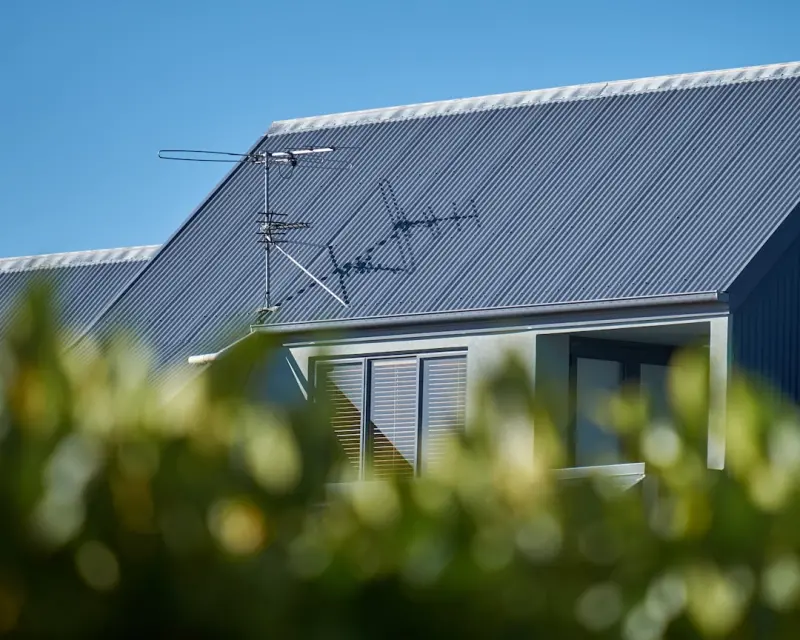
Rethinking Weatherproofing: From Static Barriers to Living Systems
When I first tackled a leaky roof in my childhood home, I learned that traditional weatherproofing feels more like a one‑time patch than a lasting solution. The reality is that weather is a constantly shifting force, and static sealants quickly lose their grip under repeated thermal expansion, moisture cycles, and wind pressure. Modern homes demand a proactive strategy that anticipates change instead of merely reacting to damage after it appears. By treating the building envelope as a dynamic, living system, we can embed resilience that adapts in real time, reducing costly repairs and keeping indoor comfort stable throughout the seasons.
One of the most effective ways to start this transformation is by conducting a thorough audit of hidden ingress points—areas that most homeowners overlook, such as recessed window flashing, attic stairwell hatches, and even the seams around utility penetrations. I use a combination of infrared thermography and a handheld blower door test to map air leakage patterns, then prioritize sealing based on the highest heat loss zones. While the process sounds technical, the payoff is immediate: a noticeable reduction in draft, lower heating bills, and a quieter indoor environment. For those looking to blend this audit with smart home tech, seasonal appliance tune‑ups provide an excellent entry point, as they often include sensor integration that can flag unexpected temperature spikes caused by hidden leaks.
Beyond simple caulking, the next frontier is the application of flexible, breathable membranes that expand and contract with the house’s natural movement. These engineered barriers, often made from polymer‑infused fabrics, allow moisture vapor to escape while stopping rain and wind infiltration. The key advantage over traditional rigid flashings is that they accommodate structural shifts without cracking, preserving the seal for decades. Installation is straightforward for DIY enthusiasts—apply a self‑adhesive primer, lay the membrane, and heat‑seal the seams—yet the long‑term performance rivals that of professional roofing systems.
Integrating these membranes with a smart ventilation system creates a feedback loop that continuously optimizes indoor pressure. Sensors monitor humidity, temperature, and barometric pressure, feeding data to a central hub that adjusts exhaust fans and intake louvers on the fly. This approach not only mitigates condensation risks in tight homes but also ensures that the building “breathes” in harmony with external conditions. The result is a healthier indoor climate, fewer mold hotspots, and an energy profile that aligns with sustainability goals without sacrificing comfort.
IoT‑Driven Barriers: Turning Data Into Protection
Imagine a home that knows when a storm front is approaching and automatically reinforces its weakest points before the first drop hits. With the rise of low‑cost, low‑power IoT modules, this vision is no longer a far‑off concept. By placing miniature weather stations on the roof and integrating them with an automated sealing system, you can trigger micro‑sprays of expanding sealant at critical joints the moment wind pressure spikes. This proactive defense dramatically cuts the risk of water intrusion during high‑intensity events, especially in older homes where sealants have aged.
Another layer of intelligence comes from pairing your weatherproofing strategy with an adaptive façade that reacts to sunlight and precipitation. While many associate adaptive facades with commercial skyscrapers, the principles can be scaled down for residential use. Dynamic shading panels, for instance, tilt to shed rainwater while simultaneously reducing solar gain in summer. For a deeper dive into how these systems work, see When Buildings Learn to Breathe: The Rise of Adaptive Facades, which illustrates how responsive skins can be retrofitted onto existing exteriors without major structural overhaul.
Data collected from these sensors also informs long‑term maintenance schedules. Rather than relying on a calendar, your home’s system can predict when a sealant will likely fail based on cumulative exposure metrics. This predictive maintenance model aligns perfectly with the concept of “smart home longevity,” where every component— from the HVAC to the roof—reports its health status. When the system flags a potential failure, you receive a notification with a step‑by‑step guide, turning what used to be a costly emergency into a scheduled, budget‑friendly task.
Of course, technology is only as good as its implementation. Selecting the right hardware—weather‑proof enclosures, reliable wireless protocols, and battery‑backed power supplies—is essential to avoid false alarms or system downtime. I recommend starting with a modular kit that can be expanded over time, allowing you to test the integration on one side of the house before a full rollout. This phased approach also gives you the flexibility to fine‑tune sensor thresholds based on your local climate patterns, ensuring that the system reacts appropriately without over‑reacting to minor fluctuations.
Beyond the high‑tech aspects, there’s a strong human element to successful weatherproofing. Engaging family members in simple daily checks—like confirming that gutter downspouts are clear after a rainstorm—creates a culture of vigilance that complements the automated systems. When everyone understands the “why” behind each action, the household becomes a cohesive unit dedicated to protecting the structure. This shared responsibility not only prolongs the life of the building envelope but also fosters a sense of pride in maintaining a resilient, comfortable home.
Finally, consider the broader environmental impact of a well‑weatherproofed residence. By minimizing drafts and leaks, you reduce the demand on heating and cooling systems, directly lowering your carbon footprint. Moreover, using recyclable, low‑VOC sealants and membranes aligns the project with green building standards, potentially qualifying you for local energy‑efficiency incentives. The combination of reduced energy consumption, longer‑lasting materials, and lower maintenance costs translates into tangible savings that add up year after year.
In the end, weatherproofing has evolved from a reactive afterthought into a proactive, data‑driven discipline. By blending thorough audits, flexible membranes, and IoT‑enabled monitoring, you can transform your home into a robust shelter that not only withstands today’s weather extremes but also adapts to tomorrow’s climate challenges. The journey begins with a single inspection, but the payoff—a safer, more comfortable, and energy‑efficient home—rewards every effort.

David MacKinnon is a dynamic freelance writer known for his captivating storytelling and keen insights into the world of technology. With a passion for exploring the intersection of innovation and everyday life, he crafts engaging narratives that not only inform but also inspire his readers.
Related Posts

Weather‑Smart Home Envelopes: Proven Strategies for Year‑Round Protection
A comprehensive guide to weather‑proofing your home, covering air tightness, water management, the... Read More

Weathering the Storm: A Comprehensive Guide to Home Weather Proofing
Discover the importance of home weather proofing and learn various methods and techniques to make yo... Read More

Seasoned Strategies for Making Your Home Weather‑Resilient
Learn step‑by‑step how to audit vulnerabilities, apply modern weather‑stripping, reinforce doo... Read More
Top Posts

Future‑Ready Home Additions: Building Spaces That Grow With You
Discover a strategic approach to home additions that prioritizes flexibility, wellness, and long‑term value, ensuring new spaces evolve alongside your lifesty...Read More

Smart Waterproofing: Turning Your Home’s Barrier Into a Living System
Learn how to upgrade traditional waterproofing with smart, breathable barriers and sensor‑driven maintenance for lasting, sustainable protection....Read More

Reimagining Furniture Restoration: Craft Meets Science
A deep dive into merging traditional woodworking skills with modern science, offering step‑by‑step diagnostics, material selection, and protective strategie...Read More
The Art of Sustainable Window Treatments: Style Meets Efficiency
From reclaimed wood blinds to low‑VOC curtains, I share the journey of choosing window treatments that honor sustainability while delivering the look I love. ...Read More
0 Comments
Post Comment
You will need to Login or Register to comment on this post!