
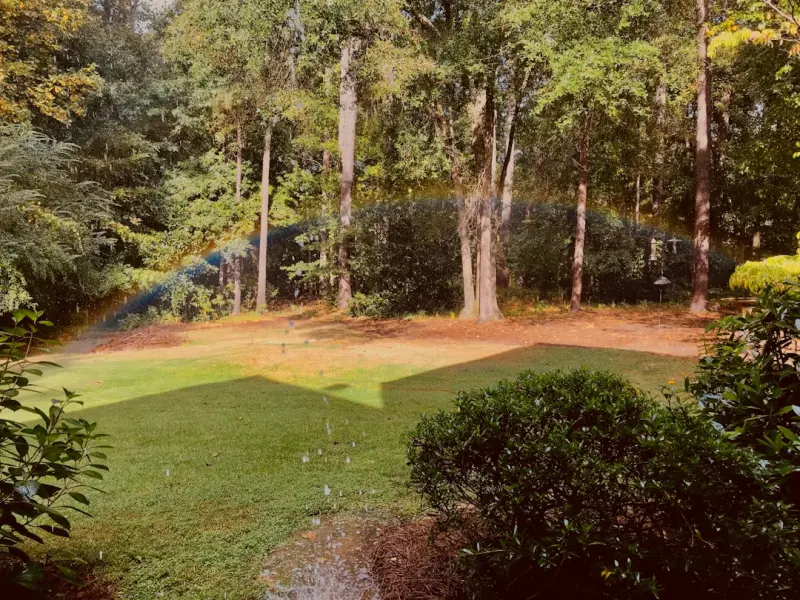
When Your Landscape Becomes the First Line of Defense
Most homeowners think of weather‑proofing as a series of upgrades that happen inside the four walls – insulated attics, sealed basements, high‑efficiency windows. What if the most powerful shield lives outside those walls? By shaping the land around your home into a strategic, climate‑responsive system, you can dramatically reduce the impact of wind, rain, snow, and even extreme heat before they ever touch your siding.
The Science of a Protective Micro‑climate
Every property sits within its own micro‑climate, a subtle blend of wind patterns, sun exposure, and moisture flow dictated by terrain, vegetation, and hardscape. When you understand these variables, you can manipulate them. Think of it as landscape engineering – not merely planting a few shrubs for curb appeal, but deliberately positioning earthworks, plantings, and water‑management features to buffer your home against the elements.
1. Grading with Purpose
The first, and often overlooked, step is how the ground slopes away from the foundation. A proper grade directs runoff downhill, keeping basements dry and preventing moisture‑related mold. Instead of the generic “1‑inch‑per‑10‑feet” rule, consider:
- Strategic berms: Low earth mounds placed up‑wind can break the force of gusts, reducing wind pressure on the façade.
- Swales and rain gardens: Shallow, vegetated channels that capture and slowly infiltrate stormwater, lowering peak flow rates that could otherwise overwhelm gutters.
- Permeable pathways: Using porous pavers or crushed stone to let rain seep through, reducing surface runoff and preserving soil structure.
These measures work together to keep water at bay, while also creating a subtle visual buffer that softens the home’s silhouette.
2. The Power of Windbreaks Without Blocking Light
Windbreaks are a classic technique in agricultural settings, but they translate beautifully to residential design. The key is to choose species and placement that deflect rather than trap wind.
- Layered planting: Use a tall, dense row of evergreen trees (like arborvitae) on the wind‑dominant side, followed by a middle layer of semi‑deciduous shrubs, and finally a front row of ornamental grasses. This gradation reduces turbulence and prevents a wind tunnel effect.
- Deciduous front: By allowing the front layer to shed leaves in winter, you maintain sunlight exposure for the home’s south‑facing walls, preserving passive solar gain while still buffering winter winds.
- Strategic gaps: Small openings let breezes pass, preventing pressure buildup that could force moisture into cracks.
3. Thermal Mass in the Yard
Just as a stone floor can store heat for the winter, earth can do the same for your home. Incorporating thermal mass elements such as exposed rock walls, raised garden beds, or even a shallow water feature can moderate temperature swings.
During hot days, these features absorb heat, releasing it slowly after sunset, which reduces the need for air‑conditioning. In cooler months, they release stored warmth during the night, easing heating loads. This natural “heat bank” works best when paired with proper insulation inside the house, creating a synergistic system that feels effortless.
4. Smart Drainage Networks
While gutters are the first line of defense for roof runoff, the yard’s drainage network is the second. Modern predictive duct maintenance concepts can be applied to soil: sensors that monitor moisture content, detect saturation points, and trigger automatic pump activation when needed.
These IoT‑enabled dry wells or sub‑surface pumps can prevent water from pooling near the foundation, especially during prolonged storms. The data they generate also informs future landscaping decisions, allowing you to fine‑tune plant selection and soil composition based on real‑world performance.
5. Weather‑Responsive Exterior Fabrics
Beyond plants and earth, the materials you choose for decks, fences, and awnings can act as dynamic shields.
- Adjustable louvered pergolas: By integrating manually or motor‑controlled slats, you can modulate sunlight and rain exposure for outdoor living spaces. In summer, close the slats to create shade; in winter, open them to invite solar gain.
- Breathable yet water‑resistant siding: New composite panels combine a vapor‑permeable core with a water‑shedding exterior, allowing walls to “breathe” while keeping rain out.
- Reversible deck coatings: Certain polymer blends change surface texture with temperature, providing extra slip resistance when wet and a smoother feel when dry.
6. Integrating the Home’s Envelope with the Landscape
The rethinking roofs article highlighted how roofs can become assets, but the same principle applies to the entire envelope when it works in concert with the surrounding land. For instance:
- Continuous insulation continuity: Ensure that insulation on the exterior walls extends seamlessly over the footing and up the sill plate, eliminating thermal bridges that could be exacerbated by wind‑driven cold air.
- Sealant selection for exterior joints: Choose flexible, UV‑stable sealants that maintain elasticity through temperature fluctuations, preventing cracks that let moisture seep in.
- Ventilation paths that mirror landscape flow: Position operable windows and vents on the windward side to encourage cross‑ventilation, while using the leeward side for exhaust, mirroring the natural wind corridor created by your plantings.
7. Seasonal Maintenance as a Ritual
Weather‑proofing isn’t a one‑time project; it’s a cyclical practice. By aligning yard maintenance with the seasons, you reinforce the protective system:
- Spring: Inspect and clean swales, test drainage sensors, and prune windbreak trees to maintain their shape.
- Summer: Check for signs of soil compaction, aerate lawns, and adjust louvered pergolas for optimal shading.
- Fall: Clear leaf litter from rain gardens, inspect foundation flashing, and mulch beds to insulate roots against winter freeze.
- Winter: Monitor sensor alerts for water accumulation, keep pathways clear of ice, and evaluate windbreak effectiveness after storms.
These rituals not only protect the home but also cultivate a deeper connection with the land, turning maintenance into a mindful practice rather than a chore.
8. Leveraging Data for Proactive Protection
Modern weather services provide hyper‑local forecasts, but the real value lies in coupling that data with on‑site sensors. A simple weather‑station installed at the property edge can feed real‑time wind speed, humidity, and temperature into a home automation hub. When thresholds are crossed, the system can:
- Close automated shutters on vulnerable windows.
- Deploy retractable awnings to shield decks.
- Activate pumps in rain gardens or dry wells.
- Adjust HVAC setpoints based on exterior temperature trends, reducing energy spikes during sudden cold snaps.
This proactive stance shifts the narrative from “reacting to damage” to “anticipating and preventing it,” which is the hallmark of truly resilient homes.
9. Cost‑Effective Strategies for Every Budget
Weather‑proofing through landscape doesn’t have to break the bank. Here are tiered approaches:
Starter (under $1,000)
– Regrade a small perimeter area with compacted soil.
– Plant a row of hardy evergreen shrubs.
– Install a basic rain barrel with overflow diversion.
Intermediate ($1,000‑$5,000)
– Add a shallow swale and native rain garden.
– Upgrade to permeable patio pavers.
– Fit louvered pergola sections with manual controls.
Advanced (over $5,000)
– Install a sensor‑driven drainage system with automated pumps.
– Build a thermal‑mass retaining wall with integrated water feature.
– Deploy a full‑suite smart‑home integration that syncs weather data with shutters, vents, and HVAC.
Each level builds on the previous, creating a scalable roadmap toward a weather‑smart property.
10. The Bigger Picture: Community Resilience
When one household adopts a landscape‑first weather shield, the benefits ripple outward. Reduced runoff lessens the strain on municipal storm‑water systems, while coordinated windbreaks across a neighborhood can collectively lower wind speeds at street level. Consider forming a “weather‑proofing consortium” with nearby owners to share sensor data, align planting strategies, and even co‑fund shared drainage infrastructure.
In this way, your home becomes not just a personal sanctuary but a contributing node in a larger, climate‑resilient ecosystem.
Conclusion: From Passive Protection to Active Collaboration
Weather‑proofing has traditionally been viewed as a series of isolated upgrades—new gutters here, better insulation there. By re‑imagining the yard as an active, living component of the home envelope, you unlock a suite of passive defenses that work in harmony with technology, design, and the natural environment. The result is a home that doesn’t merely survive the storm, but thrives because the land itself has become its steadfast ally.

David MacKinnon is a dynamic freelance writer known for his captivating storytelling and keen insights into the world of technology. With a passion for exploring the intersection of innovation and everyday life, he crafts engaging narratives that not only inform but also inspire his readers.
Related Posts

Weather‑Smart Home Envelopes: Proven Strategies for Year‑Round Protection
A comprehensive guide to weather‑proofing your home, covering air tightness, water management, the... Read More

Weather‑Proof Your Home with Smart, Affordable Upgrades
Learn a layered, data‑driven approach to home weather‑proofing that blends DIY fixes, smart sens... Read More

Weather‑Smart Home Envelopes: A Proactive Playbook for Climate Resilience
A comprehensive guide to turning your home's envelope into a dynamic, sensor‑driven system that ad... Read More
Top Posts

The Hidden Power of Your Garage Door: Energy, Acoustics, and Design
A garage door isn’t just a way in—it’s a key factor in a home’s energy efficiency, noise control, and visual appeal. This guide reveals how to upgrade i...Read More
Why Proactive Property Maintenance Pays Off More Than You Think
A practical guide to turning routine upkeep into a profit‑driving strategy, with seasonal checklists, cost‑saving tips, and real ROI insights for property o...Read More

Listening to Leaves: Data‑Driven Tree Care for Urban Landscapes
Kelly Reynolds shares how modern sensors, drones, and data analytics are revolutionizing tree care, enabling proactive maintenance, water savings, and stronger ...Read More

Waterproofing Reimagined: From Passive Shield to Intelligent Design Asset
A deep dive into the latest waterproofing innovations—intelligent membranes, transparent systems, sustainable materials, and predictive monitoring—showing h...Read More
0 Comments
Post Comment
You will need to Login or Register to comment on this post!