
Why Awnings Are the Unsung Heroes of Modern Outdoor Workspaces
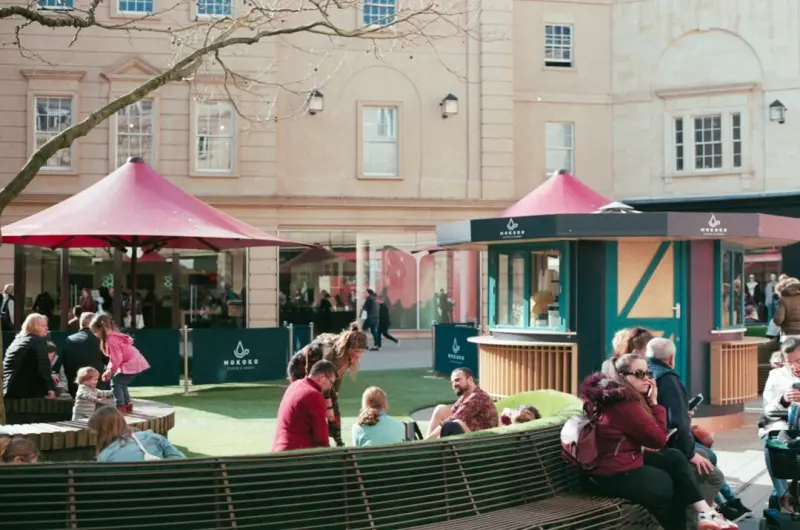
When I first stepped onto a bustling downtown patio and saw teams huddled under sleek fabric canopies, I felt a spark. It wasn’t just the shade that caught my eye; it was the way those awnings silently reshaped how we think about work, collaboration, and even brand storytelling. In the wake of the new normal—where offices blend with streets, coffee shops double as conference rooms, and employees crave flexible environments—awnings have quietly stepped into the spotlight.
In this piece, I’ll share my observations from the field, the data that backs the awning advantage, and a roadmap for businesses that want to turn their outdoor spaces from after‑thoughts into strategic assets.
The Evolution From Simple Shade to Intelligent Enclosure
Historically, awnings were nothing more than canvas stretched over a wooden frame to keep the sun off a storefront. Today, they’ve morphed into dynamic, tech‑enabled structures that respond to weather, integrate with building management systems, and even broadcast a company’s visual identity.
- Materials Matter: Advanced woven polymers now offer UV protection, water resistance, and breathability without the bulk of traditional fabrics.
- Motorized Controls: Modern awnings can be programmed to extend or retract based on temperature, sunlight intensity, or even a simple schedule synced with a smart calendar.
- Data Integration: Sensors embedded in the awning’s frame feed real‑time data to a central dashboard, enabling facility managers to predict wear and schedule maintenance before a tear becomes a problem.
This convergence of design and data is reminiscent of the insights shared in Predictive Maintenance: Turning Data Into Property Longevity, where the emphasis is on using analytics to extend the life of building assets. Awnings are now part of that ecosystem.
Economic Upside: Turning Shade Into Revenue
Every square foot of covered patio is a potential revenue generator. Restaurants report up to a 30% increase in table turnover when outdoor seating is usable year‑round. Co‑working hubs see higher occupancy rates when members can choose a sunny table in the morning and a shaded spot for an afternoon brainstorm.
Beyond direct sales, awnings serve as a low‑cost branding platform. Custom‑printed fabrics turn a simple canopy into a moving billboard, reinforcing brand colors and messaging every time a passerby glances at the space.
Health & Wellness: More Than Just Sun Protection
Research consistently links exposure to natural light with improved mood and productivity. However, uncontrolled glare and heat can cause discomfort, leading to reduced focus. A well‑designed awning balances the best of both worlds: it filters harsh rays while allowing diffused daylight to flood the space.
In addition, the shade reduces surface temperatures on tables and chairs, mitigating the “heat island” effect that often plagues urban plazas. The result? A cooler micro‑environment that encourages longer stays and more collaborative moments.
Design Flexibility: From Minimalist to Maximalist
Designers now have a palette that stretches from ultra‑minimalist aluminum frames with translucent membranes to bold, patterned canopies that become the centerpiece of an outdoor venue. This flexibility means an awning can be a discreet utility for a corporate campus or a statement piece for a boutique hotel.
When paired with Cultivating Climate‑Smart Landscapes: Data, Design, and Delight, awnings can complement green walls, rain gardens, and permeable paving, creating a cohesive outdoor experience that feels intentional rather than an afterthought.
Integrating Awnings Into Smart Building Strategies
Smart buildings are no longer confined to HVAC or lighting. The next frontier is the envelope, which includes roofs, facades, and now, awnings. By linking awning controls to a building’s energy management system, facilities can reduce cooling loads during peak sun hours, translating into measurable energy savings.
- Dynamic Shading Schedules: When the solar forecast predicts high irradiance, the awning auto‑extends, reducing interior cooling demand.
- Occupancy Sensors: If a space is vacant, the awning retracts to protect the fabric and minimize wear.
- Weather Alerts: Integrated rain sensors trigger retraction, safeguarding the structure and preventing water damage.
These capabilities align with broader sustainability goals and provide a tangible ROI that facility managers can track and report.
Implementation Checklist: From Concept to Installation
To ensure a successful awning project, consider the following steps:
- Define Objectives: Are you prioritizing brand visibility, employee comfort, energy savings, or a mix?
- Site Assessment: Evaluate wind loads, sun paths, and existing utilities. A professional engineer can validate load‑bearing capacity.
- Choose Materials: Match fabric performance to climate. In humid regions, opt for quick‑dry, anti‑mold textiles.
- Integrate Controls: Decide whether you need simple manual operation or a fully automated, sensor‑driven system.
- Plan Maintenance: Set up a schedule for cleaning, tension checks, and motor inspections—ideally using a predictive maintenance platform.
- Brand Alignment: Work with a graphic designer to incorporate logos, color palettes, and messaging.
Case Study: A Tech Campus Turns Its Courtyard Into a Collaboration Hub
One of my recent site visits was a mid‑size tech campus that struggled with underutilized outdoor space. They installed a series of motorized awnings equipped with solar‑powered sensors. The awnings were programmed to extend during the hottest part of the day, creating a cool, shaded zone for impromptu meetings.
Within three months, the company reported a 15% increase in cross‑departmental interactions, as employees chose the patio for brainstorming sessions instead of booking conference rooms. Energy usage for cooling dropped by 8% during peak summer weeks, thanks to the reduced solar gain on the building’s façade.
Future Trends: Awnings Meet Augmented Reality
Imagine walking into an outdoor space where the awning’s surface doubles as an interactive display. AR overlays could showcase product demos, provide navigation cues, or even project ambient art that changes with the time of day. While still nascent, early pilots are exploring this convergence of physical shade and digital content.
Such innovations could redefine the awning from a static shelter to a dynamic communication channel—blurring the line between architecture and experience design.
Closing Thoughts
Awnings have graduated from the role of mere sun blockers to strategic assets that influence brand perception, employee wellbeing, and operational efficiency. By embracing modern materials, smart controls, and thoughtful design, businesses can unlock hidden value in their outdoor footprints.
If you’re ready to rethink how your organization uses its exterior spaces, start by mapping out the goals that matter most to you—be it sustainability, revenue, or culture—and let the awning be the bridge that turns those aspirations into everyday reality.

Lifan Chen is a freelancer based in Toronto specializing in marketing. With expertise in crafting effective marketing strategies and campaigns, Lifan helps businesses grow their brand presence and reach target audiences. As a Toronto-based freelancer, Lifan combines local market insights with creative marketing skills to deliver tailored solutions for clients.
Related Posts
The Sustainable Awning Revolution: A Game-Changer for Homeowners
Sustainable awnings offer a stylish and practical way to reduce energy consumption and environmental... Read More
Awning Evolution: From Shade to Smart Building Skin
Discover how intelligent awnings are redefining building performance—offering adaptive shade, ener... Read More
Awnings as Climate‑Smart Facade Assets: Shade, Energy, and Brand in One Package
A fresh look at awnings shows they’re more than shade—they’re climate‑smart facade assets th... Read More
Top Posts

Edible Landscapes: Turning Lawns into Kitchen Gardens
Explore the rise of edible landscaping, a design approach that converts ordinary lawns into thriving kitchen gardens, delivering fresh food, reduced maintenance...Read More

The Handyman’s Secret Weapon: Building a Flexible, Future‑Proof Toolkit
Learn the essential steps to create a future‑proof handyman toolkit, from core tools and modular add‑ons to smart storage, maintenance routines, and brandin...Read More

Why Your Closet Is the Ultimate Productivity Hack
A well‑designed closet does more than store clothes; it streamlines mornings, enhances mental clarity, and offers measurable ROI through modular design, smart...Read More
Reimagining Commercial Renovations: Adaptive Reuse Meets Digital Twins
Adaptive reuse, combined with digital twin technology, offers a faster, greener, and more profitable path for commercial renovations, preserving heritage while ...Read More
0 Comments
Post Comment
You will need to Login or Register to comment on this post!