
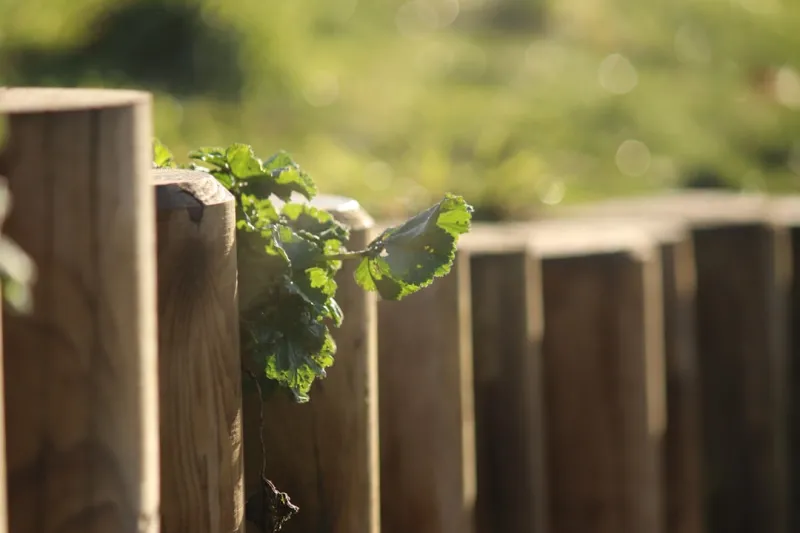
Eco-Friendly Fencing: A Sustainable Approach to Home Security and Aesthetics
As a homeowner, I'm always looking for ways to make my property more sustainable, secure, and visually appealing. One often-overlooked aspect of home improvement is fencing. A well-designed fence can not only enhance your home's curb appeal but also provide a sense of safety and security. In this article, I'll explore the world of eco-friendly fencing and share some valuable insights on how to create a sustainable and beautiful outdoor space.
When it comes to fencing, there are many options to choose from, ranging from traditional wood and metal to modern materials like vinyl and composite. However, not all fencing materials are created equal, and some have a significant impact on the environment. Sustainable fencing is all about choosing materials and designs that minimize harm to the environment while still providing the benefits you need. For instance, consider using reclaimed or recycled materials for your fence, such as reclaimed wood or recycled plastic.
The Benefits of Eco-Friendly Fencing
Eco-friendly fencing offers numerous benefits, including reduced environmental impact, lower maintenance costs, and enhanced home security. By choosing sustainable materials and designs, you can reduce your carbon footprint and contribute to a healthier planet. Additionally, eco-friendly fencing can help you save money on maintenance and repair costs in the long run. For example, sustainable property maintenance practices can help extend the lifespan of your fence.
Eco-Friendly Fencing Materials
So, what are some eco-friendly fencing materials to consider? Here are a few options:
- Bamboo fencing: Bamboo is a highly renewable and sustainable material that's perfect for fencing. It's durable, resistant to pests and decay, and can be harvested in as little as three to five years.
- Reclaimed wood fencing: Reclaimed wood is another excellent option for eco-friendly fencing. By using salvaged wood from old buildings, trees, or pallets, you can reduce waste and create a unique, rustic look.
- Composite fencing: Composite fencing is made from a combination of materials, including recycled plastic and wood fibers. It's durable, low-maintenance, and can mimic the look of traditional wood fencing.
Sustainable Fencing Design
When it comes to fencing design, there are many ways to create a sustainable and beautiful outdoor space. Here are a few tips to keep in mind:
- Choose a design that complements your home's architecture: A well-designed fence should enhance your home's curb appeal, not detract from it.
- Consider the purpose of your fence: Are you looking to block noise, provide privacy, or simply add visual interest? Different designs and materials can serve different purposes.
- Incorporate plants and greenery: Adding plants and greenery to your fence can help reduce noise pollution, provide shade, and create a natural, organic look.
The Importance of Sustainable Property Maintenance
Once you've installed your eco-friendly fence, it's essential to maintain it properly to ensure it lasts for years to come. Sustainable property maintenance practices can help you keep your fence in good condition while minimizing your environmental impact. For example, consider using eco-friendly cleaning products and avoiding harsh chemicals that can harm the environment.
Integrating Fencing with Other Sustainable Home Improvements
Fencing is just one aspect of creating a sustainable and eco-friendly home. Consider integrating your fencing project with other sustainable home improvements, such as sustainable decking or eco-friendly landscaping. By taking a holistic approach to home improvement, you can create a beautiful, sustainable outdoor space that enhances your quality of life.
Conclusion
Eco-friendly fencing is a great way to enhance your home's security, aesthetics, and sustainability. By choosing sustainable materials and designs, you can reduce your environmental impact while creating a beautiful outdoor space. Remember to consider the benefits of eco-friendly fencing, choose sustainable materials, and incorporate plants and greenery into your design. With a little creativity and planning, you can create a sustainable and stunning fence that enhances your home's value and curb appeal.
Final Tips and Recommendations
Before concluding, here are some final tips and recommendations to keep in mind:
- Research local regulations and homeowners' association rules: Before installing a fence, make sure to research local regulations and homeowners' association rules.
- Consult with a professional: If you're unsure about the best fencing materials or design for your property, consider consulting with a professional contractor or landscaper.
- Prioritize sustainability and eco-friendliness: When choosing a fencing material or design, prioritize sustainability and eco-friendliness to minimize your environmental impact.

When it comes to the world of blogging and writing, Rose DesRochers is a name that stands out. Her passion for creating quality content and connecting with her audience has made her a trusted voice in the industry. Aside from her skills as a writer and blogger, Rose is also known for her compassionate nature.
Related Posts
Sustainable Fencing Options for a Greener Future
Sustainable fencing is a critical component of a greener future. Learn about eco-friendly materials,... Read More
Beyond Boundaries: Reinventing Facility Fencing
This post explores how contemporary fencing can go beyond simple barriers, integrating smart materia... Read More

Smart Fencing: Turning Boundaries Into High‑Value Assets
Explore the rise of smart fencing—how IoT sensors, solar‑integrated panels, and self‑healing m... Read More
Top Posts

Sustainable Carpet Cleaning: A Hidden Business Advantage
Eco‑friendly carpet cleaning can cut expenses, improve indoor air quality, and elevate brand perception. Learn how a strategic, sustainable approach transform...Read More

Turning Rooms into Storytelling Canvases: The Art of Curating Personal Narrative Spaces
Learn to transform each room into a chapter of your life, using purposeful design choices, sustainable upgrades, and flexible furniture to craft a home that nar...Read More

Circular Materiality: Turning Construction Waste into Design Gold
Circular materiality redefines waste as a design resource, offering architects a roadmap to create buildings that are sustainable, cost‑effective, and adaptab...Read More

Sunroom Strategies: Turning Glass Spaces into Year‑Round Wellness Hubs
A sunroom can be a powerful wellness hub and functional workspace. Learn design fundamentals, tech tips, and ROI insights to create a bright, flexible space tha...Read More
0 Comments
Post Comment
You will need to Login or Register to comment on this post!