

Imagine stepping out of your kitchen and into a sun‑kissed oasis that feels both outdoors and inside at once—a place where the line between glass and garden blurs, and the world outside becomes a living backdrop to your daily life. That’s the promise of a well‑designed sunroom, and it’s more than a decorative add‑on; it’s a strategic pivot toward health, productivity, and sustainable comfort.
Why Sunrooms Are the Quiet Revolution Your Home Needs
When we talk about home improvement, the conversation often circles around “smart” appliances, high‑efficiency insulation, or automated security. Those are all vital pieces of the modern puzzle, but they don’t touch the soul in the way a sunroom can. Sunrooms nurture a subtle yet profound shift:
- Natural Light Therapy: Sunlight is a natural regulator of circadian rhythms, boosting mood and sleep quality. A bright, glass‑enclosed space provides a daily dose of daylight without the need to step outside.
- Biophilic Connection: The human brain is hardwired to respond positively to nature. A sunroom that frames a garden, a tree, or even a simple patio brings the outdoors in, reducing stress and enhancing creativity.
- Seasonal Flexibility: With the right glazing and climate control, a sunroom can be a warm summer lounge, a cozy winter reading nook, or a temperate workspace year‑round.
These benefits are not just feel‑good extras—they translate into measurable improvements in well‑being and even property value.
Design Foundations: Light, Heat, and Airflow
Before diving into aesthetics, it’s essential to understand the physics that make a sunroom comfortable. Three variables dominate: glazing, thermal performance, and ventilation.
Glazing Choices That Don’t Compromise on Style
Modern low‑E (low‑emissivity) glass offers a high visible light transmittance while reflecting infrared heat. This means you soak up natural light without turning the room into a greenhouse. For those who crave the full sun, consider spectrally selective glazing, which filters out harsh UV rays that can fade furnishings while preserving the warm amber tones you love.
Thermal Insulation Beyond the Frame
Even the best glass can leak heat if the framing isn’t up to par. Opt for thermally broken aluminum or fiberglass frames that interrupt thermal bridges. Pair this with smart insulation behind the walls to keep the interior temperature stable, reducing reliance on HVAC.
Passive and Active Ventilation Strategies
Cross‑ventilation is the oldest trick in the book, but it still works wonders. Position operable side windows opposite each other to create a natural breeze. For days when the wind is shy, integrate a low‑profile exhaust fan that can be controlled via a smart thermostat, ensuring fresh air without sacrificing energy efficiency.
Integrating Technology Without Overwhelming the Experience
Sunrooms can be as high‑tech or as low‑key as you prefer. The key is to let technology serve the environment, not dominate it.
- Smart Shades: Automated blinds that respond to sunlight intensity keep glare in check and preserve privacy. Many systems sync with sunrise and sunset times, closing just as the sun starts to dip.
- Climate Zones: Pair a dedicated thermostat with zone‑control vents. This lets you heat the sunroom just enough to stay comfortable without heating the entire house.
- Air Quality Sensors: A discreet sensor can monitor humidity and VOC levels, alerting you when fresh air is needed. This is especially handy if you use the space for yoga or a home office, where a crisp environment enhances focus.
All these technologies can be woven into the design subtly, preserving the serene, nature‑focused vibe that makes a sunroom special.
Multi‑Functional Uses: From Wellness Hub to Remote Office
One of the most exciting aspects of a sunroom is its adaptability. Below are a few scenarios that illustrate the range of possibilities:
Wellness Sanctuary
Place a low‑profile yoga mat, a few potted succulents, and a sound system that streams gentle ambient noise. The natural light improves vitamin D synthesis, while the view of greenery amplifies the sense of calm. Adding a small water feature can create a subtle white‑noise backdrop, enhancing meditation sessions.
Remote Work Oasis
Remote work has become a staple of many professionals’ lives. A sunroom offers a bright, distraction‑free environment that can boost productivity. Pair a standing desk with ergonomic accessories, and you have a workspace that encourages movement and reduces eye strain compared to a conventional office with fluorescent lighting.
Indoor Garden Extension
For the green‑thumbed, a sunroom can act as a climate‑controlled greenhouse. Use raised beds or hydroponic trays to grow herbs year‑round. Because the space receives consistent, filtered sunlight, plants thrive without the extreme temperature swings typical of an outdoor garden.
Entertaining Nook
When the weather is perfect, the sunroom transforms into an ideal spot for brunches, cocktail evenings, or a cozy movie night under the stars (thanks to a retractable roof option). Comfortable seating, a small bar cart, and soft lighting can turn the space into an extension of your living room that feels both casual and refined.
Financial Upside: Adding Value Without Breaking the Bank
While a sunroom is an emotional investment, it also delivers a solid return on investment (ROI). Real estate studies show that well‑executed sunrooms can increase a home’s resale value by 5–15%, depending on market and execution quality. Here’s why:
- Increased Living Square Footage: Buyers often count a sunroom as functional living space, especially when it’s climate‑controlled.
- Energy Efficiency: Proper glazing and insulation reduce heating and cooling costs, an attractive selling point for eco‑conscious buyers.
- Unique Selling Proposition: A sunroom distinguishes a property in a crowded market, offering a narrative that resonates with lifestyle‑focused purchasers.
To maximize ROI, consider aligning your sunroom’s design with broader home improvement themes, such as the future‑ready home additions trend. A sunroom that’s built with modular components can be expanded or reconfigured as family needs evolve.
Design Aesthetics: Making the Sunroom Seamlessly Part of Your Home
The visual transition between your interior and the sunroom should feel intentional, not forced. Below are design strategies that ensure cohesion:
Continuity of Materials
Carry a material or color palette from adjacent rooms into the sunroom. If your kitchen features brushed steel appliances, consider stainless steel accents for the sunroom’s lighting fixtures or hardware. This creates a visual thread that ties spaces together.
Flooring Choices
Hardwood floors that extend into the sunroom create a sense of flow, but they must be suitable for fluctuating humidity. Engineered wood or luxury vinyl plank (LVP) with a natural wood finish can handle the environmental changes while maintaining an upscale look.
Framing the View
Instead of a full‑wall glass pane, think about using floor‑to‑ceiling windows interspersed with slender mullions. This creates a “picture frame” effect, highlighting a specific garden focal point—perhaps a mature oak or a blooming flower bed—while still allowing generous daylight.
Lighting Layers
Even with abundant natural light, layered artificial lighting ensures the space is usable after sunset. Combine recessed LEDs for ambient illumination, pendant lights for task lighting (ideal for a desk area), and accent lighting to highlight artwork or indoor plants.
Maintenance Made Simple: Keeping the Sunroom Pristine
One common fear about adding glass‑heavy spaces is the perceived upkeep. However, with thoughtful material choices, maintenance can be a breeze:
- Self‑Cleaning Glass: Modern coatings break down organic dirt when exposed to sunlight, reducing the frequency of manual washing.
- Low‑Maintenance Flooring: As mentioned, LVP resists scratches and moisture, making it easier to clean than traditional hardwood.
- Integrated Drainage: Design the floor slope subtly toward a hidden drain, preventing water pooling after rain or when plants are watered.
- Seasonal Checks: Conduct a quick inspection of seals and hinges each season to catch any wear before it becomes a problem.
Case Study: Transforming a Neglected Attic into a Sunroom Sanctuary
To illustrate the process, let’s walk through a real‑world example. The Miller family owned a two‑story house with an under‑utilized attic space—just a dusty storage area with a low ceiling. Their goals were to create a bright, multi‑functional room that could serve as a home office and a weekend retreat.
- Assessment: A structural engineer confirmed the floor joists could support additional weight, and the roof slope was suitable for a low‑profile glass wall.
- Design: The team chose a spectrally selective glass wall on the south side, paired with reclaimed wood paneling on the interior to keep the space warm and inviting. A skylight was added to flood the center with light.
- Technology Integration: A smart thermostat with zone control was installed, along with motorized shades that close automatically at sunset. Air quality sensors linked to their existing home automation system.
- Execution: The construction took six weeks. The result was a sunroom that feels like a lofted greenhouse, with enough daylight to reduce the need for artificial lighting during the day.
- Outcome: The Miller’s reported a 30% increase in daily productivity while working from home, and they now host seasonal brunches that have become a neighborhood favorite. The home’s appraisal reflected a 9% increase in value, attributing the boost largely to the new sunroom.
This case underscores how a well‑planned sunroom can solve practical needs while delivering emotional and financial returns.
Future Trends: What’s Next for Sunrooms?
As we look ahead, several emerging trends will shape the next generation of sunrooms:
- Dynamic Glazing: Electrochromic glass that changes tint with a button press or automatically based on sunlight intensity. This offers instant control over glare and heat gain.
- Solar‑Integrated Panels: Transparent solar cells embedded within the glass can generate electricity, offsetting the sunroom’s energy use.
Biophilic Wall Systems: Modular vertical gardens that integrate directly into the sunroom’s interior, providing a living backdrop that also improves indoor air quality. Modular Expansion Kits: Prefabricated components that allow homeowners to enlarge the sunroom in stages, aligning with changing family needs.
While these innovations may still be in early adoption phases, they illustrate the direction: sunrooms will become smarter, greener, and even more integral to the overall home ecosystem.
Getting Started: Your Sunroom Roadmap
If you’re ready to explore this transformative space, follow these steps:
- Define Your Primary Use: Is it a workspace, a wellness retreat, or an entertainment area? Your main function will dictate layout, lighting, and climate needs.
- Consult a Designer or Architect: Early collaboration ensures structural feasibility and helps you select appropriate glazing and framing.
- Plan for Technology: Decide which smart features (shades, thermostat, air quality sensors) align with your lifestyle. Integrate them into the initial wiring plan to avoid retrofits.
- Choose Materials Wisely: Opt for low‑maintenance flooring, durable glass, and thermally broken frames for longevity.
- Budget for Flexibility: Allocate a portion of the budget for future upgrades, such as dynamic glazing or solar panels.
By approaching the project methodically, you’ll create a sunroom that evolves with you, delivering lasting value and joy.
Conclusion: A Sunroom as a Lifestyle Investment
A sunroom is more than an architectural afterthought; it’s a lifestyle upgrade that aligns with wellness, productivity, and sustainability goals. By thoughtfully balancing design, technology, and functionality, you can craft a space that feels like an extension of nature, while also serving concrete everyday needs.
Whether you’re a remote worker craving daylight, a family looking for a versatile gathering spot, or a homeowner eager to boost your property’s appeal, the sunroom offers a canvas for personal expression and practical benefit. Start the conversation with a design professional today, and turn that glass‑filled dream into a tangible, sun‑lit reality.

When it comes to the world of blogging and writing, Rose DesRochers is a name that stands out. Her passion for creating quality content and connecting with her audience has made her a trusted voice in the industry. Aside from her skills as a writer and blogger, Rose is also known for her compassionate nature.
Related Posts
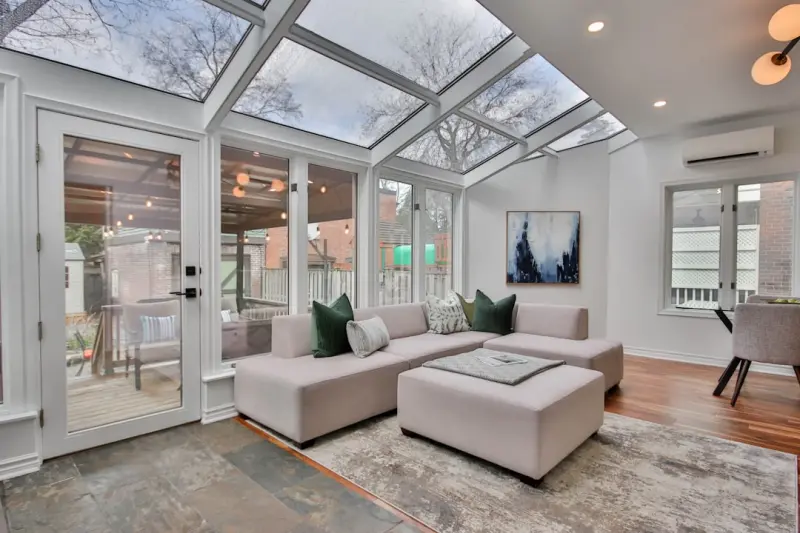
Sunroom Synergy: Turning Light‑Filled Spaces into Business Catalysts
Explore how sunrooms can evolve from decorative add‑ons to data‑driven, revenue‑generating ass... Read More

Creating a Year‑Round Wellness Retreat in Your Sunroom
Transform your sunroom into a daily wellness retreat by leveraging daylight, climate control, clean ... Read More
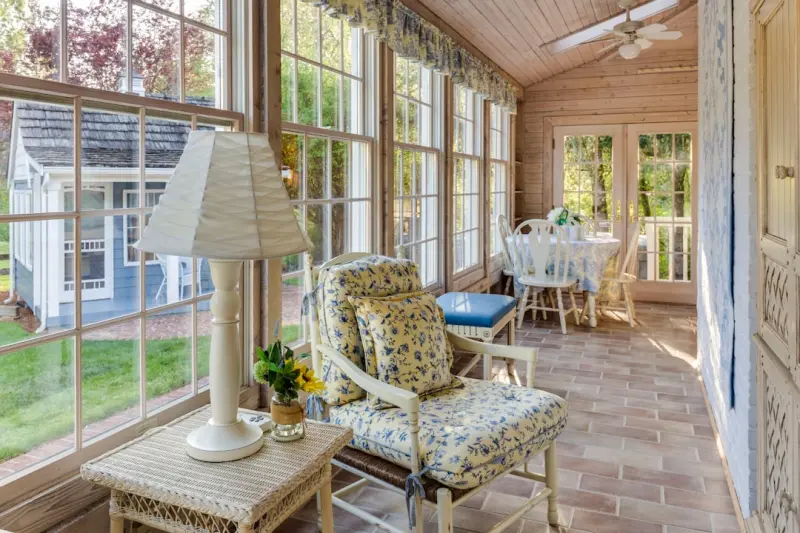
Designing a Sunroom That Works for Every Season and Lifestyle
From orientation to glazing, acoustics to smart controls, I share my hands‑on approach to building... Read More
Top Posts

The Hidden ROI of Upgrading Your Gutters: Boosting Value and Cutting Costs
Learn why upgrading gutters is a strategic investment that safeguards your home, cuts long‑term costs, and enhances resale value....Read More

Why Modular Construction Is the Game‑Changer General Contractors Can’t Afford to Ignore
Modular construction offers speed, safety, and precision, turning traditional general contracting challenges into opportunities. Discover why embracing prefabri...Read More

Building the Perfect Garage: A Comprehensive Guide
Building a garage can be a daunting task, but with the right planning and execution, it can be a rewarding experience. Learn how to create a functional and attr...Read More
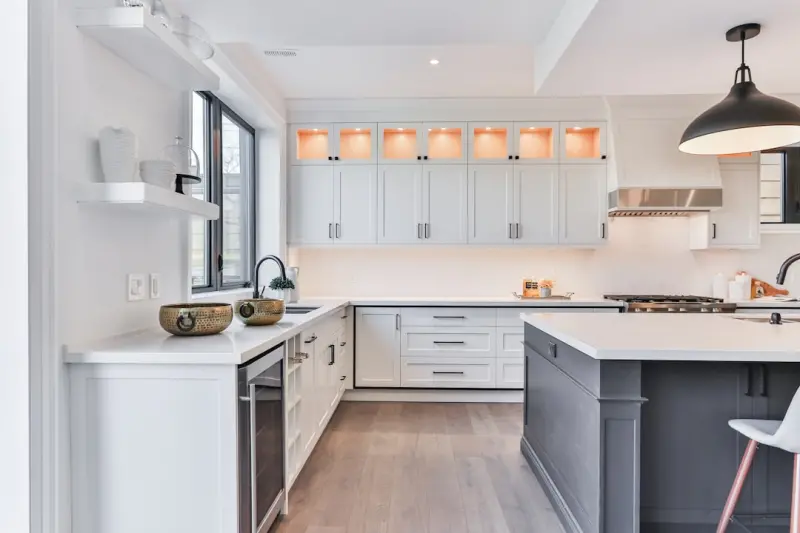
Quiet Kitchen Renovations: How Sound Design Transforms Your Cooking Space
Explore the art of quiet kitchen renovations, blending sound‑absorbing materials, biophilic design, and smart lighting to craft a serene, functional cooking h...Read More
0 Comments
Post Comment
You will need to Login or Register to comment on this post!