

Exploring Sustainable Fencing Options for a Greener Future
As a homeowner, you might not think about fencing as a critical component of your home's sustainability. However, the type of fencing you choose can have a significant impact on the environment. Traditional fencing materials like wood, vinyl, and metal can contribute to deforestation, waste, and pollution. Fortunately, there are many sustainable fencing options available that can help reduce your carbon footprint. In this article, we'll explore the benefits of sustainable fencing, discuss eco-friendly materials, and provide tips for choosing the right fencing for your home.
The Environmental Impact of Traditional Fencing
Traditional fencing materials have a significant environmental impact. Wood fencing, for example, can contribute to deforestation and habitat destruction. The production of vinyl fencing requires non-renewable resources and can result in toxic waste. Metal fencing, while durable, can be made from non-renewable resources and may require additional materials for installation. Moreover, many traditional fencing materials are not biodegradable and can end up in landfills at the end of their life cycle. It's essential to consider the environmental implications of your fencing choices and opt for sustainable alternatives.
Sustainable Fencing Materials
There are many sustainable fencing materials available, each with its unique benefits and characteristics. Some popular options include:
- Bamboo fencing: Bamboo is a highly renewable resource that can be harvested in as little as three to five years. It's durable, resistant to pests and decay, and can be used for a variety of fencing styles.
- Reclaimed wood fencing: Using reclaimed wood reduces waste and preserves the history of the original wood. This fencing option can add a unique character to your home and reduce the demand for new lumber.
- Recycled plastic fencing: Made from recycled plastic materials, this fencing option reduces waste and conserves natural resources. It's durable, low-maintenance, and can mimic the look of traditional wood fencing.
- Living fencing: Living fencing, also known as hedges or green walls, provides a natural barrier and can help purify the air. This option requires regular maintenance but can be a beautiful and sustainable choice.
The Benefits of Sustainable Fencing
Sustainable fencing offers numerous benefits for homeowners and the environment. Some of the advantages include:
- Reduced carbon footprint: Sustainable fencing materials reduce the demand for non-renewable resources and minimize waste.
- Lower maintenance costs: Many sustainable fencing materials are durable and require less maintenance than traditional options.
- Improved air quality: Living fencing and some sustainable materials can help purify the air and improve local air quality.
- Aesthetic appeal: Sustainable fencing options can add a unique character to your home and increase its curb appeal.
Choosing the Right Sustainable Fencing for Your Home
When selecting a sustainable fencing option, consider the following factors:
- Climate and weather: Choose a fencing material that can withstand local weather conditions and climate.
- Budget and maintenance: Consider the upfront cost and maintenance requirements of the fencing material.
- Aesthetic preferences: Select a fencing style that complements your home's architecture and landscape.
- Local regulations: Check with local authorities to ensure that your chosen fencing material complies with regulations and homeowners association rules.
Case Studies: Sustainable Fencing in Action
Several homeowners have successfully implemented sustainable fencing options in their homes. For example, a homeowner in a rural area might choose bamboo fencing to create a natural barrier around their property. Another homeowner in an urban area might opt for recycled plastic fencing to add a modern touch to their home's exterior. These case studies demonstrate the versatility and effectiveness of sustainable fencing options.
Integrating Sustainable Fencing with Other Eco-Friendly Home Improvements
Sustainable fencing can be integrated with other eco-friendly home improvements to create a comprehensive sustainability plan. For instance, you might consider combining sustainable fencing with eco-friendly garage doors and sustainable plumbing solutions to create a holistic approach to sustainability.
Conclusion
Sustainable fencing is a critical component of a greener future. By choosing eco-friendly materials and considering the environmental impact of your fencing choices, you can reduce your carbon footprint and create a more sustainable home. Whether you opt for bamboo, reclaimed wood, or recycled plastic fencing, there are many options available to suit your needs and budget. As you explore sustainable fencing options, remember to consider factors like climate, budget, and aesthetic preferences. With the right fencing choice, you can create a beautiful and sustainable home that benefits both you and the environment.
Additional Resources
For more information on sustainable home improvements, check out our articles on green home inspections and sustainable home security systems. These resources can help you create a comprehensive sustainability plan for your home.

Lifan Chen is a freelancer based in Toronto specializing in marketing. With expertise in crafting effective marketing strategies and campaigns, Lifan helps businesses grow their brand presence and reach target audiences. As a Toronto-based freelancer, Lifan combines local market insights with creative marketing skills to deliver tailored solutions for clients.
Related Posts

The Art of Fencing: A Comprehensive Guide to Enhancing Your Outdoor Space
Fencing is an essential aspect of outdoor design, serving both functional and aesthetic purposes. Le... Read More

The Evolution of Sustainable Fencing: A Comprehensive Guide to Eco-Friendly Outdoor Spaces
Sustainable fencing is a critical aspect of eco-friendly outdoor design. Learn about the evolution o... Read More
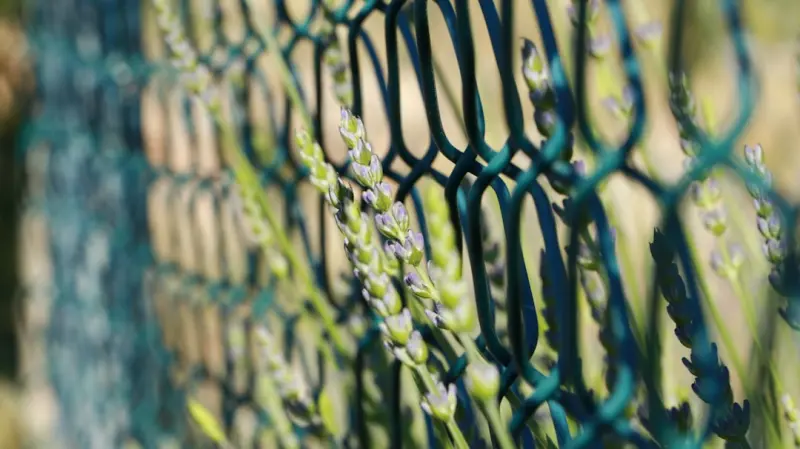
Smart Fencing: Merging Design, Sustainability, and IoT for the Modern Home
Explore the rise of intelligent fencing that blends eco‑friendly materials, sleek design, and IoT ... Read More
Top Posts
Sustainable Appliance Repair: Extending Lifespan and Cutting Waste
Discover how a sustainable approach to appliance repair—using predictive diagnostics, modern tools, and community hubs—can extend device lifespans, cut cost...Read More

The Hidden Value of Scheduled Appliance Check‑Ups
Regular appliance check‑ups prevent costly breakdowns, improve safety, and extend device lifespan. Learn a simple 12‑month routine and how to choose the rig...Read More

The Sustainable Tree Care Playbook: Tips from a Veteran Contractor
Learn how to assess, prune, water, and protect trees sustainably, with insider tips from a veteran contractor that enhance home efficiency and longevity....Read More

Designing a Seasonal Narrative Landscape: Pollinators, Rain Gardens, and Sustainable Hardscapes
Discover a fresh approach to landscaping that treats your garden as a seasonal narrative, integrates pollinator pathways, rain gardens, and recycled hardscape, ...Read More
0 Comments
Post Comment
You will need to Login or Register to comment on this post!