
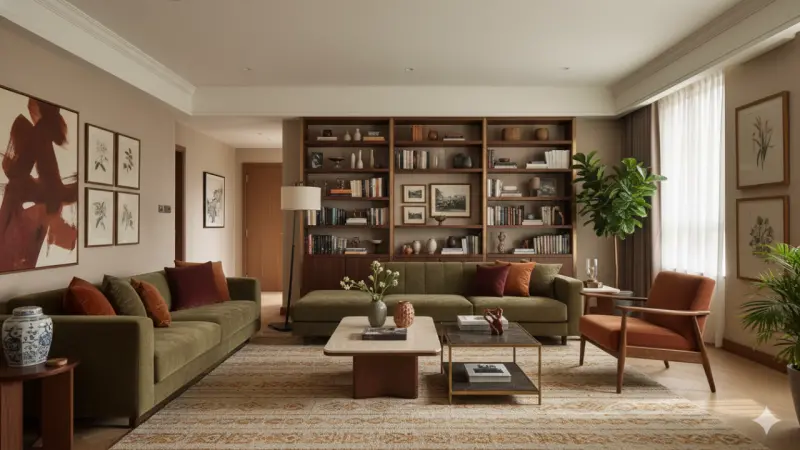
Why Your Home Should Read Like a Personal Novel
Every room can act as a chapter in the story of who you are, and when you design with narrative intent, you give everyday spaces a sense of purpose that transcends mere aesthetics. Story‑driven interiors invite occupants to pause, reflect, and feel a subtle continuity that ties past memories to future aspirations, turning a kitchen countertop into a memory lane and a hallway into a prologue. By treating walls, furniture, and décor as characters, you create an environment that speaks louder than any decorative trend ever could.
The Power of Objects That Carry Meaning
Choosing items that hold personal significance is the first step toward building a narrative‑rich interior, because each artifact becomes a plot point that can be revisited and re‑interpreted over time. A vintage suitcase reclaimed as a coffee table, a hand‑woven rug from a family trip, or a framed sketch from a beloved mentor each adds a layer of emotional depth that pure brand‑new pieces simply cannot replicate. When these objects are deliberately placed, they guide the eye and the mind, prompting stories that evolve as you live within them.
Layering Textures Like Chapters in a Book
Just as a compelling novel alternates between fast‑paced scenes and reflective passages, a well‑curated interior balances smooth, sleek surfaces with rugged, tactile materials to keep the experience engaging. Pairing a polished marble countertop with reclaimed wood shelving creates a dialogue between modern luxury and nostalgic warmth, while a plush velvet sofa beside a raw concrete wall offers visual contrast that feels intentional rather than accidental. This careful juxtaposition ensures that each glance feels like turning a page, revealing new details with every look.
Crafting Color Palettes as Emotional Arcs
Color, when used thoughtfully, acts as the emotional undercurrent of your home’s storyline, guiding moods from tranquil beginnings to vibrant climaxes. A muted sage green in a study can foster calm concentration, while a burst of amber in the dining area ignites convivial conversation, mirroring the rising action of a narrative. By mapping out these hues intentionally, you create a seamless flow that mirrors the cadence of a well‑written plot, allowing each space to breathe its own unique atmosphere.
Embedding Sustainable Touches for a Forward‑Facing Narrative
Integrating eco‑friendly upgrades not only honors the planet but also adds a forward‑looking chapter to your home’s tale, showing that your story is evolving with responsibility. For example, consider a sustainable bathtub makeover that blends reclaimed materials with water‑saving technology, turning a functional fixture into a testament of conscious design. These green interventions become plot twists that future generations can appreciate, reinforcing the idea that a home’s narrative can be both personal and progressive.
Using Tile as Visual Punctuation
Tiles can act like commas, periods, or exclamation points within a room, providing rhythm and emphasis that guide visual movement. Selecting patterned ceramic tiles for a kitchen backsplash, for instance, creates a visual break that draws the eye and frames the cooking space, while a sleek subway tile corridor can serve as a subtle, continuous line that propels movement forward. Exploring the latest tile trends allows you to incorporate innovative textures and colors that punctuate your design narrative with both style and substance.
Lighting as the Narrative Rhythm
Just as a story relies on pacing, lighting dictates the tempo of a room, shifting from soft ambient glows that whisper intimacy to bright task lights that command attention. Installing layered illumination—ambient recessed fixtures, accent spotlights on artwork, and dimmable sconces—creates a dynamic script where each light source plays a distinct role, much like supporting characters that enhance the protagonist. By adjusting light levels throughout the day, you enable the space to evolve, mirroring the natural arc of a compelling storyline.
Flexible Furniture for an Ever‑Changing Plot
Modern living demands furniture that can adapt as your personal story unfolds, allowing rooms to transition effortlessly from work to play without losing narrative cohesion. Modular sofas that reconfigure into a lounge, a fold‑away desk that doubles as a console, or a convertible bookshelf that hides a home office setup—all serve as plot devices that keep the storyline fluid and relevant. For inspiration on creating multi‑purpose environments, see how to convert a sunroom into a high‑performance home office, demonstrating the elegance of functional transformation.
Conclusion: Writing Your Home’s Ongoing Story
When you view interior design as a living manuscript, every choice becomes deliberate, every texture a sentence, and every hue a tone that resonates with your personal journey. By curating meaningful objects, layering textures, employing purposeful color schemes, and integrating sustainable and adaptable elements, you craft a space that not only looks beautiful but also tells a story worth revisiting daily. Let your home be the ever‑evolving novel that invites guests to read, reflect, and become part of its chapters.

William Roy is a freelance writer originally from Montreal who moved to Ottawa with his wife of 50 years to be closer to their grandkids. Alongside his writing, William has a passion for fishing.
Related Posts
AI‑Powered Personalization: The Next Wave in Interior Design
AI is reshaping interior design by turning client preferences into actionable data, enabling rapid, ... Read More

Designing for Neurodiversity: Crafting Calm, Focused Interiors for Every Brain
A deep dive into neuro‑inclusive design reveals how lighting, acoustics, color, texture, and flexi... Read More
Designing Spaces That Listen: The Quiet Revolution in Interior Design
A deep dive into how acoustic treatments, biophilic touches, adaptive lighting, and modular furnitur... Read More
Top Posts
Beyond the Thermostat: Uncovering Hidden Energy Waste
Modern energy inspection goes beyond insulation, using thermal cameras, smart sensors, and AI to pinpoint hidden loss. Learn the detective’s approach that sav...Read More

Seeing Beyond the Surface: How Thermal Imaging Transforms Home Inspections
Thermal imaging lets inspectors see hidden leaks, insulation gaps, and electrical hotspots, turning invisible problems into clear, actionable insights for homeo...Read More

The Secret Language of Paint: How Color, Finish, and Prep Transform Your Home
Explore the hidden power of paint—learn to choose colors, finishes, and prep methods that instantly elevate your home’s style and comfort....Read More

The Strategic Edge of Floor Heating in Modern Workspaces
Floor heating isn’t just a luxury—it’s a strategic asset that improves energy efficiency, employee comfort, and overall ROI. Learn how to integrate smart ...Read More
0 Comments
Post Comment
You will need to Login or Register to comment on this post!