

Reimagining Carpet Care: The Eco‑First Playbook for Modern Workspaces
When most people think about a fresh office environment they picture polished desks, crisp walls, and a scent of citrus‑cleaned air. The humble carpet, however, often hides in the background—absorbing foot traffic, coffee spills, and the invisible particles that drift from every corner of a building. In the era of heightened environmental awareness and employee wellbeing, carpet cleaning is stepping out of the shadows and demanding a seat at the sustainability table.
In this deep‑dive I’ll unpack why traditional steam‑and‑shampoo methods are losing ground, explore the breakthrough technologies that make carpet care greener, and outline a practical roadmap for businesses that want to turn their floor coverings from a liability into a strategic asset.
Why the Carpet Matters More Than You Think
Carpets act as silent filters. Studies show they can capture up to 80% of airborne particulates, from dust to allergens and even microscopic mold spores. When a carpet is neglected, those trapped pollutants are released back into the indoor environment, degrading air quality and potentially triggering respiratory issues among staff. Moreover, a dirty carpet can diminish the perceived professionalism of a space, subtly eroding client confidence.
From a financial perspective, a well‑maintained carpet extends its lifespan by 30‑50%, reducing the frequency of costly replacements. For organizations pursuing green building certifications such as LEED or BREEAM, demonstrating an ongoing commitment to low‑impact carpet stewardship can earn valuable points under the “Materials & Resources” and “Indoor Environmental Quality” categories.
The Limitations of Conventional Cleaning
Traditional carpet cleaning relies heavily on hot water extraction, chemical detergents, and high‑energy vacuums. While effective at removing surface grime, the approach carries several downsides:
- Excess Water Usage: Steam cleaning can saturate carpet fibers, requiring lengthy drying times and increasing the risk of mold growth.
- Chemical Footprint: Many commercial detergents contain phosphates, surfactants, and volatile organic compounds (VOCs) that linger in the environment and can off‑gas into indoor air.
- Energy Consumption: Heating water to 150‑180 °F and powering industrial vacuums draws substantial electricity, contributing to a building’s overall carbon load.
These drawbacks have spurred innovators to re‑engineer carpet care from the ground up, focusing on water‑efficient methods, biodegradable agents, and low‑energy equipment.
Water‑Smart Extraction: The Rise of Dry‑Foam Technology
Dry‑foam cleaning uses a lightweight polymer that expands into a fine foam when mixed with a small amount of water. The foam penetrates carpet fibers, encapsulating dirt and oils without soaking the pile. Once the foam dries—usually within 20‑30 minutes—it can be vacuumed away, leaving the carpet dry and clean.
Key benefits include:
- Reduced Water Consumption: Up to 90% less water than traditional hot‑water extraction.
- Faster Turnaround: Office spaces can resume normal use within an hour, minimizing productivity loss.
- Lower Energy Use: No need for large boilers or steam generators, cutting electricity demand by an estimated 40%.
Leading vendors now pair dry‑foam kits with portable, battery‑powered vacuums, making the solution viable for on‑site cleaning in multi‑floor facilities.
Biodegradable, Enzyme‑Based Cleaners
Enzymes—nature’s own cleaning agents—break down organic stains at a molecular level. Unlike harsh surfactants, enzyme cleaners target proteins, fats, and carbohydrates, turning them into soluble particles that are easily lifted out of carpet fibers.
Advantages of enzyme‑based formulas include:
- Zero VOCs: They are derived from plant sources, eliminating harmful emissions.
- Gentle on Fibers: Reduced chemical abrasion extends carpet life.
- Eco‑Certification Ready: Many enzyme cleaners hold certifications such as Green Seal or EcoLabel, simplifying compliance for sustainability‑focused firms.
When combined with dry‑foam extraction, enzymes create a fully green cleaning loop—minimal water, natural chemistry, and swift drying.
Smart Scheduling Powered by AI (Without the Data‑Driven Jargon)
While the phrase “data‑driven” is already overused in the industry, the practical application of AI for scheduling remains a fresh, impactful concept. Modern platforms analyze foot‑traffic patterns, employee occupancy data, and even weather forecasts to recommend the optimal cleaning window. The system automatically adjusts to holidays, remote‑work spikes, and unexpected events, ensuring carpet care never interferes with peak productivity.
Implementing an AI‑assisted scheduler offers two tangible gains:
- Resource Optimization: Cleaning crews are dispatched only when needed, reducing mileage and associated emissions.
- Predictive Maintenance: The platform flags high‑wear zones—such as reception areas or conference rooms—so they receive more frequent attention before visible degradation occurs.
For companies hesitant about new tech, many providers offer a simple dashboard that integrates with existing building‑management software, requiring no steep learning curve.
Integrating Carpet Care into a Holistic Green Strategy
Carpet cleaning should not be an isolated task; it belongs to the broader ecosystem of building sustainability. Below are three ways to weave carpet stewardship into your overall green agenda:
1. Pair with Low‑Impact Flooring Choices
When renovating, opt for carpets made from recycled fibers, such as nylon derived from post‑consumer plastic bottles, or natural fibers like wool that are biodegradable. These materials already score high on environmental metrics, and maintaining them with eco‑friendly cleaning amplifies their green credentials.
2. Leverage Certification Programs
Both LEED and WELL recognize indoor air quality improvements resulting from regular carpet maintenance. Document cleaning schedules, product data sheets, and water usage logs to demonstrate compliance during certification audits.
3. Communicate to Occupants
Transparency builds trust. Post simple infographics in break rooms showing the reduced water usage, chemical safety, and faster drying times achieved through your new cleaning regimen. When employees see that the organization is actively protecting their health and the planet, morale rises.
Case Study: A Mid‑Size Tech Firm’s Green Carpet Overhaul
Acme Innovations, a 300‑employee software company, embarked on a sustainability journey two years ago. Their carpet cleaning process was the final piece of the puzzle.
Challenges:
- Frequent coffee spills and high foot traffic in the open‑plan area.
- Legacy cleaning contracts that relied on high‑VOC detergents.
- Long downtime after cleaning—up to 4 hours for drying.
Solution: Acme partnered with a green‑cleaning vendor that introduced dry‑foam extraction and enzyme‑based cleaners. The vendor also supplied an AI scheduling tool that integrated with Acme’s existing room‑booking platform.
Results (12‑Month Snapshot):
- Water usage dropped by 85% (from 15 gallons per room to under 2 gallons).
- Cleaning downtime fell from 4 hours to 45 minutes.
- Employee‑reported indoor‑air‑quality satisfaction increased by 27% in internal surveys.
- Acme earned additional LEED points, helping them achieve a Gold rating.
This transformation illustrates that a strategic, eco‑first carpet program can deliver measurable environmental, operational, and cultural benefits.
Getting Started: A 5‑Step Blueprint
- Audit Your Current Practices: Record water consumption, chemical inventories, and cleaning frequencies. Identify high‑impact zones that warrant immediate attention.
- Select Green Vendors: Look for certifications (e.g., Green Seal) and request sample applications of dry‑foam and enzyme cleaners on a small area.
- Implement AI‑Enabled Scheduling: Even a basic rule‑based system that avoids peak occupancy can yield quick wins. Scale up to predictive algorithms as you collect more data.
- Train Your Team: Ensure custodial staff understand the new equipment, safety data sheets, and the importance of swift drying.
- Monitor and Report: Track water savings, carbon reduction, and employee feedback. Use these metrics to refine the program and showcase success to stakeholders.
Future Trends to Watch
While the technologies discussed are already market‑ready, several emerging trends promise to push carpet care even further into the sustainable realm:
- Nanocoated Fibers: Carpets engineered with antimicrobial nanocoatings can resist bacterial growth, reducing the need for frequent deep cleaning.
- Closed‑Loop Water Systems: Some vendors are piloting on‑site water reclamation units that capture runoff from cleaning, filter it, and reuse it for subsequent cycles.
- Carbon‑Neutral Service Contracts: Companies are beginning to offer cleaning contracts that offset their operational emissions through renewable energy purchases.
Staying attuned to these developments will keep your organization at the forefront of responsible facility management.
Connecting the Dots with Broader Sustainable Practices
Carpet care does not exist in a vacuum. For a truly integrated approach, consider linking your cleaning initiatives with other sustainability projects. The Sustainable Design Trends highlighted in our recent exploration of eco‑friendly wallcoverings can complement carpet choices, creating a cohesive visual and environmental narrative across interior spaces. Likewise, the Data‑Driven Carpet Care article offers a deeper dive into analytics that can fine‑tune your cleaning schedule, ensuring you reap the maximum benefits without over‑cleaning.
By weaving carpet stewardship into the fabric of your sustainability strategy, you’ll not only protect the health of your workforce but also demonstrate a forward‑thinking commitment to environmental stewardship that resonates with clients, investors, and the broader community.
Ready to transform your carpet from a hidden liability into a visible asset? The path starts with a single, green‑focused step.

William Roy is a freelance writer originally from Montreal who moved to Ottawa with his wife of 50 years to be closer to their grandkids. Alongside his writing, William has a passion for fishing.
Related Posts
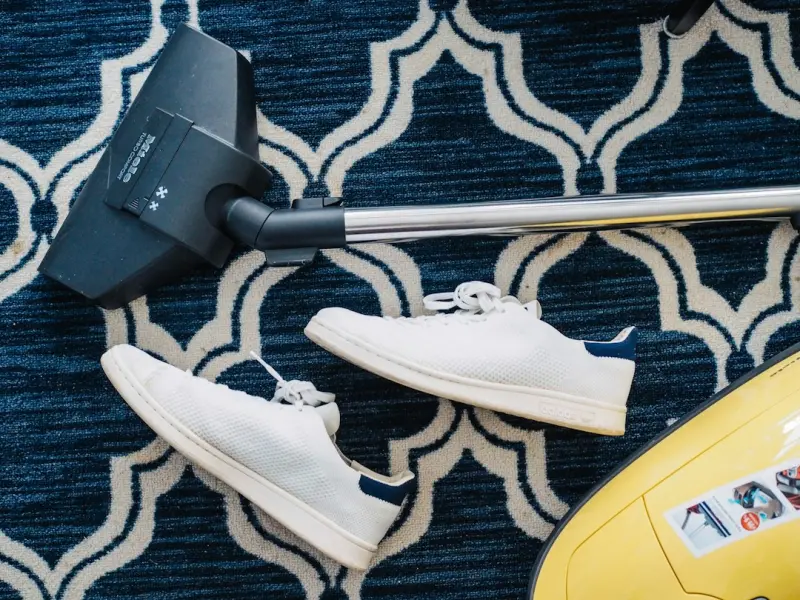
The Strategic ROI of Proactive Carpet Care: Extending Life, Boosting Performance, and Driving Sustainability
Explore how a proactive, data‑driven carpet‑care program can extend asset life, enhance acoustic... Read More

The Importance of Professional Carpet Cleaning for a Healthier Home
Dirty carpets can harbor allergens, dust mites, and bacteria that can exacerbate respiratory issues.... Read More
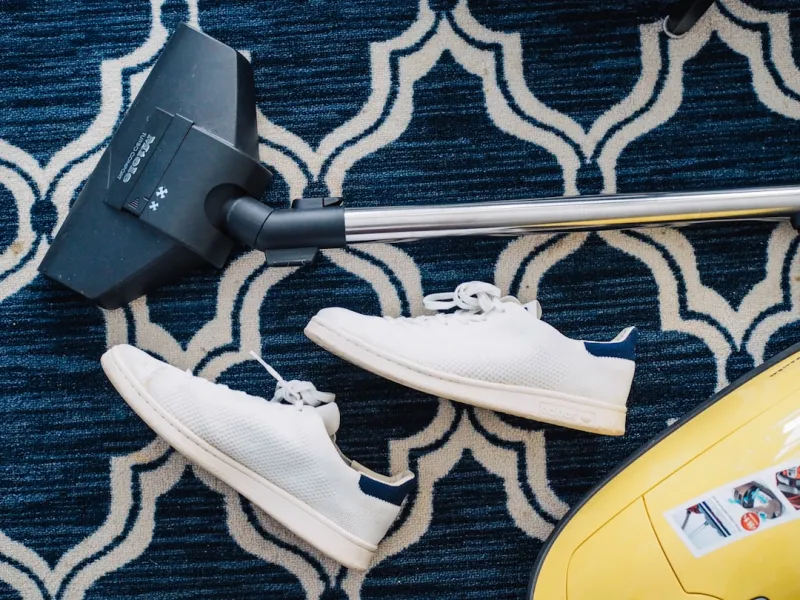
The Sustainable Carpet Cleaning Playbook: Tips, Tricks, and Green Solutions
Learn how to clean carpets sustainably with green products, DIY hacks, and professional tips that ex... Read More
Top Posts

The Future of Plastering: Embracing Sustainable Practices
The plastering industry is evolving, and sustainable practices are leading the way. Learn about the benefits of eco-friendly materials, innovative techniques, a...Read More
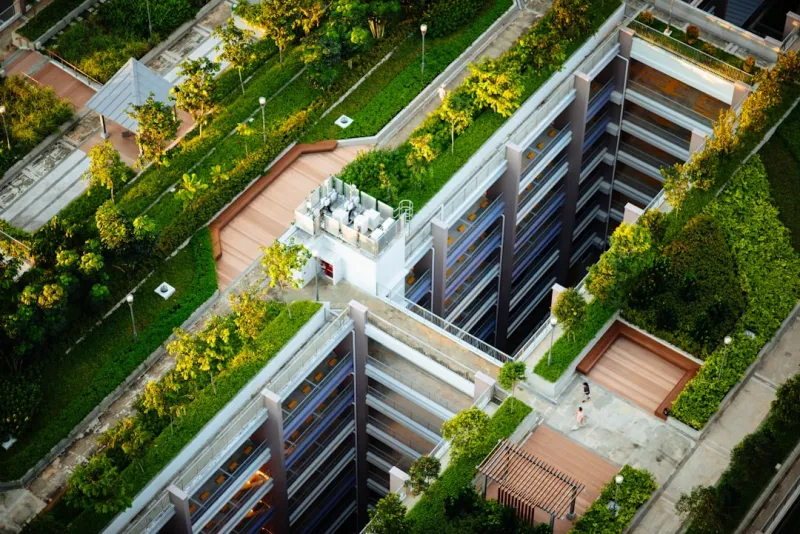
The Future of Landscaping: Sustainable Solutions for a Greener Tomorrow
The future of landscaping is sustainable, and it's here to stay. Learn how to create a greener, more eco-friendly outdoor space that benefits both you and the p...Read More

AI‑Driven Spatial Planning for Adaptive Workspaces
AI‑driven spatial planning blends sensor data, machine learning, and human insight to create adaptable work environments, delivering flexibility, sustainabili...Read More

The Ultimate Renovation Checklist for First‑Time Homeowners
A comprehensive, step‑by‑step renovation checklist that helps first‑time homeowners plan, budget, hire, and execute remodels without the usual stress....Read More
0 Comments
Post Comment
You will need to Login or Register to comment on this post!