
The Future of Landscaping: Sustainable Solutions for a Greener Tomorrow
As a passionate landscaper and advocate for sustainable living, I'm excited to share with you the latest trends and innovations in eco-friendly landscaping. The way we design, build, and maintain our outdoor spaces is undergoing a significant transformation, driven by a growing awareness of the importance of environmental stewardship. In this article, we'll explore the key principles of sustainable landscaping, highlight some innovative solutions, and discuss how you can create a greener, more sustainable outdoor space that benefits both you and the planet.
Sustainable landscaping is not just about using eco-friendly products or reducing water consumption; it's about creating a holistic approach that integrates natural systems, minimizes waste, and promotes biodiversity. One of the most effective ways to achieve this is by incorporating native plants, trees, and shrubs into your landscape design. Not only do these plants require less maintenance and watering, but they also provide vital habitats for local wildlife and help to preserve the natural ecosystem.
The Role of Sustainable Materials in Landscaping
When it comes to sustainable landscaping, the materials you choose can make a significant impact. Traditional paving materials, such as concrete and asphalt, can contribute to urban heat islands, stormwater runoff, and habitat destruction. In contrast, sustainable paving solutions, like permeable pavers and porous asphalt, can help to reduce stormwater runoff, filter pollutants, and promote groundwater recharge. Additionally, using reclaimed wood, recycled plastic, and locally sourced materials can help to minimize waste and reduce the carbon footprint of your landscaping project.
The Importance of Energy Efficiency in Landscaping
While landscaping may not be the first thing that comes to mind when thinking about energy efficiency, there are many ways to reduce energy consumption and promote sustainability in your outdoor space. For example, strategically placing trees and shrubs can provide shade, reduce cooling costs, and create microclimates that support local ecosystems. Similarly, using energy-efficient outdoor lighting, such as LED fixtures and solar-powered lights, can help to minimize energy consumption and reduce your carbon footprint. If you're looking to take your energy efficiency to the next level, consider consulting with a professional to conduct an energy inspection and identify areas for improvement.
Sustainable Landscaping in Practice
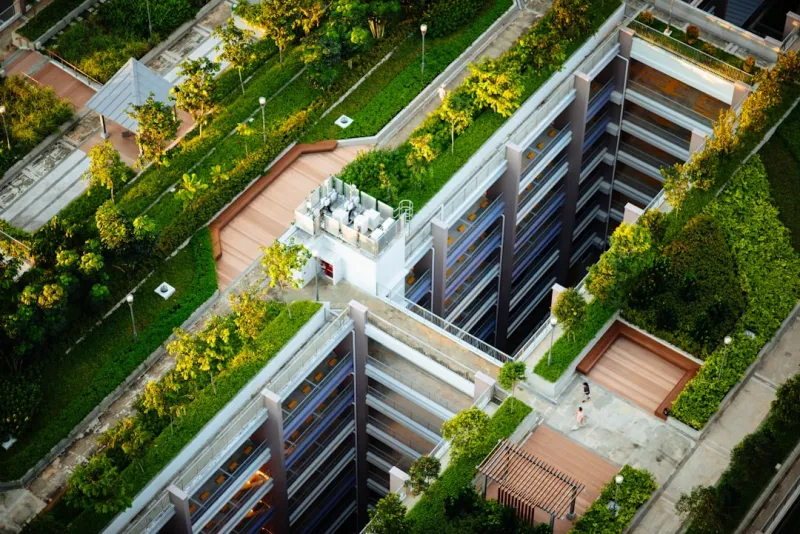
So, what does sustainable landscaping look like in practice? One inspiring example is the use of green roofs and walls to create habitats for wildlife, reduce stormwater runoff, and improve air quality. Another example is the incorporation of rain gardens, bioswales, and other water management systems to filter pollutants and promote groundwater recharge. By embracing these innovative solutions, you can create a sustainable outdoor space that not only benefits the environment but also enhances your quality of life.
The Intersection of Landscaping and Sustainable Living
As we discussed earlier, sustainable landscaping is closely tied to sustainable living. By creating a holistic approach that integrates natural systems, minimizes waste, and promotes biodiversity, you can contribute to a more sustainable future. For example, using sustainable materials, reducing energy consumption, and promoting eco-friendly practices can help to reduce your carbon footprint and support local ecosystems. Additionally, incorporating sustainable features, such as sunrooms and green roofs, can help to bring the outdoors in and promote a deeper connection with nature.
Conclusion
The future of landscaping is exciting, innovative, and full of possibilities. By embracing sustainable solutions, minimizing waste, and promoting biodiversity, you can create a greener, more sustainable outdoor space that benefits both you and the planet. Whether you're a seasoned landscaper or just starting out, I encourage you to explore the latest trends and innovations in sustainable landscaping and join the movement towards a more sustainable future.
Getting Started with Sustainable Landscaping
If you're interested in creating a sustainable outdoor space, here are some tips to get you started:
- Assess your current landscape and identify areas for improvement
- Choose sustainable materials and products
- Incorporate native plants, trees, and shrubs into your design
- Reduce energy consumption and promote eco-friendly practices
- Consider consulting with a professional to develop a customized sustainable landscaping plan
By following these tips and embracing sustainable solutions, you can create a beautiful, functional, and eco-friendly outdoor space that enhances your quality of life and supports a more sustainable future.
Final Thoughts
As we look to the future of landscaping, it's clear that sustainability will play a critical role in shaping the way we design, build, and maintain our outdoor spaces. By embracing innovative solutions, minimizing waste, and promoting biodiversity, we can create a greener, more sustainable future that benefits both humans and the planet. I hope this article has inspired you to join the movement towards sustainable landscaping and to explore the many possibilities that await.

When it comes to the world of blogging and writing, Rose DesRochers is a name that stands out. Her passion for creating quality content and connecting with her audience has made her a trusted voice in the industry. Aside from her skills as a writer and blogger, Rose is also known for her compassionate nature.
Related Posts

The Benefits of Sustainable Landscaping: A Path to Environmental Stewardship
Sustainable landscaping is more than just a trend; it's a critical approach to maintaining a healthy... Read More

Reimagining Commercial Landscapes: Data‑Driven, Biodiverse, and Resilient
A deep dive into turning ordinary corporate grounds into strategic, eco‑friendly assets using sens... Read More
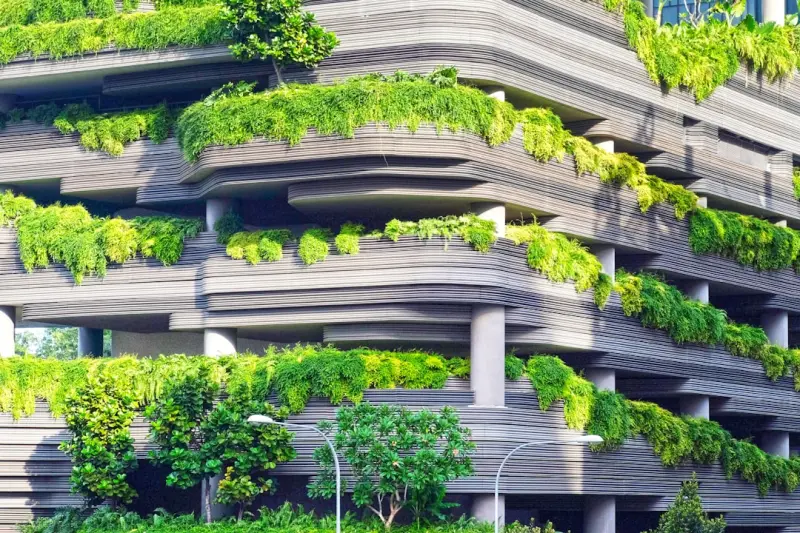
Urban Micro‑Gardens: Maximizing Green Space on Small Balconies
Learn to transform a modest balcony into a vibrant micro‑garden using smart containers, sustainabl... Read More
Top Posts

Tile Talk: Turning the Floor into a Strategic Business Canvas
A deep dive into how modern tiling can serve as a silent business lever—improving durability, acoustics, brand perception, and sustainability—while deliveri...Read More
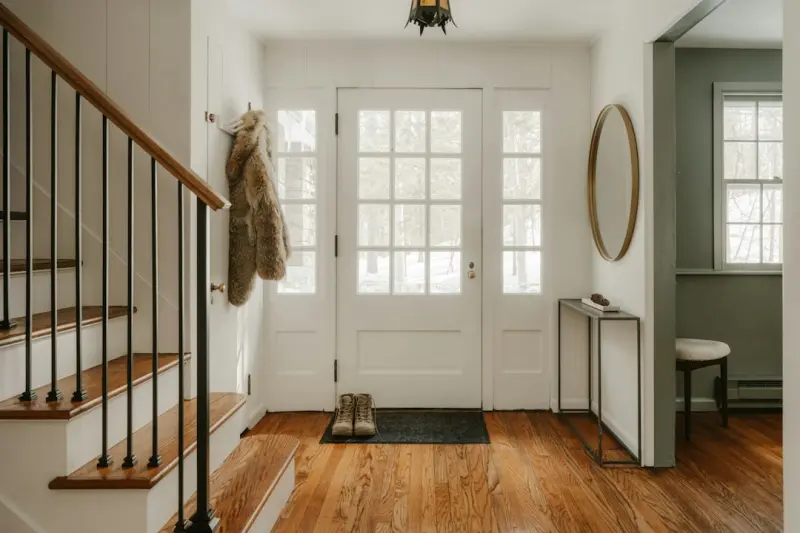
The Quiet Power of a Well‑Curated Entryway: Home Tips for First Impressions
A step‑by‑step guide shows how to turn a neglected entryway into a welcoming, organized hub using smart storage, layered lighting, adaptable design, and sea...Read More
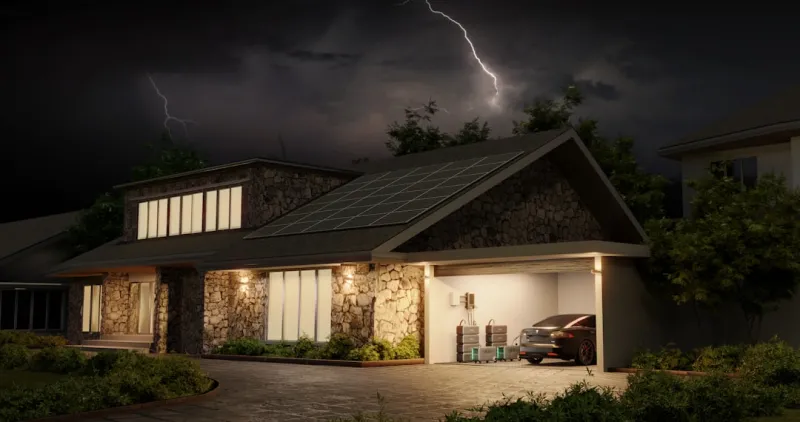
Embracing Sustainable Home Security: The Future of Alarm Systems
Sustainable home alarm systems are revolutionizing home security, providing eco-friendly and energy-efficient solutions for homeowners. Learn how to create a se...Read More
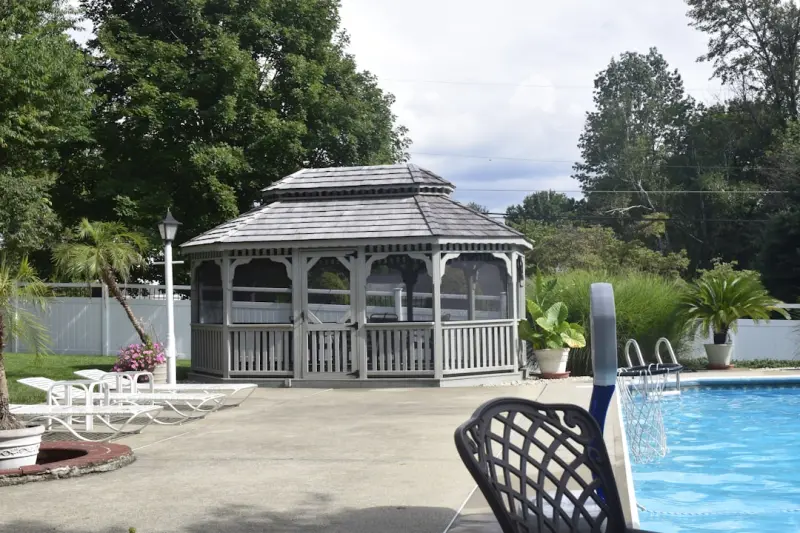
Backyard Structures: Turning Sheds & Gazebos Into Profitable Mini‑Enterprises
Explore a fresh business model that repurposes garden sheds and gazebos into pop‑up shops, craft workshops, or micro‑fulfillment hubs, complete with design ...Read More
0 Comments
Post Comment
You will need to Login or Register to comment on this post!