
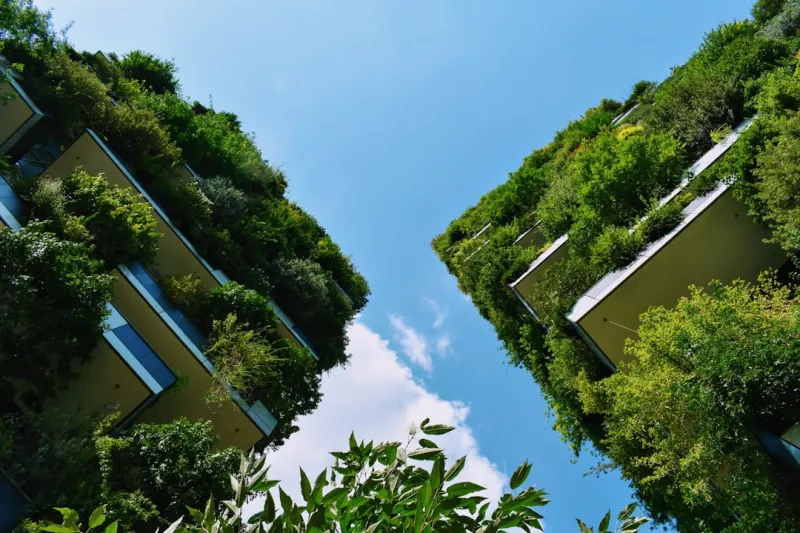
Embracing Sustainable Commercial Renovations: A Greener Future for Businesses
As the world shifts towards a more environmentally conscious future, businesses are looking for ways to reduce their carbon footprint and create a sustainable work environment. One effective way to achieve this is through sustainable commercial renovations. Not only do these renovations help reduce energy consumption and waste, but they also create a healthier and more productive work environment for employees. In this article, we will explore the benefits of sustainable commercial renovations and provide tips on how to incorporate eco-friendly design and materials into your next project.
The Benefits of Sustainable Commercial Renovations
Sustainable commercial renovations offer numerous benefits for businesses, including energy efficiency, cost savings, and improved employee well-being. By incorporating eco-friendly design and materials, businesses can reduce their energy consumption and lower their utility bills. Additionally, sustainable renovations can improve indoor air quality, reduce noise pollution, and create a more natural and calming work environment. This, in turn, can lead to increased employee productivity, reduced absenteeism, and improved overall well-being.
Designing for Sustainability
When it comes to sustainable commercial renovations, design plays a crucial role. Architects and designers can incorporate eco-friendly design principles, such as natural lighting and ventilation, to reduce the need for artificial lighting and heating and cooling systems. They can also specify materials that are sustainably sourced, recycled, or low-VOC (volatile organic compound). For example, using sustainable design build methods can help reduce waste and minimize environmental impact.
Material Selection for Sustainable Commercial Renovations
The materials used in commercial renovations can have a significant impact on the environment. Therefore, it's essential to choose materials that are sustainably sourced, recycled, or low-VOC. Some popular eco-friendly materials include reclaimed wood, bamboo, and low-VOC paints. Additionally, businesses can consider using materials that are locally sourced, reducing transportation emissions and supporting the local economy. For example, sustainable countertops made from recycled materials can be a stylish and eco-friendly option.
Energy Efficiency and Renewable Energy
Energy efficiency is a critical aspect of sustainable commercial renovations. Businesses can reduce their energy consumption by incorporating energy-efficient lighting and HVAC systems. They can also consider installing renewable energy systems, such as solar panels or wind turbines, to generate clean energy on-site. This not only reduces energy costs but also helps reduce the business's carbon footprint. For example, energy inspections can help identify areas of energy inefficiency and provide recommendations for improvement.
The Role of Technology in Sustainable Commercial Renovations
Technology plays a significant role in sustainable commercial renovations. Building management systems (BMS) and smart building technologies can help monitor and control energy consumption, water usage, and waste management. Additionally, businesses can use data analytics to identify areas of inefficiency and make data-driven decisions to improve their sustainability performance. For example, smart lighting systems can adjust lighting levels based on occupancy and natural light availability, reducing energy consumption and improving employee comfort.
Case Studies: Sustainable Commercial Renovations in Action
There are many examples of businesses that have successfully incorporated sustainable commercial renovations into their operations. For example, a company in the retail sector renovated their store to include green roofing, reducing energy consumption and creating a natural oasis in the midst of a bustling city. Another example is a office building that incorporated energy-efficient HVAC systems and natural lighting, reducing energy costs and improving employee productivity.
Conclusion
Sustainable commercial renovations offer numerous benefits for businesses, including energy efficiency, cost savings, and improved employee well-being. By incorporating eco-friendly design and materials, businesses can reduce their carbon footprint and create a healthier and more productive work environment. As the world shifts towards a more environmentally conscious future, it's essential for businesses to prioritize sustainability in their operations. By doing so, they can not only reduce their environmental impact but also improve their bottom line and contribute to a more sustainable future.
Future Directions
As the field of sustainable commercial renovations continues to evolve, we can expect to see new technologies and innovations emerge. For example, building-integrated photovoltaics (BIPV) and green walls are becoming increasingly popular. Additionally, businesses will need to prioritize resilience and adaptability in their design and operations, as the impacts of climate change become more pronounced.
Recommendations for Businesses
Businesses looking to embark on sustainable commercial renovations should prioritize integrated design and collaboration between architects, engineers, and contractors. They should also consider engaging with sustainability experts and green building consultants to ensure that their project meets the latest sustainability standards. Finally, businesses should prioritize measurement and verification to ensure that their sustainability goals are met and that their investment in sustainable renovations is paying off.

William Roy is a freelance writer originally from Montreal who moved to Ottawa with his wife of 50 years to be closer to their grandkids. Alongside his writing, William has a passion for fishing.
Related Posts
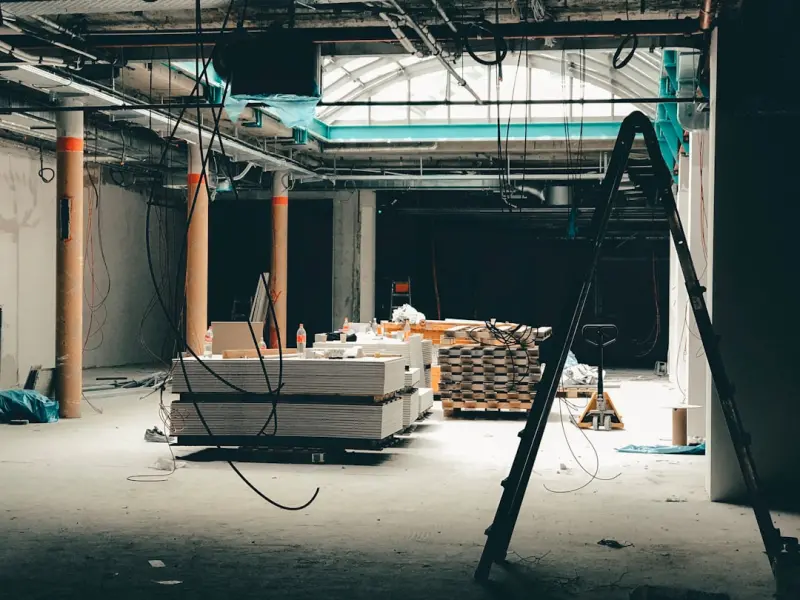
Rethinking Commercial Renovations: The Rise of Data‑Driven Space Planning
A deep dive into using occupancy sensors, movement analytics, and environmental data to create smart... Read More

Maximizing Space and Functionality: A Comprehensive Guide to Commercial Renovations
Commercial renovations can transform your workspace, drive business growth, and stay competitive. Le... Read More
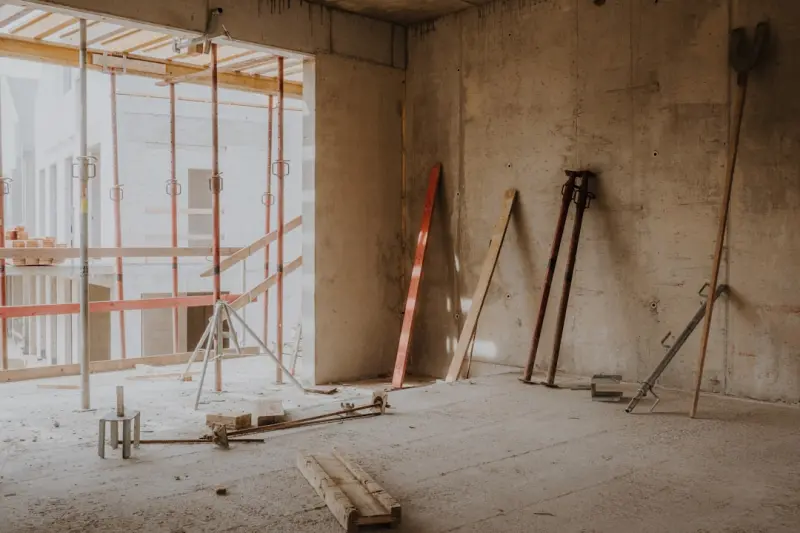
Reimagining Commercial Renovations: A People‑First Blueprint
Learn why modern office remodels must focus on employee wellness, flexibility, and sustainability to... Read More
Top Posts
Sensor‑Enabled Waterproofing: Building a Zero‑Leak Future
Explore how sensor‑enabled waterproofing converts passive barriers into active, data‑driven systems that detect moisture before damage occurs, delivering co...Read More

When Vintage Desks Get a Tech Makeover: Merging Heritage Craft with Modern Function
Discover a fresh take on furniture restoration that blends traditional craftsmanship with embedded technology, turning heritage desks into smart, health‑focus...Read More

Creating a Year‑Round Outdoor Living Room: Seasonal Styling and Comfort
Turn your patio into a year‑round haven with durable flooring, weather‑proof furniture, layered textiles, and seasonal accessories for comfort in any climat...Read More

Beyond Cracks: Leveraging Data to Future‑Proof Your Foundation
A data‑first approach to foundation repair uses sensors, AI analytics, and proactive maintenance to detect hidden movements early, reduce costly emergency fix...Read More
0 Comments
Post Comment
You will need to Login or Register to comment on this post!