
Rethinking Commercial Renovations: The Rise of Data-Driven Space Planning
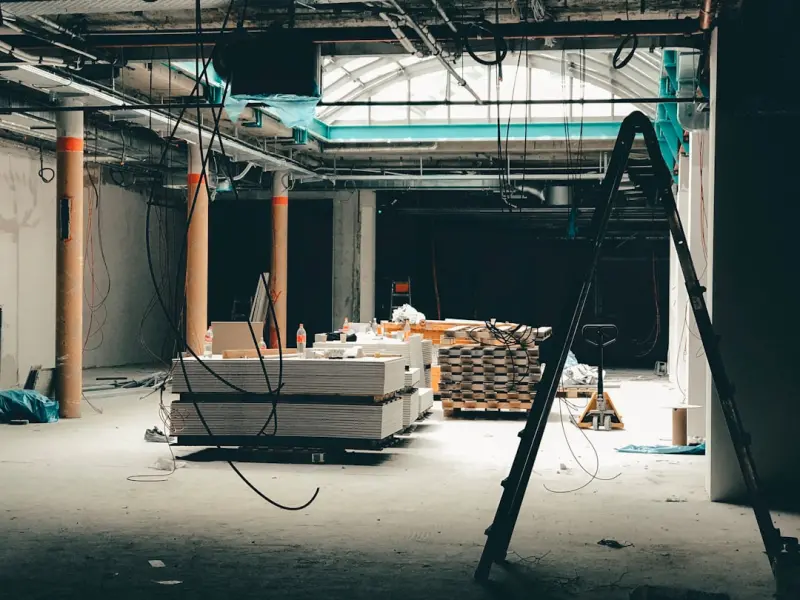
When I first stepped onto a downtown office floor slated for a full‑scale makeover, I felt the familiar buzz of possibility. The space was a blank canvas, but beyond the exposed concrete and dusty fixtures, there was a silent narrative waiting to be uncovered: how people actually move, work, and collaborate in that environment. In my ten years of leading commercial renovation projects, the biggest shift I’ve witnessed isn’t about new materials or flashier finishes—it’s about the infusion of data into every decision point. This post dives deep into why data‑driven space planning is the new cornerstone of successful commercial renovations, how to get started, and the tangible benefits you can expect.
Why Data Matters More Than Aesthetic Gut Instinct
Historically, renovation teams leaned heavily on design intuition and client “feel‑good” preferences. While aesthetics remain essential, they’re no longer the primary driver of ROI. A virtual walkthrough can showcase how a space will look, but it can’t tell you whether employees will actually use that meeting room or if the chosen layout will reduce foot‑traffic bottlenecks. Data fills that gap.
- Occupancy analytics: Sensors and badge systems reveal peak usage times, underutilized zones, and real‑time density.
- Movement patterns: Heat‑map visualizations from Wi‑Fi triangulation show the most traveled paths, highlighting where wayfinding signage or additional circulation space is needed.
- Environmental feedback: Air quality, temperature, and lighting sensors pinpoint comfort hotspots and cold spots that affect productivity.
When these data points converge, they paint a vivid, actionable portrait of a workspace’s lived experience—information that can transform a generic renovation into a strategic asset.
Building a Data‑First Renovation Playbook
Transitioning from “gut feeling” to “data‑informed” doesn’t require a massive overhaul of your existing workflow. It’s about layering a few key steps into the pre‑design phase.
1. Define Clear Business Objectives
Start by asking the stakeholders what success looks like: higher employee retention, reduced energy costs, increased collaborative hours, or faster client onboarding. Quantify these goals where possible—e.g., aim for a 15% reduction in average meeting room wait times.
2. Deploy Lightweight Sensors
You don’t need a full‑blown IoT ecosystem from day one. Simple Bluetooth beacons, motion detectors, or even existing Wi‑Fi access point data can provide a baseline. Over a 30‑day pilot, capture occupancy rates, dwell times, and movement flows.
3. Consolidate & Visualize
Use a platform that can ingest disparate data streams and turn them into easy‑to‑read heat maps and dashboards. The goal is to make the information digestible for architects, contractors, and the executive team alike.
4. Iterate Design Concepts
With data in hand, draft multiple layout scenarios. For each, simulate how the new configuration would impact the metrics you care about. This iterative loop ensures the final design is the one that best aligns with your objectives.
5. Validate Post‑Renovation
After construction, re‑install the sensors to confirm that the new space delivers the promised improvements. This closed‑loop approach builds confidence for future renovation cycles.
Real‑World Impact: Case Studies That Speak Volumes
Let me share two anonymized projects where data‑driven planning turned a standard renovation into a strategic win.
Case A: A Mid‑Size Law Firm’s “Quiet Zone” Dilemma
The firm wanted a dedicated quiet zone for deep work but struggled with noise bleed from adjacent collaborative areas. By installing acoustic sensors and occupancy counters, we discovered that the proposed quiet zone was located directly on a high‑traffic corridor, resulting in an average noise level of 68 dB during peak hours. The data prompted a redesign: we shifted the quiet zone two floors up, added a sound‑absorbing wall system, and introduced a “focus pod” concept. Post‑renovation measurements showed a consistent 45 dB environment, and employee satisfaction scores for focus time rose by 27%.
Case B: A Co‑Working Space’s Energy Overhaul
A co‑working operator wanted to reduce their monthly utility bill without compromising member comfort. By integrating sustainable drywall with embedded thermal sensors, we mapped out temperature variations across the floor. The data revealed that large glass facades caused solar gain in the afternoon, pushing the HVAC system into overdrive. The renovation plan added automated shading devices, high‑efficiency LED lighting, and a zoned HVAC system. The outcome? A 22% drop in energy consumption and a 15% increase in member retention within six months.
Key Benefits That Translate to Bottom‑Line Gains
- Optimized Space Utilization: Align square footage with actual demand, reducing wasted rent.
- Enhanced Employee Well‑Being: Tailor lighting, temperature, and acoustic environments to human comfort thresholds.
- Future‑Proof Flexibility: Data trends highlight where modular walls or adaptable furniture will add value later.
- Quantifiable ROI: Clear metrics before and after renovation make it easy to justify the investment to the CFO.
Integrating Data With Other Renovation Trends
Data‑driven planning isn’t an isolated silo; it complements many of the hot topics we’ve covered recently. For instance, when you pair sensor insights with modern fencing solutions, you can design perimeter security that aligns with real‑time foot traffic patterns, enhancing both safety and flow. Likewise, aligning data findings with sustainable material choices—like low‑VOC paints or recycled drywall—creates a holistic approach that satisfies both performance and environmental goals.
Overcoming Common Hurdles
Adopting a data‑centric mindset can feel daunting. Here are the most frequent objections I encounter and how to address them:
- “We don’t have the budget for sensors.” Start small—one sensor per zone can still generate valuable insights. Many devices cost under $50 each.
- “Our team isn’t tech‑savvy.” Partner with a vendor that offers a user‑friendly dashboard and dedicated support.
- “Data privacy concerns.” Focus on aggregate, anonymized metrics. No personally identifiable information is required for space planning.
Actionable Checklist for Your Next Data‑Driven Renovation
- Set measurable objectives aligned with business outcomes.
- Choose a pilot area and deploy basic occupancy sensors.
- Collect data for at least 30 days to capture variability.
- Visualize the data in heat maps and dashboards.
- Develop multiple layout concepts based on insights.
- Select the design that best meets your KPIs.
- Implement the renovation with a focus on modular, adaptable elements.
- Re‑measure post‑completion to verify performance.
Looking Ahead: The Next Wave of Intelligent Renovations
As the Internet of Things continues to mature, the granularity of data we can capture will only improve. Imagine a space where every desk knows when a user is present, automatically adjusting lighting and temperature, while a central analytics engine suggests real‑time reconfigurations based on emerging collaboration trends. The future of commercial renovations is not just about building new walls—it’s about building intelligent ecosystems that evolve alongside your business.
If you’re ready to move beyond intuition and embrace a data‑driven renovation strategy, start small, stay curious, and let the numbers guide your design decisions. The payoff isn’t just a prettier office; it’s a workspace that truly works for your people and your profit margins.

Kelly Reynolds is a dynamic freelance writer hailing from the picturesque landscapes of Alberta. A master of the written word, she juggles her passion for storytelling with the exhilarating chaos of being a mother to five spirited children. With an impressive portfolio that spans various genres, Kelly captivates readers through her engaging blog posts and thought-provoking articles.
Related Posts

Acoustic Mastery in Commercial Renovations: Turning Noise into Asset
A deep dive into why sound matters in commercial renovations, covering acoustic fundamentals, integr... Read More
Reimagining Commercial Renovations: Adaptive Reuse Meets Digital Twins
Adaptive reuse, combined with digital twin technology, offers a faster, greener, and more profitable... Read More
Strategic Adaptive Reuse and Modular Design: A New Playbook for Commercial Renovations
Explore a fresh strategy for commercial renovations that blends adaptive reuse, modular construction... Read More
Top Posts
Hybrid Heat Pumps: Merging Renewable Power with Traditional HVAC for a Greener Future
Hybrid heat pumps combine modern renewable‑driven units with traditional backup heaters, delivering consistent comfort, lower utility bills, and reduced emiss...Read More

DIY Home Repairs: Turning Everyday Fixes into Sustainable Wins
Learn how simple DIY home repairs can slash bills, reduce waste, and give you the satisfaction of fixing your space yourself....Read More

From Showpiece to Food Source: Transforming Your Landscape into a Sustainable Harvest
Learn how to redesign your landscape for food, wildlife, and water efficiency, creating a beautiful, sustainable garden that feeds both family and ecosystem....Read More

From Spot Checks to Smart Scans: How AI and Drones Are Redefining Energy Inspection
A deep dive into the next generation of energy inspection, exploring AI-driven analytics, drone thermal imaging, and continuous IoT sensing that turn hidden was...Read More
0 Comments
Post Comment
You will need to Login or Register to comment on this post!