
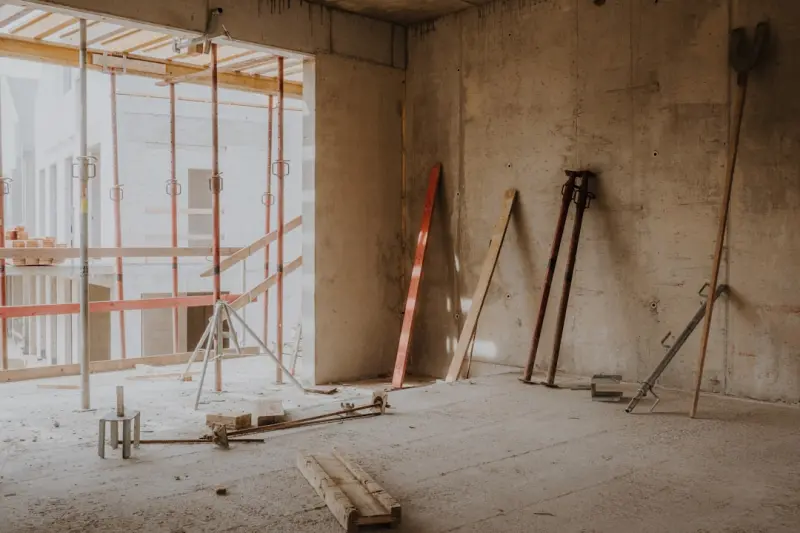
Why Commercial Renovations Must Prioritize Employee Experience
Today's businesses understand that the physical workspace is a direct driver of productivity, morale, and talent retention. When a renovation moves beyond mere aesthetics and embeds employee experience into its core, the return on investment can be measured not just in dollars but in reduced turnover and higher engagement scores. I’ve seen companies that treat a remodel as a strategic lever, turning bland office floors into environments where people actually want to show up.
Designing for Flexibility: Modular Spaces That Evolve
One of the biggest missteps in commercial upgrades is locking a layout into a single use forever. By installing modular wall systems, movable furniture platforms, and raised flooring that can accommodate new cabling, a space becomes a living organism that adapts to shifting team sizes and workflows. This flexibility reduces the need for costly future overhauls and keeps the office aligned with changing business models.
Sustainable Materials: The New Benchmark for Commercial Floors
Choosing the right surface isn’t just about visual impact; it’s about lifecycle performance and environmental stewardship. Reclaimed wood, recycled‑content carpet tiles, and low‑VOC sealants all contribute to a healthier indoor environment while supporting corporate sustainability goals. For a deeper dive on material options, check out Flooring Futures, which showcases how the right floor can boost comfort, style, and sustainability simultaneously.
Smart Technology Integration: From Sensors to Seamless Controls
Modern offices thrive on data‑driven insights, and a renovation is the perfect moment to embed IoT sensors that monitor occupancy, air quality, and energy use. Integrated lighting systems that adjust hue and intensity based on daylight reduce fatigue, while app‑controlled climate zones let teams personalize their environment without a single manual dial. Planning this tech layer is easier when you follow a proven framework—something you’ll find in The Ultimate Renovation Checklist, which walks you through each critical step.
Acoustic Strategy: Managing Sound for Focus and Collaboration
Open‑plan layouts foster collaboration, but unchecked noise can erode concentration. Incorporating acoustic panels, ceiling baffles, and strategic zoning creates a balanced soundscape where conversation thrives without drowning out deep work. Even simple solutions like upholstered seating and carpeted walkways act as sound absorbers, turning a bustling floor into a place where ideas can be heard clearly.
Brand Identity Through Interior Design
The office is a canvas for brand storytelling; colors, textures, and signage should echo the company’s mission and values. A bold accent wall in the reception area, custom‑etched glass partitions, and curated artwork can reinforce brand narrative the moment a visitor steps inside. Consistency in visual cues not only impresses clients but also gives employees a sense of belonging to a cohesive, purpose‑driven organization.
Wellness Zones: Bringing Nature and Rest Into the Workplace
Biophilic design isn’t a fad—it’s a science‑backed approach that improves mental health and reduces stress. Incorporating living walls, indoor gardens, and daylight‑maximizing skylights brings the outdoors inside, while dedicated nap pods and quiet lounges provide micro‑break opportunities. These wellness zones act as productivity boosters, giving staff the recharge they need to maintain high performance throughout the day.
Budgeting Smartly: Phased Renovations for Minimal Disruption
Renovating a bustling office can’t afford a full shutdown; the solution is a phased rollout that targets high‑impact areas first. Start with the reception and common zones to make an immediate impression, then move to workstations, and finally fine‑tune specialty spaces like labs or studios. This staged approach spreads costs, maintains operations, and allows for feedback loops that refine later phases.
Conclusion: Turning Renovation Into a Competitive Advantage
A well‑executed commercial renovation does more than refresh a space—it reshapes the way a company works, collaborates, and grows. By embedding flexibility, sustainability, technology, and wellness into every design decision, you create an environment that attracts top talent, impresses clients, and drives measurable business outcomes. Ready to transform your workspace into a strategic asset? Let’s start the conversation and map out a renovation plan that puts people first and profit second.

Kelly Reynolds is a dynamic freelance writer hailing from the picturesque landscapes of Alberta. A master of the written word, she juggles her passion for storytelling with the exhilarating chaos of being a mother to five spirited children. With an impressive portfolio that spans various genres, Kelly captivates readers through her engaging blog posts and thought-provoking articles.
Related Posts
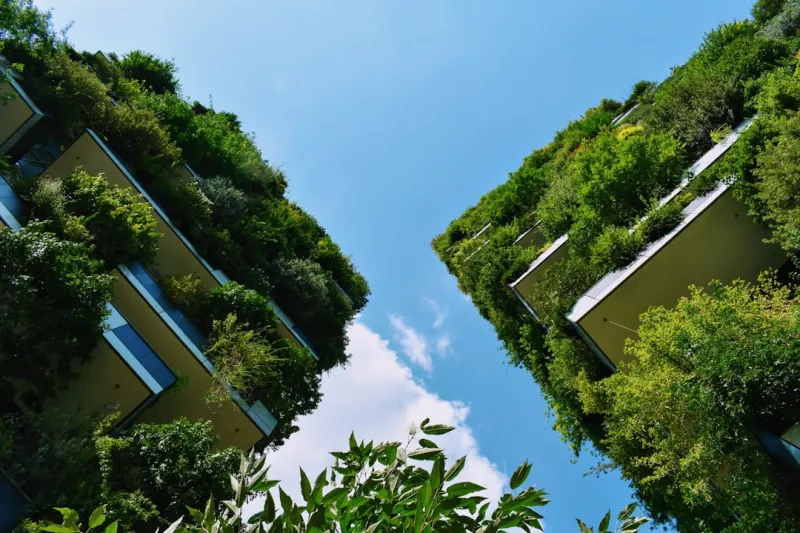
Embracing Sustainable Commercial Renovations: A Greener Future for Businesses
Sustainable commercial renovations offer businesses a chance to reduce their carbon footprint, impro... Read More
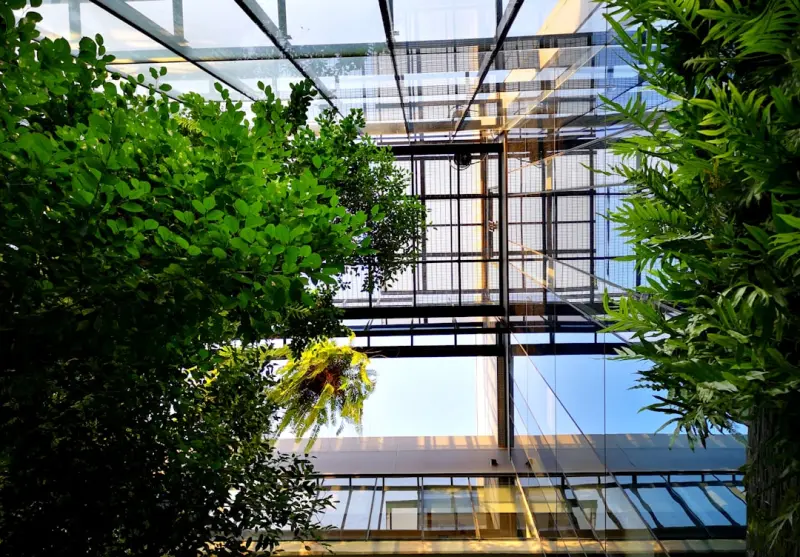
Bringing Nature Inside: How Biophilic Commercial Renovations Drive Business Success
Explore the power of biophilic design in commercial renovations—learn how natural elements improve... Read More
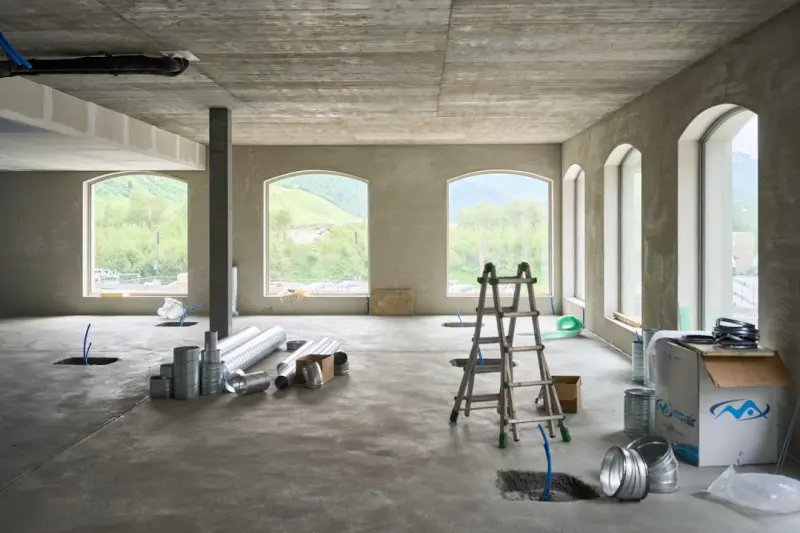
Reimagining Commercial Renovations: From Legacy to Living Assets
A deep dive into modern commercial renovation strategies, highlighting human‑centered design, circ... Read More
Top Posts
Why Clean Carpets Are the Silent Engine of Workplace Performance
Clean carpets do more than look good—they filter pollutants, enhance productivity, and extend asset life. Learn why a strategic cleaning plan is essential for...Read More
Sustainable Flooring: A Key Component of Eco-Friendly Home Design
Sustainable flooring is a critical component of eco-friendly home design. Learn about the benefits and types of sustainable flooring, from reclaimed hardwood to...Read More

The Art of Drywalling: A Comprehensive Guide
Drywalling is an essential step in building or renovating a home. Learn the tips and techniques for a smooth finish and durable drywall installation with our co...Read More
Concrete Trends and Sustainable Strategies for the Modern Home
Discover how modern concrete techniques blend durability with sustainability, from eco‑friendly mixes to smart heating integration, turning slabs into lasting...Read More
0 Comments
Post Comment
You will need to Login or Register to comment on this post!