
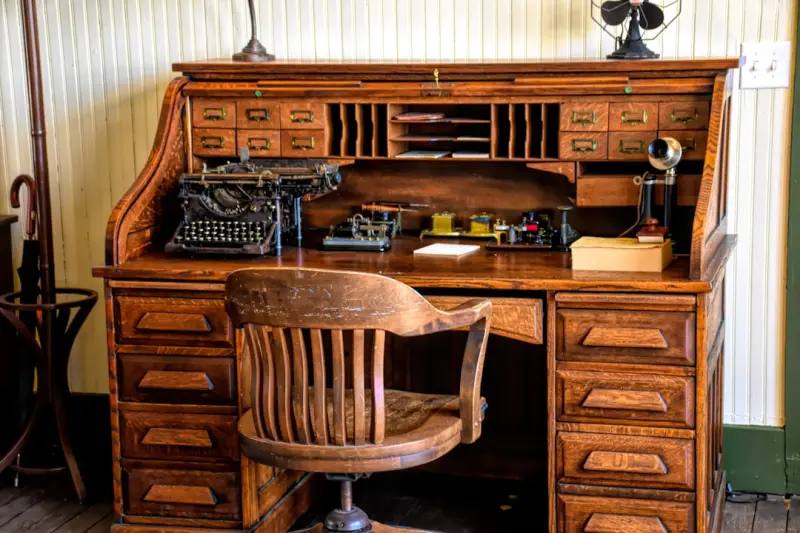
When Vintage Desks Meet Digital Makeovers: Crafting Smarter, Heritage‑Inspired Workspaces
There’s a quiet thrill in spotting a solid‑wood desk that’s been tucked away in a forgotten corner of a loft or a conference room. Its grain tells a story, its wear marks years of brainstorming, coffee spills, and late‑night deadlines. Yet, as we sprint toward a hyper‑connected future, that same desk can feel like a relic—beautiful, but technologically out of sync with the demands of modern teams.
In this piece, I’ll walk you through a fresh perspective on furniture restoration: the convergence of traditional craftsmanship with digital augmentation. Instead of focusing solely on the sustainability or aesthetic payoff, we’ll explore how embedding smart features into restored pieces can unlock new layers of productivity, health, and even data‑driven insights—all while preserving the soul of the original design.
Why “Smart Restoration” Beats Simple Up‑cycling
Up‑cycling has become a buzzword. It’s great to take an old filing cabinet, sand it down, and repaint it a bold hue. But the real opportunity lies in enhancing the piece so it does more than look good. A desk that can charge devices, monitor posture, and communicate with building management systems becomes a strategic asset rather than a decorative afterthought.
Think of the desk as a living interface. Every drawer pull could double as a proximity sensor, a tabletop could embed inductive charging pads, and the underside could house low‑profile environmental monitors. The result? A piece of furniture that actively contributes to workflow efficiency, employee well‑being, and even corporate ESG metrics.
The Anatomy of a Digitally Restored Desk
- Structural Reinforcement: Before any tech goes in, the frame must be assessed for load‑bearing capacity. Modern epoxy resins and carbon‑fiber wraps can subtly strengthen joints without compromising the original aesthetic.
- Embedded Power Solutions: Thin‑film solar cells can be discreetly integrated into a desk’s surface, feeding a small battery that powers USB‑C ports, wireless chargers, and low‑energy LED task lights.
- Sensor Suite: Pressure mats, infrared proximity sensors, and ambient light sensors can collect data on how the workstation is used—feeding insights into space planning and ergonomics programs.
- Connectivity Backbone: A hidden Ethernet or Wi‑Fi 6 module ensures the desk can communicate with building automation platforms, enabling features like automatic height adjustment or climate control triggers.
- Software Layer: A lightweight firmware, often open‑source, lets facilities teams customize alerts (e.g., “desk occupied for more than 2 hours without movement”) and integrates with existing workplace analytics dashboards.
Case Study: From Forgotten Conference Table to Interactive Collaboration Hub
One midsize design firm inherited a massive, walnut conference table that had been the centerpiece of its original headquarters. The table was beautiful, but the wiring for its vintage projector was a nightmare, and the surface was riddled with scratches.
The restoration team started by refinishing the wood using low‑VOC finishes, preserving the grain’s depth. Next, they embedded a series of circular flooring-inspired modular power strips beneath the tabletop, allowing each seat to plug in without visible cords. Finally, they installed a thin, transparent OLED display that could be activated with a tap, turning the table into a shared digital canvas for brainstorming sessions.
Within weeks, the firm reported a 27% increase in collaborative session duration and a noticeable dip in meeting fatigue, attributing the change to the seamless integration of digital tools with a familiar, tactile environment.
Design Philosophy: Respect the Past, Embrace the Future
When you begin a smart restoration, ask yourself three guiding questions:
- What stories does the piece tell? Identify character‑defining elements—hand‑carved details, original hardware, or patina. Preserve or highlight these in the final design.
- Which modern needs does the space demand? Is it power, data, health monitoring, or flexible height? Prioritize features that solve real workflow problems.
- How can technology be invisible? The most elegant solutions hide cables, sensors, and processors behind the wood grain, allowing users to focus on the experience, not the tech.
Health & Wellness Benefits of Smart Restored Furniture
Modern workplaces are increasingly data‑driven in the pursuit of employee well‑being. By embedding sensors that track occupancy and posture, desks can provide real‑time nudges: a gentle vibration reminding someone to stretch, or an automatic adjustment to a standing position after an hour of sitting. This aligns with the broader trend of using the built environment as a wellness catalyst—much like how insulation is being reframed as a health lever.
Moreover, integrating air quality monitors into the desk’s base can feed data into building management systems, prompting ventilation adjustments before pollutants affect occupants. The desk becomes an active participant in the health ecosystem, not just a passive object.
Data‑Driven Facility Management
Imagine a portfolio of restored desks across multiple offices, each sending anonymized usage metrics to a central dashboard. Facility managers could answer questions like:
- Which zones experience the highest occupancy?
- Are certain desks consistently underused, indicating a need for space reallocation?
- How does power consumption vary between legacy and smart‑restored furniture?
This data can inform lease negotiations, space planning, and ESG reporting, turning what once was a purely aesthetic upgrade into a strategic intelligence platform.
Balancing Cost and ROI
Critics often cite the upfront expense of smart restoration. However, when you factor in reduced energy consumption (thanks to localized charging and smart lighting), lower furniture turnover, and productivity gains from ergonomic enhancements, the payback period can shrink dramatically.
For example, a pilot program that equipped 50 desks with integrated occupancy sensors and charging stations realized a 15% reduction in office energy use within six months. Coupled with a modest increase in employee satisfaction scores, the ROI became compelling enough to expand the initiative company‑wide.
Future‑Proofing Through Modular Upgrades
One of the smartest design choices is to keep the tech modular. By designing the desk with interchangeable “tech plates” that can be swapped out, you future‑proof the furniture against rapid advances in battery technology, wireless standards, or sensor capabilities. This approach mirrors the philosophy behind adaptive window treatments, where the hardware can evolve without replacing the entire system.
Craftsmanship Meets Code: Building a Collaborative Team
Successful smart restoration projects demand a multidisciplinary team:
- Master Joiners & Finishers: Preserve the tactile qualities and structural integrity of the piece.
- Industrial Designers: Conceive how technology integrates seamlessly.
- Electrical & Firmware Engineers: Develop low‑profile power and sensor solutions.
- Data Analysts: Translate sensor outputs into actionable insights.
When these experts collaborate from the outset, the resulting piece feels less like a retrofitted gadget and more like a natural evolution of the original design.
Environmental Impact: Extending the Life Cycle
Beyond the immediate functional upgrades, smart restoration dramatically extends the useful life of furniture. By avoiding the disposal of perfectly serviceable woodwork, companies reduce landfill waste and the carbon footprint associated with manufacturing new pieces. The added electronic components should be sourced from recyclable, responsibly manufactured suppliers, further bolstering the sustainability case.
Getting Started: A Practical Checklist
- Audit Existing Inventory: Identify pieces with strong structural bones and iconic design language.
- Define Business Objectives: Clarify whether the focus is on energy savings, employee health, data collection, or brand storytelling.
- Select Technology Partners: Choose vendors that specialize in low‑profile, modular electronics.
- Prototype & Test: Build a pilot unit, gather feedback, and iterate on both hardware and software.
- Scale Thoughtfully: Roll out in phases, monitoring ROI metrics at each step.
Conclusion: A New Narrative for Heritage Furniture
Furniture restoration is no longer just about polishing a surface or re‑upholstering a chair. It’s about weaving the narrative of craftsmanship with the language of data, health, and sustainability. When vintage desks gain digital muscles, they become more than relics—they become active contributors to a smarter, healthier, and more resilient workplace.
By embracing this hybrid approach, organizations can honor their past while confidently stepping into the future, one restored desk at a time.

William Roy is a freelance writer originally from Montreal who moved to Ottawa with his wife of 50 years to be closer to their grandkids. Alongside his writing, William has a passion for fishing.
Related Posts

Breathing New Life into Vintage Furniture: A Hands‑On Journey
Explore a step‑by‑step restoration process that blends history, sustainability, and modern desig... Read More
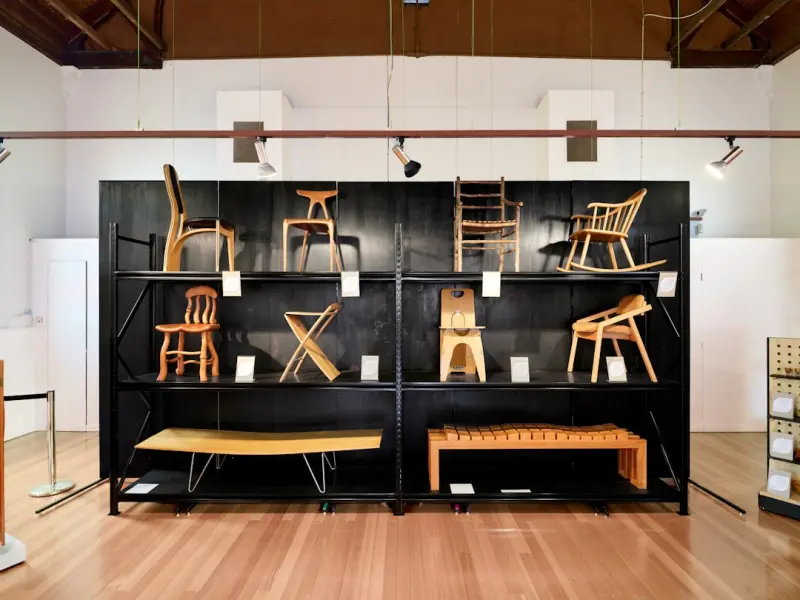
From Dust to Drama: Mastering Sustainable Furniture Restoration
Explore a fresh, sustainable approach to furniture restoration that blends timeless craftsmanship wi... Read More

Breathing New Life Into Old Furniture: A Craftsman’s Journey
A seasoned craftsman shares his step‑by‑step process for breathing new life into heirloom furnit... Read More
Top Posts

Fencing Trends: How Sustainable Design Is Redefining Outdoor Spaces
Discover how eco‑friendly materials, smart technology, and innovative designs are turning fences into sustainable statements that boost curb appeal and protec...Read More
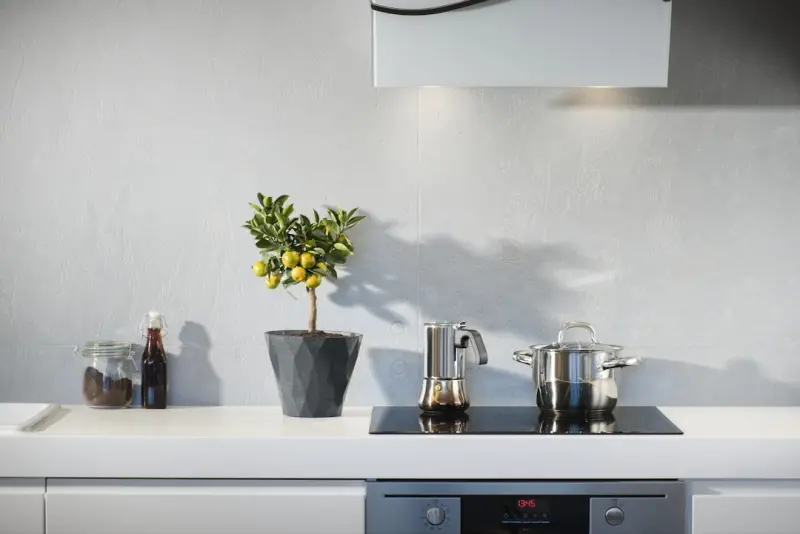
Designing a Kitchen That Grows With Your Life
Learn to design a kitchen that evolves with your family, blending adaptive zones, smart storage, and sustainable tech for lasting functionality and style....Read More
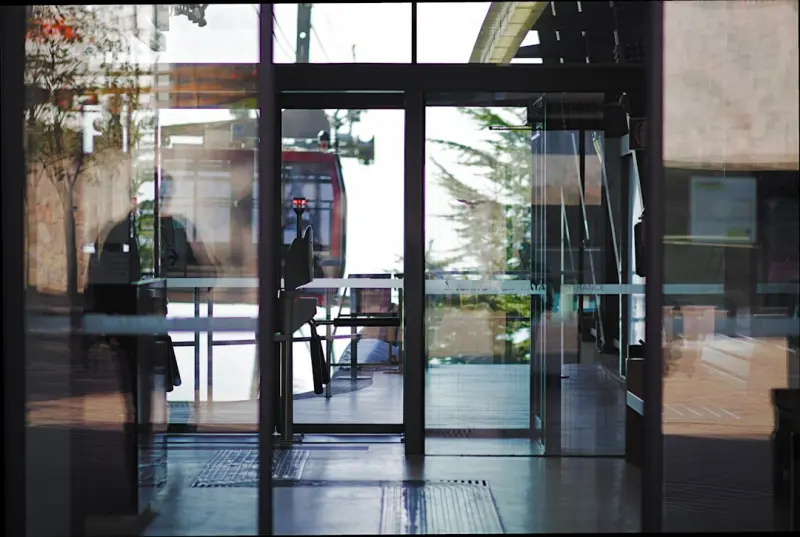
AI Meets Glass: Transforming Windows & Doors into Intelligent Building Assets
Discover how AI-powered sensors and analytics turn ordinary windows and doors into dynamic, energy‑efficient, and secure components of a smart building, deliv...Read More

Concrete Trends and Sustainable Strategies for the Modern Home
Discover how modern concrete techniques blend durability with sustainability, from eco‑friendly mixes to smart heating integration, turning slabs into lasting...Read More
0 Comments
Post Comment
You will need to Login or Register to comment on this post!