
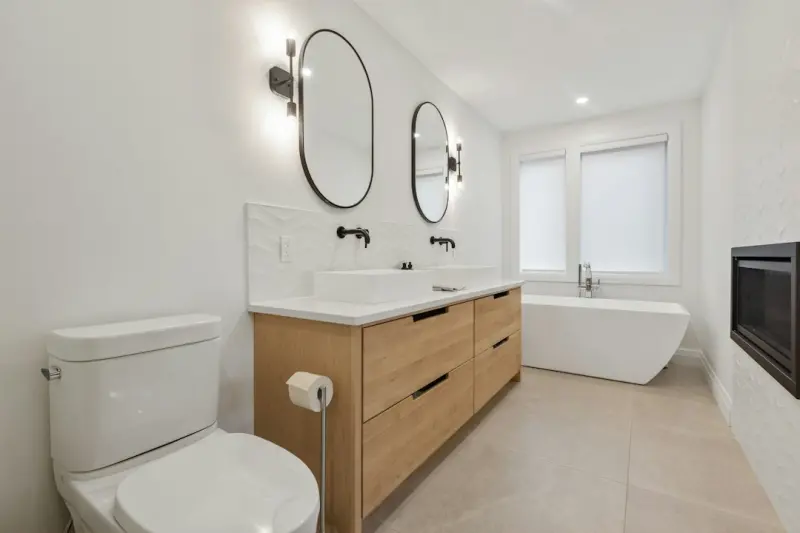
Why Zero‑Waste Matters in Modern Bathroom Renovations
When I first stepped into a showroom brimming with gleaming porcelain, glossy tiles, and high‑tech fixtures, I felt the familiar pull of more. More style, more convenience, more instant gratification. Yet, after a decade of managing commercial projects, I’ve learned that every extra square foot of waste carries hidden costs—environmental, financial, and even emotional. A bathroom, often the most overlooked room in sustainability discussions, presents a unique opportunity to turn a renovation into a circular design statement rather than a landfill‑feeding sprint.
The Circular Economy Mindset: From Linear to Looped
Traditional remodels follow a linear path: extract → manufacture → install → discard. Zero‑waste bathroom projects flip that script by asking three questions before the first demolition:
- What can be reclaimed? Old cabinets, copper pipes, and even concrete slabs can be salvaged, refurbished, or repurposed.
- Which materials close the loop? Choose products designed for disassembly, made from recycled content, or that can be returned to the manufacturer at end‑of‑life.
- How can waste be eliminated at source? Plan for precise cuts, modular assemblies, and on‑site sorting to keep debris out of the trash.
These questions shift the project from a “spend‑and‑toss” mindset to one where every material has a second (or third) life.
Step‑by‑Step Blueprint for a Zero‑Waste Bathroom
1. Conduct a Materials Audit
Before any demolition, walk through the existing space with a notebook (or a tablet) and catalog every component. Identify:
- Re‑usable fixtures (e.g., a solid‑copper bathtub that can be refinished).
- Elements that can be donated or sold on resale platforms.
- Materials that are hazardous and require special disposal (asbestos‑containing tiles, lead‑based paint).
Documenting these items not only reduces landfill output but also uncovers hidden value—sometimes a reclaimed vanity can become a show‑stopping centerpiece.
2. Choose Recycled & Upcycled Materials
When new components are unavoidable, prioritize:
- Recycled glass tiles: They divert post‑consumer glass from landfills while delivering a luxe look.
- Reclaimed wood panels: Sourced from deconstructed barns or old warehouses, they bring warmth and a story to the space.
- Low‑VOC (volatile organic compounds) paints and sealants: These protect indoor air quality, an often‑ignored sustainability metric.
- Biodegradable grout: Recent advances have produced grout that breaks down safely after its service life, closing the loop on a traditionally stubborn waste stream.
3. Adopt Modular, Disassembly‑Friendly Fixtures
Modularity is the unsung hero of zero‑waste design. Opt for fixtures that can be taken apart without damaging the core component. For example:
- Wall‑mounted toilets that separate the tank from the bowl.
- Floating vanity units bolted to the wall rather than glued.
- Prefabricated shower panels with snap‑in seals instead of caulk.
This approach not only eases future upgrades but also ensures that at the end of its life, the fixture can be reclaimed with minimal effort.
4. Precision Demolition & On‑Site Sorting
Instead of gutting the entire bathroom in one chaotic swing, employ a “zone demolition” strategy. Work in small sections, separating:
- Clean, reusable components (e.g., metal towel bars).
- Materials destined for recycling (e.g., concrete, brick).
- Hazardous waste for professional disposal.
Invest in a small on‑site compactor or a recycling bin to keep debris sorted. The cost of extra labor is often offset by the reduced haul‑away fees and the resale value of salvaged items.
5. Water‑Smart Fixtures that Don't Require IoT Overkill
While smart toilets and connected faucets make headlines, a true zero‑waste bathroom starts with the basics: low‑flow fixtures that reduce water consumption without relying on sensors that have a short lifespan. Look for:
- Dual‑flush toilets with a mechanical lever.
- Aerated faucets that mix air with water to maintain pressure.
- Showerheads with flow‑rate certifications (≤2.0 gpm).
These choices slash water bills and lessen the environmental impact of water treatment, all while staying simple enough for future repairs—a nod to the DIY spirit I championed in The DIY Homeowner’s Playbook.
6. Source Locally to Cut Transportation Emissions
Every mile a tile travels adds carbon to your project. Work with regional manufacturers or salvage yards to source:
- Recycled ceramic tiles made within a 200‑mile radius.
- Locally milled reclaimed wood.
- Hand‑blown glass mosaics produced by nearby artisans.
Local sourcing also fuels the community economy, aligning the renovation with broader sustainability goals.
7. Embrace Non‑Toxic Finishes
Bathrooms are humid, and moisture can release chemicals from subpar sealants. Choose finishes that are:
- Water‑based, low‑odor, and free of formaldehyde.
- Certified by reputable programs (e.g., GREENGUARD Gold).
These products safeguard both occupants’ health and the longevity of reclaimed materials, which can degrade faster when exposed to harsh chemicals.
8. Plan for Future Disassembly
Even the best‑planned renovation will eventually be replaced. Embed a “disassembly plan” into your design documents: a simple diagram that shows where fasteners are located, which components are glued versus screwed, and how to separate each layer. This foresight dramatically reduces future waste and eases the handover to the next owner or remodeler.
Quantifying the Benefits: More Than Just Green Points
Zero‑waste bathroom projects yield measurable outcomes:
- Waste diversion rates: A well‑executed plan can keep 70‑90 % of demolition debris out of landfills.
- Cost savings: Salvaged fixtures often cost 30‑50 % less than brand‑new equivalents, and reduced haul‑away fees can add up quickly.
- Water savings: Low‑flow fixtures can cut water usage by up to 40 % per year, translating to lower utility bills.
- Health improvements: Low‑VOC finishes reduce indoor air pollutants, benefiting occupants with allergies or asthma.
When you stack these benefits, the ROI becomes clear—both financially and ethically.
Real‑World Example: A Zero‑Waste Guest Bath
Last spring I consulted on a boutique hotel’s guest bathroom overhaul. The brief was simple: “Make it luxurious, but don’t add waste.” Here’s how we delivered:
- Reclaimed marble: We sourced a 20‑year‑old marble slab from a decommissioned bank lobby. After polishing, it became the vanity top.
- Re‑engineered fixtures: The original cast‑iron bathtub was stripped, sandblasted, and recoated with a low‑VOC epoxy, extending its life by decades.
- Modular wall panels: Instead of traditional tile, we installed prefabricated, snap‑together wall panels made from recycled glass fibers, allowing for easy replacement.
- Local artisan hardware: Brass towel bars were handcrafted by a nearby smith, reducing shipping distance and adding a unique design element.
Post‑renovation, the hotel reported a 35 % reduction in water consumption and a 60 % decrease in construction waste compared to a conventional remodel. Guests also praised the “story” behind each element—a marketing win that reinforced the brand’s sustainability narrative.
Common Pitfalls and How to Avoid Them
Even with the best intentions, zero‑waste projects can stumble. Below are three frequent missteps and quick fixes:
- Over‑specifying “green” labels: Not all certifications guarantee low waste. Verify that the product’s lifecycle data aligns with your goals.
- Neglecting contractor alignment: Ensure your tradespeople understand the sorting and salvage process. Conduct a pre‑construction briefing and provide clear signage on‑site.
- Skipping the disposal plan: Some items (e.g., certain plastics) cannot be recycled locally. Have a contingency plan—like a mail‑back program—to avoid landfill disposal.
Leveraging Existing Resources
For DIY‑oriented homeowners, many of the principles above can be tackled with basic tools and a little research. The Beyond the Caulking Gun guide offers a solid framework for managing material waste during small‑scale projects, and the DIY Homeowner’s Playbook provides step‑by‑step instructions for handling reclaimed fixtures safely.
Looking Ahead: The Future of Zero‑Waste Bathrooms
As manufacturers respond to market demand, we’ll see more products designed for cradle‑to‑cradle cycles: fixtures that can be returned to the maker for remanufacture, modular tile systems that snap together without grout, and biodegradable sealants that dissolve harmlessly after their service life. By adopting these emerging solutions early, you position your bathroom as a living laboratory for sustainable design—a showcase that can inspire other spaces in the home or even larger commercial projects.
In the end, a zero‑waste bathroom isn’t just about the materials you keep out of the landfill; it’s about reshaping the narrative of renovation from a consumptive event to a responsible, regenerative practice. With thoughtful planning, strategic sourcing, and a commitment to circularity, you can create a space that feels luxurious, functions efficiently, and leaves a lighter footprint on the planet.

Lifan Chen is a freelancer based in Toronto specializing in marketing. With expertise in crafting effective marketing strategies and campaigns, Lifan helps businesses grow their brand presence and reach target audiences. As a Toronto-based freelancer, Lifan combines local market insights with creative marketing skills to deliver tailored solutions for clients.
Related Posts
Transform Your Bathroom Into a Wellness Retreat
A practical guide to turning ordinary bathrooms into luxurious, sustainable retreats, covering mater... Read More
Transform Your Bathroom into a Spa‑Like Sanctuary on a Realistic Budget
A hands‑on guide from Tom Ferguson on turning a dated bathroom into a spa‑like retreat using sma... Read More
Transform Your Bathroom into a Sustainable Sanctuary
A hands‑on guide to revamping your bathroom with sustainable materials, smart fixtures, and clever... Read More
Top Posts
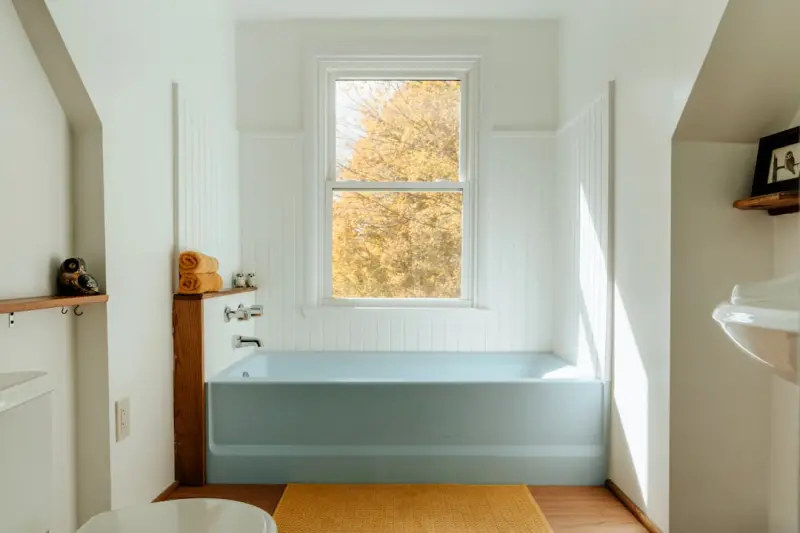
Why Bathtub Refinishing Is the Unsung Hero of Green Home Renovations
Refinishing an old bathtub is a low‑cost, low‑impact upgrade that reduces waste, improves safety, and integrates seamlessly into broader green renovation pl...Read More
Embracing Sustainable DIY Home Repairs for a Greener Tomorrow
Make a positive impact on the environment by embracing sustainable DIY home repairs. Learn how to choose eco-friendly materials, energy-efficient solutions, and...Read More

The Sustainable Awning Revolution: A Game-Changer for Homeowners
Sustainable awnings offer eco-friendly solutions for homeowners, reducing energy consumption and improving air quality while increasing property value....Read More
Reimagining the Closet: Smart, Sustainable Solutions for Modern Living
Explore innovative closet strategies that blend modular systems, smart tech, and sustainable materials to create a flexible, stress‑free storage space tailore...Read More
0 Comments
Post Comment
You will need to Login or Register to comment on this post!