
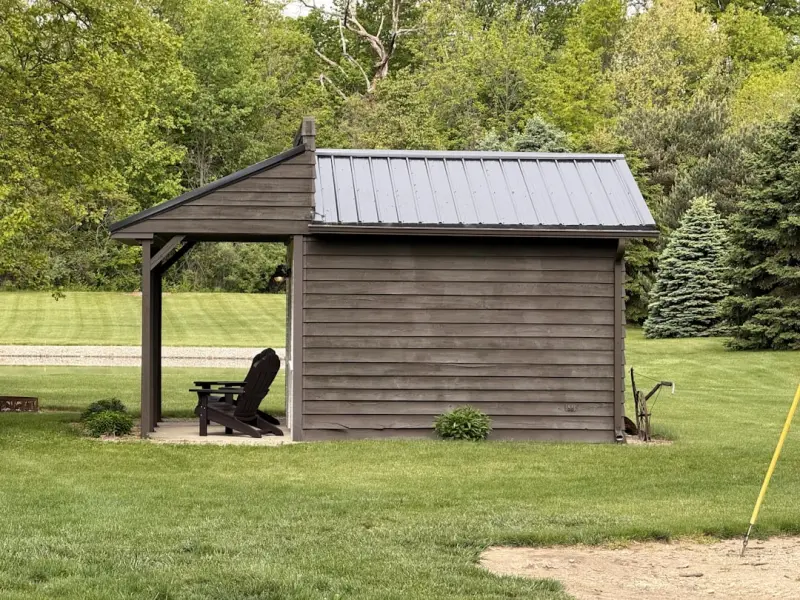
Why Sheds and Gazebos Are No Longer Afterthoughts
For decades the modest shed tucked behind the house was seen as nothing more than a place for garden tools, and the gazebo was relegated to occasional weekend gatherings. Yet the way we live, work, and play has shifted dramatically. Remote‑work days, micro‑businesses, and a renewed love for outdoor‑focused wellness have turned these peripheral structures into central, multifunctional spaces. In my own backyard, the old garden shed has become a quiet “focus pod” for drafting proposals, while the neighboring gazebo hosts weekend yoga sessions, pop‑up art shows, and even a small‑scale hydroponic garden.
From Storage Box to Hybrid Hub
The first step in re‑imagining a shed or gazebo is to ask, “What purpose does it need to serve today, and how might that change tomorrow?” A traditional storage‑only mindset limits the potential of the footprint. By thinking of the structure as a hybrid hub—part office, part studio, part leisure zone—you unlock a host of design decisions that make the space valuable year‑round.
- Workspace corners: A compact desk, ergonomic chair, and discreet power outlets can turn a 10‑square‑meter shed into a productive office.
- Creative studio: Add a sturdy workbench, wall‑mounted storage for tools or art supplies, and ample natural light, and you have a maker’s lab.
- Wellness nook: A low‑profile bench, built‑in planters, and soft lighting transform a gazebo into a meditation or yoga sanctuary.
When each square foot is assigned a purpose, the structure stops feeling like an afterthought and becomes an intentional part of the property’s ecosystem.
Designing for Climate Flexibility
Outdoor structures are exposed to the elements, so climate flexibility is essential. Rather than relying on a single, static envelope, consider layered solutions that can be added or removed as the seasons change.
- Insulated panels: Modern insulated wall panels can be installed behind the exterior cladding, offering a warm interior in winter without sacrificing the classic timber aesthetic.
- Adjustable shading: Retractable awnings or louvered panels let you control solar gain, keeping the interior cool in summer while allowing sunlight to warm the space on cooler days.
- Ventilation strategy: Operable clerestory windows and passive vents encourage airflow, reducing the need for mechanical cooling.
These measures allow the same structure to function as a comfortable office during chilly mornings, a bright studio on sunny afternoons, and a cozy lounge as the temperature drops.
Powering the Outpost
Energy independence is no longer a futuristic fantasy; compact solar solutions and battery storage are now affordable and reliable. A small roof‑mounted photovoltaic array can generate enough electricity to power lighting, a laptop, and a portable heater. Pair the array with a wall‑mounted lithium‑ion battery, and the shed becomes a self‑sufficient node on the property.
Integrating a home alarm system that doubles as a smart hub offers more than security; it provides remote monitoring of power usage, temperature, and humidity, giving you a clear picture of the space’s performance without stepping inside.
Integrating Technology Without Overkill
While the temptation to fill every nook with gadgets is strong, a thoughtful approach keeps the space elegant and functional. Here are three low‑maintenance tech additions that add value without creating clutter:
- Wireless lighting control: A simple Bluetooth‑enabled dimmer lets you adjust brightness from a phone, perfect for transitioning from focused work to relaxed ambience.
- Environmental sensors: Small, battery‑free sensors placed in the corner can relay temperature and humidity data to a mobile app, helping you fine‑tune ventilation and heating.
- Smart lock: A keypad or RFID lock provides secure, key‑less access, especially useful if the space doubles as a rental studio.
The goal is to enhance usability while preserving the calm, uncluttered feel that makes a shed or gazebo a retreat.
Materials That Age Gracefully
Choosing the right material palette determines how the structure weathers both time and weather. Traditional timber exudes warmth but requires regular upkeep. Emerging composite panels combine the aesthetic of wood with the low‑maintenance qualities of engineered products. Concrete‑based cladding offers durability and a modern look, especially when paired with reclaimed wood accents.
One innovative approach is to use reclaimed barn wood for interior paneling. The weathered texture adds character, while the reclaimed nature aligns with sustainable practices. Pair this with a breathable waterproof membrane under the exterior cladding to protect the structure without trapping moisture.
Modular Layouts for Changing Needs
Flexibility should be built into the floor plan from the start. A modular interior—think movable wall panels, fold‑away workstations, and detachable shelving—allows you to reconfigure the space as your needs evolve.
- Sliding partitions: Lightweight panels on low‑profile tracks let you divide the interior into separate zones for work and leisure.
- Fold‑down workbench: A bench that folds up against the wall frees floor space when not in use.
- Stackable storage: Modular crates can be stacked vertically or spread horizontally, adapting to different storage demands.
When a new hobby or business opportunity arises, the space can be reshaped without costly renovations.
Case Studies: Real‑World Transformations
Below are three brief snapshots of homeowners who have turned their modest outbuildings into indispensable assets.
- Tech‑enabled workshop: A 12‑square‑meter shed was fitted with insulated panels, a roof‑mounted solar array, and a Bluetooth‑controlled lighting system. The owner now runs a small electronics repair business from the site, saving on rent and commuting time.
- Hybrid office‑wellness gazebo: Using a versatile outdoor platform as a base, the homeowner installed a retractable canopy, a low‑profile desk, and a portable heater. The result is a space that supports remote work in the morning and yoga in the evening.
- Pop‑up retail kiosk: A family repurposed an old garden shed into a weekend market stall. By adding modular shelving and a compact point‑of‑sale system, they created a mobile revenue stream that can be relocated as needed.
Each example demonstrates how a clear vision, combined with modest tech and material upgrades, can dramatically increase the utility and enjoyment of a once‑overlooked structure.
Future‑Proofing Your Outbuilding
Looking ahead, consider how emerging trends might influence your shed or gazebo. While we won’t dive into speculative tech, a few practical steps can keep the space adaptable:
- Pre‑run conduit: Install conduit in the walls during construction to allow easy addition of future wiring or data cables.
- Structural over‑design: Slightly larger roof trusses provide extra load capacity for future solar panels or a rooftop garden.
- Universal mounting points: Standardized brackets on interior walls simplify the installation of future fixtures, whether they’re shelves, artwork, or equipment.
By embedding a little extra capacity now, you avoid costly retrofits later and keep the outbuilding ready for whatever your next project may be.
Conclusion: A New Chapter for an Old Companion
Sheds and gazebos have always been part of the home’s periphery, but they no longer have to remain peripheral. With intentional design, climate‑smart envelope choices, modest technology, and a modular interior, these structures can become year‑round hubs that support work, creativity, wellness, and even entrepreneurship. The next time you walk past that weathered wooden shed, imagine the possibilities: a focused studio, a bright green lab, a tranquil retreat—all within arm’s reach of your main living space.

David MacKinnon is a dynamic freelance writer known for his captivating storytelling and keen insights into the world of technology. With a passion for exploring the intersection of innovation and everyday life, he crafts engaging narratives that not only inform but also inspire his readers.
Related Posts
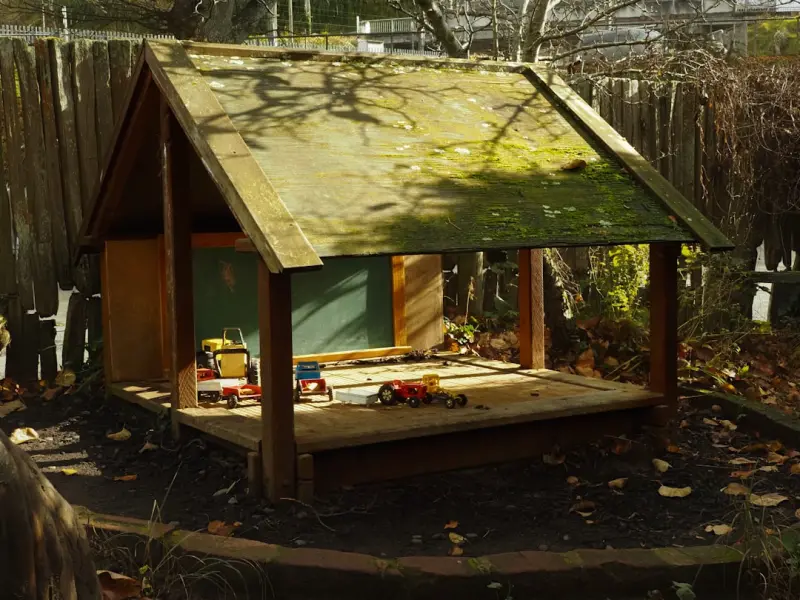
From Backyard to Boardroom: Adaptive Sheds and Gazebos for Modern Home Offices
A deep dive into converting traditional sheds and gazebos into high‑performing, climate‑smart wo... Read More
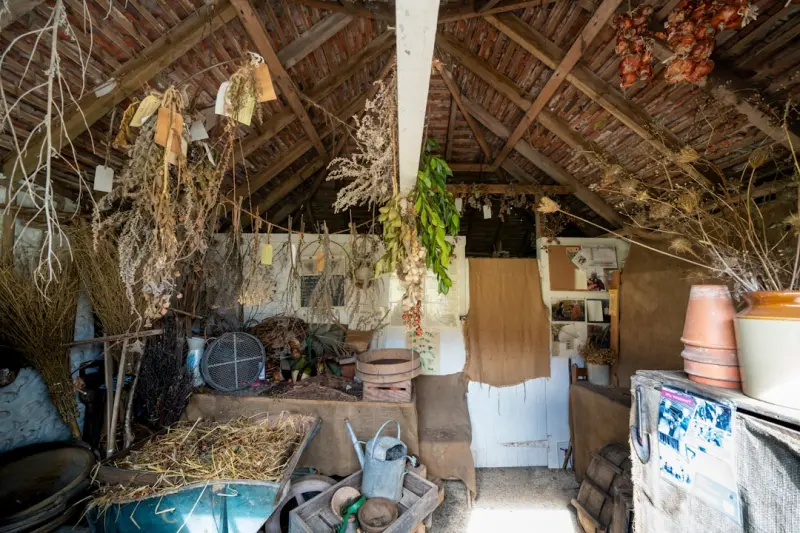
From Storage to Sanctuary: Reimagining Your Garden Shed as a Year‑Round Creative Retreat
Explore a step‑by‑step guide to redesigning a garden shed into a comfortable, multifunctional sa... Read More
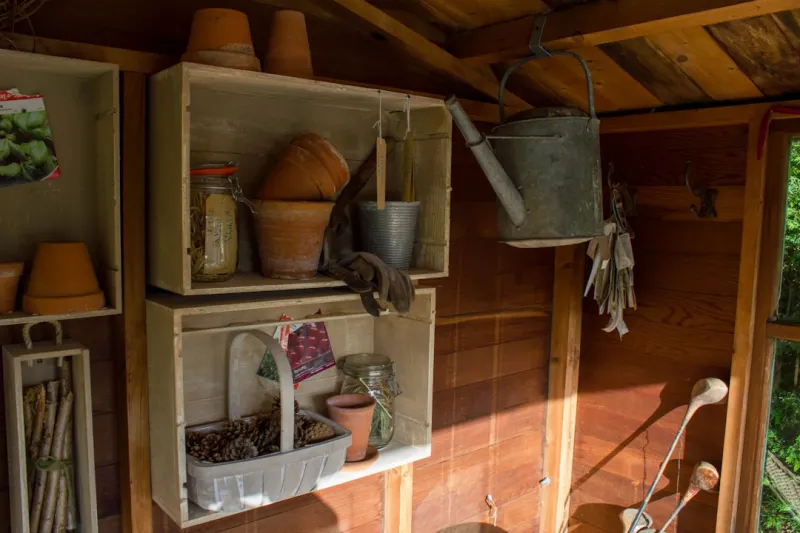
From Shed to Sanctuary: Crafting a Smart, Sustainable Backyard Retreat
Discover the step‑by‑step journey of turning a basic shed into a year‑round, eco‑friendly re... Read More
Top Posts

Concrete Gets Connected: Embedding Sensors for Smarter, Longer‑Lasting Structures
A deep dive into the emerging practice of embedding sensors within concrete, leveraging AI and recycled materials to boost performance, cut costs, and create tr...Read More

Flooring Strategies for Multi‑Generational Homes: Safety, Comfort, and Style
A practical guide to choosing and maintaining flooring that meets the safety, health, and aesthetic needs of every family member in a multi‑generational home....Read More

Handyman Hacks: How AR and On‑Demand Platforms Are Redefining Home Repairs
Learn how modern handymen can combine augmented reality with on‑demand platforms to speed up jobs, improve client communication, and scale their business in t...Read More
Modular Woodworking: Designing Flexible Furniture That Grows With You
Learn the secrets of modular woodworking: from smart joinery and reclaimed lumber to hidden tech integration, create flexible furniture that evolves with your l...Read More
0 Comments
Post Comment
You will need to Login or Register to comment on this post!