

Why the Home Alarm System is No Longer Just a Siren
When I first walked into a client’s house with a toolbox and a stack of wiring diagrams, the alarm panel looked like a relic from a bygone era – a box of blinking LEDs and a keypad that demanded a code every time the front door opened. Fast forward a few years, and that same box now talks to the thermostat, the lights, and even the garden sprinklers. It’s not just a sentinel; it’s a concierge that knows when you’re home, when you’re away, and what you care about most.
In this piece I’ll peel back the layers of today’s alarm systems, explain why the old “loud beep” mentality is dying, and lay out a roadmap for turning your alarm into a data‑rich, privacy‑aware hub that works for you – not against you.
The Shift from Reactive to Proactive Security
Traditional alarms were built on a simple premise: detect intrusions, then sound an alarm. That model works, but it’s also painfully narrow. Modern homeowners expect systems that anticipate threats, adjust to daily rhythms, and even prevent mishaps before they happen.
- Predictive Motion Analytics – Using AI, motion sensors can differentiate a family pet from an unknown intruder, reducing false alarms by up to 80%.
- Environmental Correlation – By integrating temperature, humidity, and air‑quality data, the alarm can flag a window left open during a storm or a sudden drop in pressure that might indicate a pipe burst.
- Behavioral Learning – The system learns when you normally arrive home, when you run the dishwasher, or when you water the garden. Any deviation triggers a nuanced alert, not a generic siren.
Think of it as moving from a “watchdog that barks” to a “guardian that whispers.” The alarm becomes an early‑warning system, giving you time to act before a small issue spirals into a costly emergency.
Privacy First: The New Non‑Negotiable
There’s a growing chorus of homeowners concerned about the data collected by smart devices. An alarm system that streams video, logs motion, and shares usage patterns can be a double‑edged sword. To earn trust, manufacturers are adopting privacy‑by‑design principles:
- Edge Processing – Data is analyzed locally on the device, ensuring raw footage never leaves your home unless you explicitly grant permission.
- Zero‑Knowledge Encryption – Even the service provider can’t see your data without a unique key generated in your household.
- Granular Consent Controls – You decide which sensors can share data with third‑party services (e.g., a security monitoring firm) and which stay strictly private.
When privacy is baked into the architecture, you get the best of both worlds: powerful analytics without the feeling of being watched.
Integration: Turning the Alarm into a Home Command Center
One of the biggest frustrations for DIY enthusiasts is the “silo” effect – each smart device talks only to its own app. A modern alarm system can be the glue that binds disparate devices together.
Consider these practical scenarios:
- Energy Savings – When the alarm detects that everyone has left the house, it signals the smart thermostat to switch to an eco‑mode, cutting heating or cooling by up to 30%.
- Fire Prevention – A smoke detector triggers the alarm, which in turn unlocks doors, disables the HVAC to stop fire spread, and flashes the exterior lights to guide neighbors.
- Package Protection – A motion sensor on the porch notices a delivery, then temporarily disables the front‑door lock’s auto‑lock feature, allowing the courier to drop the package safely.
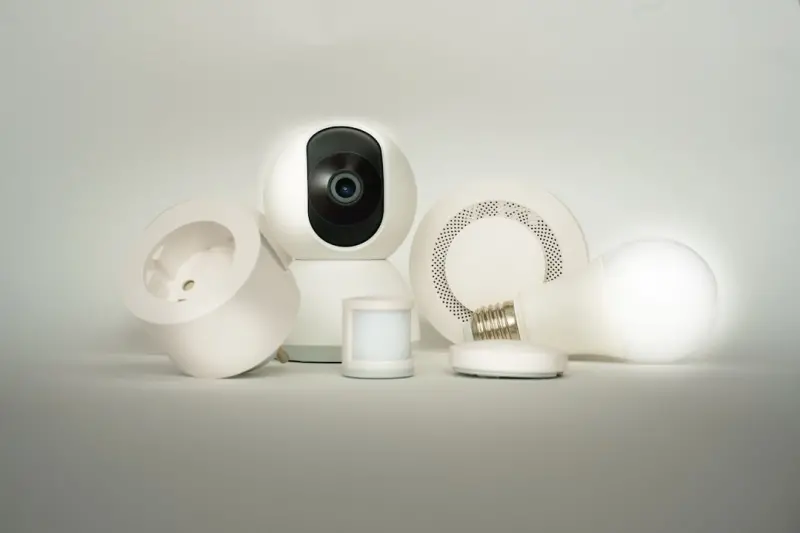
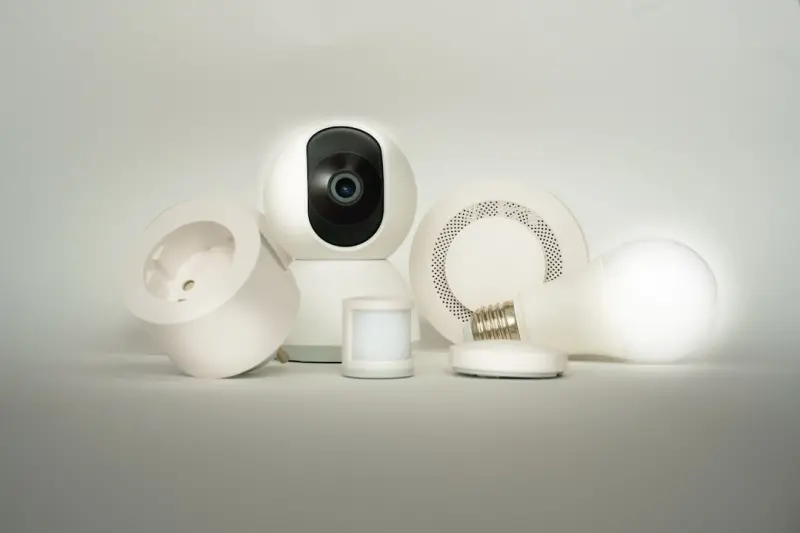
All of this is possible because the alarm’s central hub now runs embedded sensor networks that talk to your Wi‑Fi, Zigbee, and Thread devices without the need for a dozen separate bridges.
Designing for the Hybrid Work Home
Remote work has turned many living rooms into conference rooms, and the line between “home” and “office” is blurrier than ever. Alarm systems are adapting:
- Presence Detection – Using ultrasonic and infrared sensors, the system knows when you’re in a specific room. It can mute interior alerts during a Zoom call while still notifying you of a front‑door breach via your smartwatch.
- Secure Guest Access – Temporary digital keys can be granted to contractors or visitors for a set window of time, and every access event is logged for compliance.
- Network Segmentation – The alarm creates a dedicated, isolated network slice for security devices, protecting them from potential vulnerabilities in your work laptop’s software.
By treating the home as a “distributed office,” you reduce interruptions while maintaining a solid security posture.
Hardware Evolution: From Bulky Panels to Seamless Aesthetics
In the early 2000s, an alarm panel was a box of plastic that stared at you like a bureaucrat. Today, hardware design is an art form:
- Modular Tiles – Thin, smart tiles that embed sensors directly into walls, eliminating the need for visible hardware.
- Wireless Mesh Nodes – Battery‑operated nodes that snap into place, automatically forming a resilient network that self‑heals if one node fails.
- Invisible Power – Energy‑harvesting technology that draws power from ambient light or building vibrations, extending battery life to years.
The result is an alarm system that feels like a natural extension of your architecture rather than an afterthought.
The Role of AI: Smarter Alerts, Fewer Nuisances
Artificial intelligence is the engine behind the “smart” in smart alarms. Here’s how AI reshapes the alert experience:
- Contextual Prioritization – The system evaluates the severity of an event based on location, time of day, and historical data, deciding whether to send a push notification, a silent alert, or a loud siren.
- Voice‑Assistant Integration – When you ask Alexa, “Did anyone come by the back door?” the alarm can respond with a concise summary, e.g., “No activity detected in the past hour.”
- Self‑Testing – AI runs continuous diagnostics, spotting sensor drift or battery degradation before they become failures.
This level of intelligence means you spend less time triaging false alarms and more time focusing on what truly matters.
Future‑Proofing Your Investment
Technology moves fast, but a home is a long‑term investment. Here’s how to ensure your alarm system stays relevant for years to come:
- Open APIs – Choose a platform that offers well‑documented APIs, allowing third‑party developers (or your own IT team) to build custom integrations.
- Modular Upgrades – Instead of replacing the whole system, upgrade individual sensor nodes or the central hub as newer standards emerge.
- Subscription Flexibility – Opt for a tiered service where you can add AI analytics, professional monitoring, or advanced video storage as your needs evolve.
In short, treat your alarm system as a living piece of infrastructure, not a set‑and‑forget gadget.
Practical Steps to Upgrade Your Existing Alarm
If you’re not ready to rip out your old panel, you can still reap many benefits with incremental upgrades:
- Add Smart Sensors – Replace traditional motion detectors with AI‑enabled units that differentiate pets from people.
- Integrate a Hub – Install a neutral hub (e.g., a Home Assistant or Hubitat) that can bridge legacy Z‑Wave devices with newer Wi‑Fi and Thread gear.
- Enable Cloud‑Based Analytics – Many manufacturers now offer optional cloud analytics that can be toggled on without hardware changes.
- Review Permissions – Audit who has access to your alarm’s data and adjust privacy settings to match your comfort level.
- Test Continuously – Schedule monthly drills that simulate various scenarios – intrusion, fire, water leak – and verify that every integrated device reacts appropriately.
These steps can dramatically improve security and convenience without the cost of a full replacement.
Conclusion: The Alarm as a Service, Not a Product
We’ve come full circle. The alarm that once lived in a dusty corner of a basement is now a central, intelligent service that knows you, protects your home, and respects your privacy. It’s not just about loud beeps; it’s about subtle, data‑driven actions that keep you safe and your home running efficiently.
As you consider your next home security upgrade, ask yourself not only “What does it protect against?” but also “How does it integrate, learn, and preserve my privacy?” The answer will guide you toward a system that feels less like a product you bought and more like a partner you earned.

David MacKinnon is a dynamic freelance writer known for his captivating storytelling and keen insights into the world of technology. With a passion for exploring the intersection of innovation and everyday life, he crafts engaging narratives that not only inform but also inspire his readers.
Related Posts
Redefining Home Security: How Integrated Alarm Systems Become Strategic Assets
A deep dive into why today’s home alarm systems are more than deterrents—covering data‑driven ... Read More

Beyond Bells and Sirens: Redefining Home Alarm Systems for the Connected Era
Modern alarm systems are evolving from simple intrusion alerts to predictive, privacy‑focused, and... Read More
Reimagining Home Alarms as Learning, Community‑Aware Guardians
A deep dive into turning traditional home alarms into AI‑driven, privacy‑first, community‑link... Read More
Top Posts

Transform Your Yard: Sustainable Landscaping Strategies That Wow
Explore practical, sustainable landscaping techniques—from soil health to solar lighting—that create a beautiful, low‑maintenance yard and lower your envi...Read More

Concrete as a Living Platform: Embedding Intelligence in the Build
A deep dive into the emerging practice of turning ordinary concrete into a living platform, with embedded sensors that provide real‑time insights on structura...Read More

Predictive Maintenance for HVAC: Harnessing AI to Keep Buildings Comfortable
Predictive maintenance uses sensors and AI to forecast HVAC failures before they happen, delivering energy savings, longer equipment life, and improved occupant...Read More

Breathing New Life into Vintage Windows: A Restoration Blueprint
Restoring vintage windows blends heritage preservation with modern performance. This guide walks you through assessment, material selection, step‑by‑step re...Read More
0 Comments
Post Comment
You will need to Login or Register to comment on this post!