
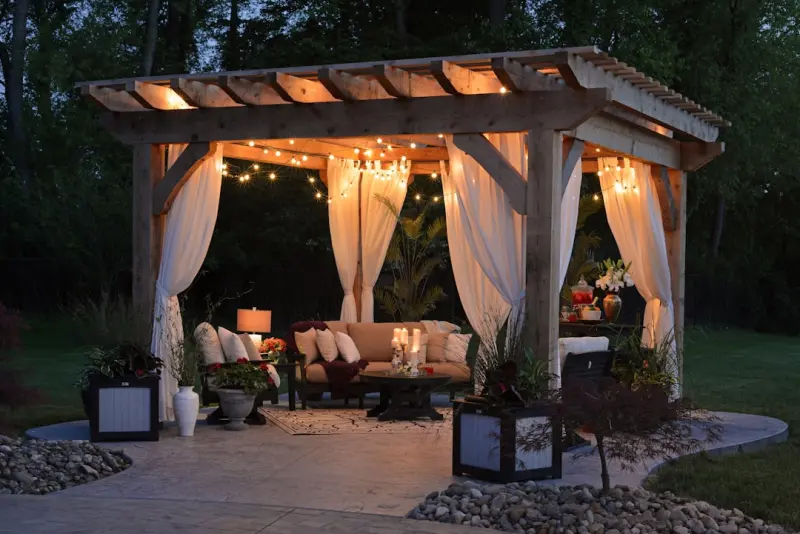
Reimagining the Backyard: Sheds and Gazebos as Creative Outposts
When I first set up a modest garden shed behind my own home, I imagined a simple storage nook for rakes, pots, and the occasional stray garden hose. Over time, that humble box of wood grew into something far more personal—a sanctuary for brainstorming, a studio for painting, and even a pop‑up office on breezy afternoons. In this post, I’ll walk you through how to transform ordinary sheds and gazebos into versatile outposts that serve work, wellness, and community—without turning your yard into a construction site.
Why the Traditional View of Sheds Is Holding You Back
Most homeowners think of sheds and gazebos in binary terms: storage vs. recreation. That mindset limits the potential of these structures. A shed doesn’t have to be a dusty cupboard, and a gazebo isn’t just a place for a summer table and chairs. By treating them as “third spaces”—the transitional zones between home and office, solitude and socializing—you unlock a realm of possibilities that can boost creativity, productivity, and even property value.
Step 1: Define Your “Outpost” Purpose Before You Build
The first mistake many make is buying a pre‑finished kit and figuring out the use later. Instead, start with a purpose‑driven worksheet. Ask yourself:
- Do I need a quiet nook for focused work?
- Will I host small gatherings or workshops?
- Am I looking for a space to practice yoga, meditation, or indoor gardening?
- Do I want an adaptable area that can shift from office to art studio in a single day?
Write down the top three functions. This clarity will guide everything from size and layout to lighting and furnishings.
Step 2: Choose the Right Footprint and Orientation
Every backyard has its own micro‑climate. Position your structure to take advantage of natural light, wind patterns, and existing landscaping. If you plan to work on a laptop, orient the longer wall toward the south (in the Northern Hemisphere) for maximum daylight without glare. For a gazebo meant for evening gatherings, face the entrance toward a view of the sunset or a nearby fire pit.
When space is at a premium, consider a modular shed that can expand later. Many manufacturers offer interlocking panels that allow you to add a wing for a desk or a second entrance for a small lounge area.
Step 3: Insulation and Comfort—The Foundations of a Productive Space
Unlike a garage, a shed isn’t built with comfort in mind. To turn it into a functional workspace, you’ll need to address temperature control and acoustics. A simple roll‑out foam board can line the walls, while a thin layer of reflective insulation on the roof keeps heat from building up on sunny days. For cooler evenings, a portable electric heater or a reclaimed wood stove (safely vented) adds warmth without the expense of a full HVAC system.
Acoustic panels made from recycled denim can be mounted discreetly on one wall to dampen external noise—a lifesaver if you live on a busy street. Pair this with a heavy‑curtained door, and you’ll have a cocoon that feels separate from the bustle outside.
Step 4: Power, Connectivity, and Smart Simplicity
Even if you’re avoiding “smart” jargon, reliable electricity and internet are non‑negotiable for a modern outpost. Running a dedicated circuit from your home’s breaker box is the safest route; it protects your equipment and complies with code. If you’re not comfortable pulling wires, an electrician can install a surface‑mount conduit that’s both functional and aesthetically neutral.
For connectivity, a simple Ethernet drop ensures stable bandwidth for video calls. If running cable isn’t feasible, a high‑gain outdoor Wi‑Fi antenna mounted on the gazebo’s roof can bridge the gap without sacrificing signal strength.
Step 5: Furniture That Grows With You
Invest in flexible furniture. A height‑adjustable desk lets you switch between sitting and standing—a boon for health and focus. Add a compact, rolling filing cabinet that can double as a side table. For a gazebo, a set of stackable chairs and a lightweight, weather‑resistant table allow you to reconfigure the space in minutes.
Don’t overlook storage. Built‑in shelving behind the desk keeps books, tools, and art supplies out of sight but within reach. If you love a clean aesthetic, choose floating shelves that blend into the wall, giving the impression of an airy, uncluttered environment.
Step 6: Lighting That Inspires
Natural light is the gold standard, but you’ll need reliable artificial lighting for overcast days or evening sessions. A combination of LED overhead panels and adjustable task lights creates layers of illumination. Choose fixtures with a warm color temperature (around 3000 K) to reduce eye strain, especially if you’ll be reading or crafting for hours.
Consider a simple, battery‑powered essential DIY toolkit that includes a cordless LED work light. It’s handy for quick fixes and adds a professional touch when you’re hosting workshops in the gazebo.
Step 7: Bring the Outdoors In—Biophilic Touches
Integrating nature into your outpost boosts mood and creativity. Install a living wall of low‑maintenance succulents or a hanging garden of air‑purifying ferns. Even a small tabletop terrarium can act as a focal point that reminds you of the garden outside.
Use natural materials for décor— reclaimed wood panels, woven jute rugs, and stone accents. These textures echo the surrounding landscape and create a seamless transition between indoor and outdoor spaces.
Step 8: Personalization Without Over‑Clutter
A personal touch makes the space inviting. Hang a curated gallery of your favorite prints or photographs, but keep the arrangement intentional. A single, oversized piece of art can serve as a statement without overwhelming the room.
For a gazebo, consider a subtle canopy of sheer fabric that filters light and adds a hint of color. It’s easy to remove or replace, letting you update the vibe with the seasons.
Step 9: Maintenance Made Simple
Even the best‑designed outpost requires upkeep. Schedule a quarterly walk‑through to check for roof leaks, sealant wear, or pest activity. Keep a small stash of weather‑proof sealant and sandpaper on hand—you’ll thank yourself when a tiny crack appears after a heavy rain.
For those who love data‑driven insights, a brief look at proactive care strategies can guide you in setting reminders and tracking the health of your structure over time.
Step 10: Turning the Outpost Into a Community Hub
Once your shed or gazebo feels complete, think about sharing it. Host a monthly “creative hour” where neighbors bring their crafts, or offer the space for a local book club. The modest footprint makes it ideal for intimate gatherings, and the novelty of an “outside office” can become a neighborhood talking point.
To keep the schedule organized, a simple shared Google Calendar works wonders. You’ll avoid double bookings and maintain a clear line between personal use and community events.
Case Study: From Tool Shed to Mini‑Studio
One of my clients, a freelance graphic designer, converted a 10 × 12‑foot shed into a mini‑studio. She began by insulating the walls with recycled denim, installing a high‑efficiency LED panel, and adding a portable desk that folds against the wall. Over the next few months, she introduced a compact printer, a wall‑mounted easel for sketching, and a small herb garden on the windowsill.
The result? A dedicated workspace that boosted her client‑meeting productivity by 30 % and gave her a tranquil retreat away from household distractions. She now rents the space to a local pottery class on weekends, generating extra income and fostering community ties.
Future‑Proofing Your Outpost
Think ahead. As your needs evolve, your shed or gazebo should be able to adapt. Choose a structure with a solid foundation that can support added weight—like a raised platform for a small green wall or a modular shelving system. Keep the wiring accessible for future upgrades, such as adding solar‑powered lights (even if you’re not making the entire shed off‑grid).
Lastly, consider the resale angle. A well‑designed, multi‑functional outpost can be a compelling selling point, differentiating your property in a crowded market.
Conclusion: Your Backyard, Your Canvas
Transforming a shed or gazebo is less about construction and more about vision. By defining a purpose, prioritizing comfort, and embedding personal touches, you turn a simple wooden box into a vibrant extension of your home and lifestyle. Whether you’re seeking a quiet place to write, a collaborative space for small gatherings, or a hub for community creativity, the possibilities are limited only by imagination.
Take the first step today—draw a quick sketch, list your top three functions, and watch as your backyard evolves into a thriving outpost that fuels both work and play.

When it comes to the world of blogging and writing, Rose DesRochers is a name that stands out. Her passion for creating quality content and connecting with her audience has made her a trusted voice in the industry. Aside from her skills as a writer and blogger, Rose is also known for her compassionate nature.
Related Posts
Backyard Sheds & Gazebos: From Storage to Lifestyle Hubs
Explore practical upgrades, sustainable materials, and smart tech that turn ordinary backyard sheds ... Read More
From Backyard to Boardroom: Adaptive Sheds and Gazebos for Modern Home Offices
A deep dive into converting traditional sheds and gazebos into high‑performing, climate‑smart wo... Read More
Transform Your Gazebo into a Year‑Round Wellness Retreat
Turn your garden gazebo into a cozy, all‑season sanctuary. Learn design tricks, modular additions,... Read More
Top Posts

Awning Mastery: Turning Shade into Sustainable Comfort
Explore the transformative power of awnings—from energy savings and smart automation to eco‑friendly materials and design harmony—turning any patio into a...Read More

Predictive Permit Intelligence: Turning Data Into Faster Project Starts
A data‑driven approach to construction permits can reveal hidden bottlenecks, reduce idle time, and transform regulatory uncertainty into a strategic advantag...Read More

The Quiet Revolution: How Connected Plumbing Is Saving Water and Money
Smart plumbing turns ordinary pipes into proactive, data‑driven systems. Learn how leak sensors, automatic shut‑off valves, and water‑quality monitors can...Read More
Eco‑Friendly Basement Makeovers: Sustainable Design From the Ground Up
Discover how to turn a dull basement into a green living hub using reclaimed wood, low‑VOC finishes, smart energy systems, and nature‑focused design....Read More
0 Comments
Post Comment
You will need to Login or Register to comment on this post!