
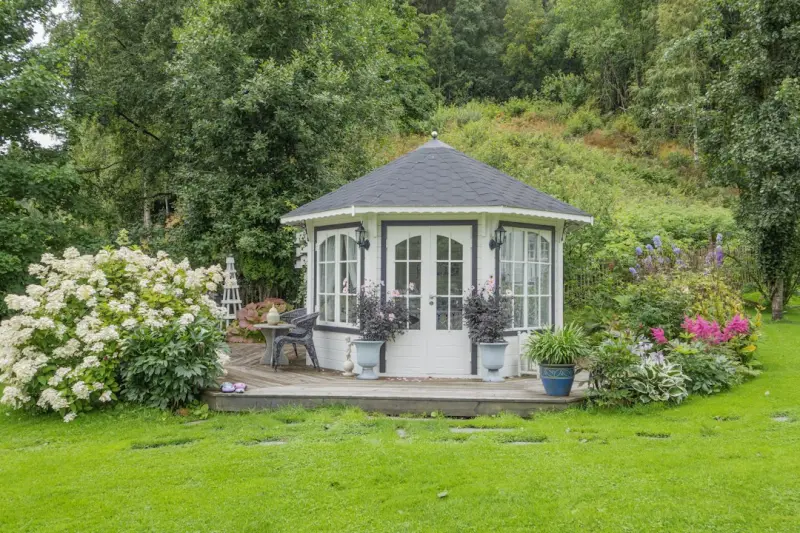
Why Your Shed or Gazebo Deserves a Second Life as a Creative Sanctuary
When most people think about sheds and gazebos, the image that pops up is a simple storage box or a weekend‑ready pergola for BBQs. I, Rose DesRochers, have spent the last decade turning these modest structures into thriving hubs of inspiration, productivity, and personal wellbeing. In a world that prizes flexibility, the humble out‑building is an untapped resource that can support remote work, artistic pursuits, mindfulness rituals, and even low‑impact experiments in sustainability.
The Power of Scale: Small Spaces, Big Impact
There’s a subtle psychology at play when you shrink your environment. A compact footprint forces you to be intentional about every object that enters the room. That intentionality fuels focus—a lesson I first learned while converting a weather‑worn shed into a micro‑studio for my watercolor practice. By stripping away excess, the space became a canvas for clarity rather than clutter.
In practice, this means:
- Purpose‑first design: Decide whether the structure will be a work nook, a meditation alcove, or a hybrid. The function guides every subsequent decision, from lighting to flooring.
- Modular furniture: Fold‑away desks, stackable storage, and convertible benches let you reconfigure the interior on a whim.
- Built‑in nature: Adding a single planter or a small trellis can dramatically improve air quality and mood without sacrificing square footage.
From Storage Closet to Remote‑Work Oasis
Remote work has become a permanent fixture for many professionals, yet not everyone has the luxury of a dedicated home office. A shed or gazebo can be the answer—provided it’s equipped with the right blend of comfort and technology.
Here’s a step‑by‑step roadmap I follow with each new project:
- Insulation & Weatherproofing: A well‑insulated enclosure keeps temperatures stable year‑round, reducing reliance on portable heaters or fans. For a quick DIY fix, I often reference preventive maintenance tips that keep the envelope airtight.
- Power & Connectivity: Run a dedicated circuit from your main panel, install a surge‑protected outlet strip, and add a Wi‑Fi extender or Ethernet line. If you love the look of clean lines, conceal wiring within the rafters.
- Ergonomic Furniture: Choose a height‑adjustable desk and an ergonomic chair that can slide under the work surface when not in use. Add a small filing cabinet on wheels for easy re‑positioning.
- Acoustic Treatment: Soft panels, acoustic foam, or even thick curtains can tame echo, turning a hollow shed into a quiet focus zone.
- Biophilic Touches: A few low‑maintenance succulents, a hanging fern, or a small vertical garden bring the outdoors inside, boosting concentration and reducing stress.
Creative Playgrounds for Artists and Makers
For visual artists, crafters, and makers, a dedicated shed can be a sanctuary where the mess stays contained and the creative flow never stops. Here are some design hacks that have helped my own studio evolve:
- Roll‑Up Workstations: A wall‑mounted desk that folds away frees up floor space for larger projects like sculpture or large‑scale painting.
- Natural Light Optimization: Position the structure to capture morning sun, then install skylights or solar‑tube windows for consistent, diffused illumination. This approach mirrors principles from smart sunroom design, but on a smaller scale.
- Ventilation Strategies: A combination of operable windows and a low‑profile exhaust fan prevents humidity buildup, protecting both your artwork and your health.
- Tool Organization: Magnetic strips, pegboards, and clear bins keep tools visible and within arm’s reach, reducing the time spent hunting for a missing brush or screwdriver.
Wellness Retreats in the Backyard
Imagine stepping out of your front door, walking a short path through fragrant herbs, and arriving at a modest gazebo that smells of cedar and lavender. This is not a fantasy; it’s a practical, low‑cost alternative to a spa day, and it can be assembled over a weekend.
Key elements for a wellness‑focused gazebo include:
- Comfortable Seating: A low, cushioned bench with waterproof fabric encourages extended lounging.
- Ambient Lighting: Solar‑powered lanterns or LED strips set on a timer create a soothing glow after dusk.
- Soundscape: A small waterproof speaker can play nature sounds or gentle music, turning the space into a personal sound bath.
- Air Purifying Plants: Snake plants, peace lilies, and aloe vera not only look good but also improve indoor air quality.
By treating your gazebo as a seasonal sanctuary—adding warm throws in winter, mosquito‑netting in summer—you create a space that evolves with the calendar, encouraging mindfulness throughout the year.
Sustainability: Turning the Shed into a Mini‑Energy Hub
One of my favorite projects involved retrofitting an old wooden shed with a tiny solar array and a battery bank, turning it into a self‑sufficient work pod. The setup is modest: a 150‑watt solar panel mounted on the roof, a compact lithium‑ion battery, and a small inverter to power a laptop, LED lighting, and a portable heater.
Benefits of this micro‑grid approach include:
- Reduced Grid Dependence: You can operate the shed even during power outages, an advantage that aligns with broader resilience trends.
- Lower Carbon Footprint: Generating power on site cuts emissions associated with commuting to a traditional office.
- Scalable Design: As your energy needs grow—perhaps you add a small greenhouse or a water‑filtration system—you can expand the solar array without overhauling the entire setup.
For those who prefer a less technical route, installing a rainwater collection barrel beneath the roof can provide water for plants, cleaning, or even a low‑flow faucet for handwashing.
Safety First: Building a Shed That Lasts
Before you dive into any transformation, a quick safety audit can save you headaches later. Here’s my checklist:
- Foundation Integrity: Ensure the base is level and anchored—concrete piers, deck blocks, or a compacted gravel pad work well.
- Structural Soundness: Inspect joists, rafters, and siding for rot, rust, or insect damage. Replace compromised components before adding weight.
- Fire Safety: Keep a small fire extinguisher inside, especially if you’ll be using power tools or a space heater.
- Electrical Compliance: Use a licensed electrician for any hard‑wired connections. If you opt for a plug‑in solution, make sure cords are rated for outdoor use.
- Ventilation Checks: Verify that any combustion appliances (e.g., a small propane heater) have proper venting to avoid carbon monoxide buildup.
Personal Stories: How My Sheds Evolved Over Time
My first shed was a plain metal box where I stored gardening tools. It felt like an afterthought—until I painted it a soft sage green, added a reclaimed wood bench, and turned it into a quiet reading nook. That little change sparked a cascade of ideas.
Two years later, I built a larger timber gazebo near the vegetable garden. Initially, it was just a place to eat al fresco. After installing a simple pergola‑style canopy with retractable curtains, it morphed into a weekend art studio where I could paint the sunrise without the glare of indoor lighting.
These experiences taught me that the most rewarding upgrades aren’t always about size or cost; they’re about aligning the space with the rhythm of your life.
Putting It All Together: A Blueprint for Your Own Shed Transformation
Ready to start? Follow this simple framework, and you’ll have a functional, beautiful, and purposeful out‑building in no time.
- Define Your “Why”: Write a single sentence that captures the core purpose—e.g., “A quiet place to brainstorm new product ideas.”
- Assess the Existing Structure: Take photos, measure dimensions, and note any damage.
- Plan the Layout: Sketch a floor plan on graph paper or a digital tool, marking zones for work, storage, and relaxation.
- Choose Materials That Match Your Vision: Reclaimed wood for warmth, metal for industrial chic, or composite panels for low maintenance.
- Implement Core Systems: Insulation, electricity, ventilation, and lighting—address these first to avoid retrofitting later.
- Add Personal Touches: Artwork, custom shelving, or a signature color palette that reflects your brand or personality.
- Test & Tweak: Spend a week using the space. Note what works and what doesn’t, then make incremental improvements.
Remember, a shed or gazebo is a living project; it evolves as your needs shift. By approaching it with intention, you’ll create a space that not only serves a function but also fuels creativity and wellbeing.
Final Thoughts: The Unseen Value of Backyard Micro‑Spaces
In the rush to adopt the latest tech or redesign entire rooms, we often overlook the quiet potential of our own backyards. A well‑designed shed or gazebo can become a personal laboratory for sustainable living, a refuge for mental health, or a compact hub for freelance work. By treating these structures as extensions of our lifestyle rather than afterthoughts, we unlock a world of possibilities that are both affordable and deeply rewarding.

When it comes to the world of blogging and writing, Rose DesRochers is a name that stands out. Her passion for creating quality content and connecting with her audience has made her a trusted voice in the industry. Aside from her skills as a writer and blogger, Rose is also known for her compassionate nature.
Related Posts

Creating Eco-Friendly Outdoor Spaces: Sustainable Sheds and Gazebos
Learn how to create eco-friendly outdoor spaces with sustainable sheds and gazebos, reducing your en... Read More
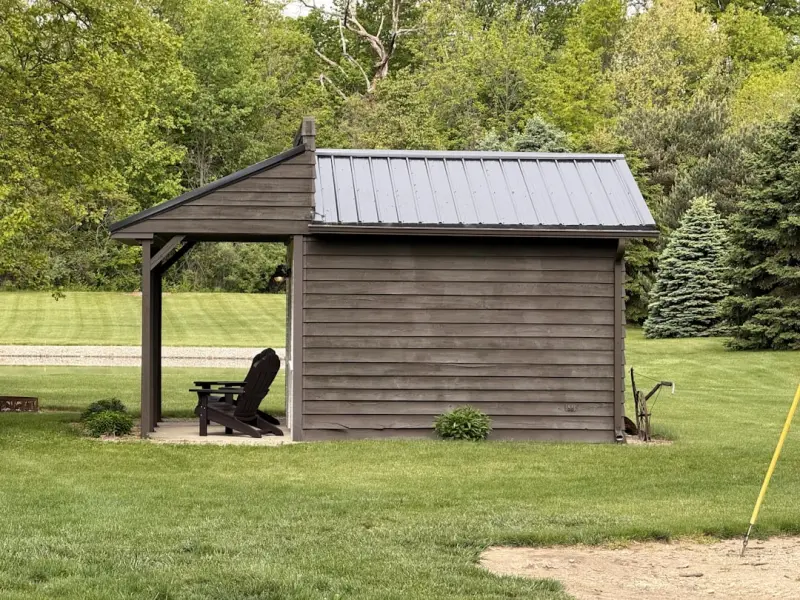
From Storage to Sanctuary: Rethinking Sheds and Gazebos for Modern Life
Sheds and gazebos are evolving from storage closets to year‑round multifunctional spaces. Learn ho... Read More

Backyard Structures: Turning Sheds & Gazebos Into Profitable Mini‑Enterprises
Explore a fresh business model that repurposes garden sheds and gazebos into pop‑up shops, craft w... Read More
Top Posts

Everyday Tools That Turn Small Repairs into Big Savings
Learn how a well‑stocked toolbox, smart diagnosis, and easy repair tricks can turn everyday home issues into cost‑saving victories....Read More

When Drywall Meets Design: Turning Walls into Smart, Sustainable Spaces
Discover the transformative potential of today’s drywall—from recycled gypsum and acoustic upgrades to embedded sensors and radiant heating—offering a sma...Read More
Weather‑Smart Home Envelopes: A Proactive Playbook for Climate Resilience
A comprehensive guide to turning your home's envelope into a dynamic, sensor‑driven system that adapts to weather, saves energy, and boosts community resilien...Read More
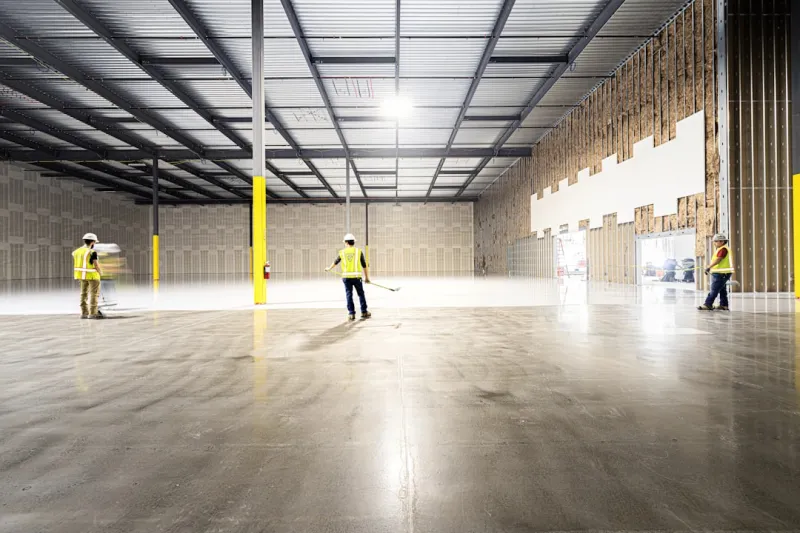
The Evolution of Flooring: How Sustainable Solutions Are Revolutionizing the Industry
The flooring industry is undergoing a significant transformation, with sustainable solutions leading the way. Learn about the evolution of flooring and eco-frie...Read More
0 Comments
Post Comment
You will need to Login or Register to comment on this post!